


Articles
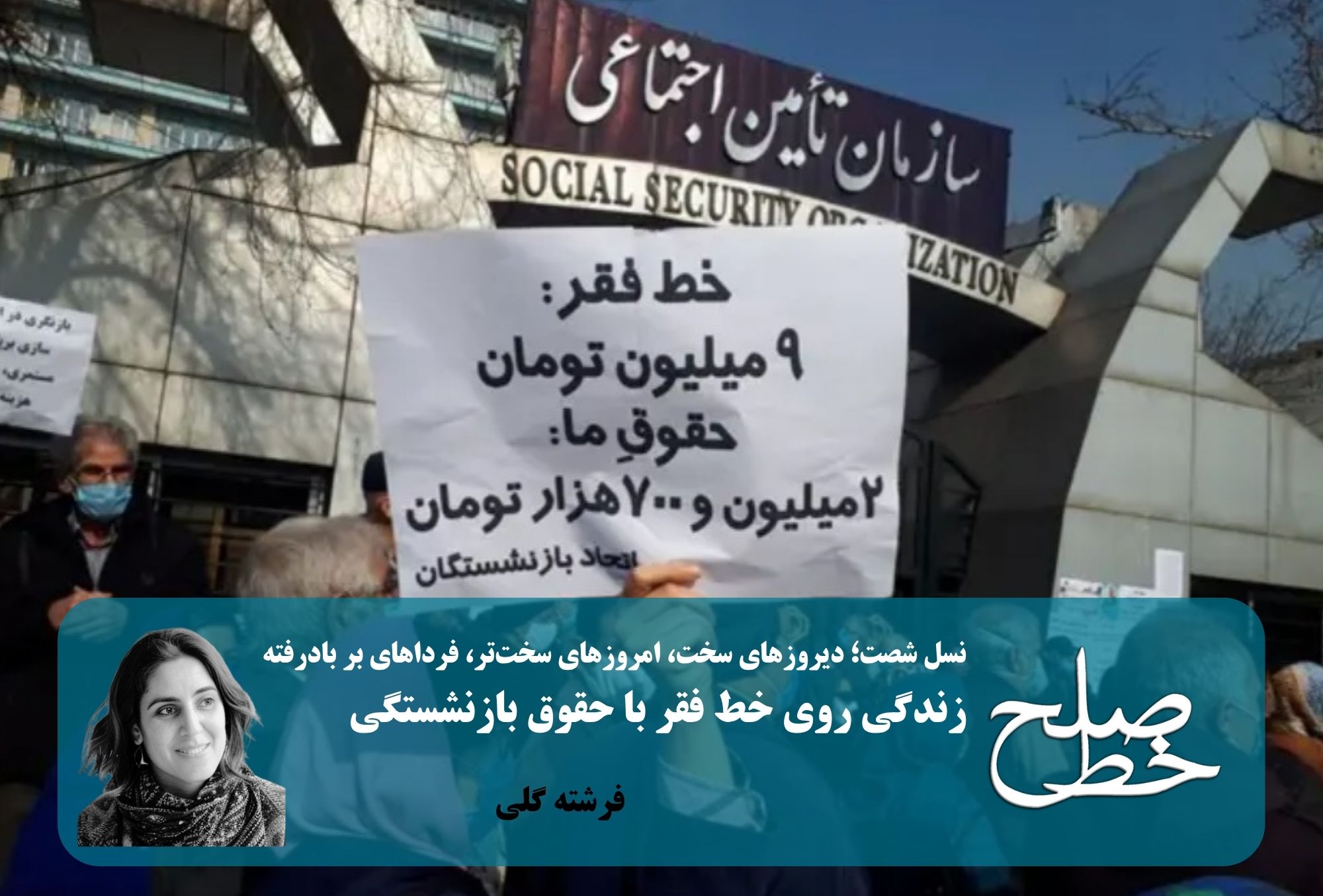
Generation of the 1980s: Hard Yesterdays, Harder Todays, Vanished Tomorrows/ Fereshteh Goli
In Iran, pension funds are financial-social institutions established to provide for individuals during old age and retirement. Their mechanisms rely on collecting insurance premiums from the workforce (employees and employers) and investing these funds, so that monthly pensions and other legal benefits can be paid to retirees. In essence, these institutions operate based on an […]...
Read More Created By: Fereshteh Goli
 October 23, 2025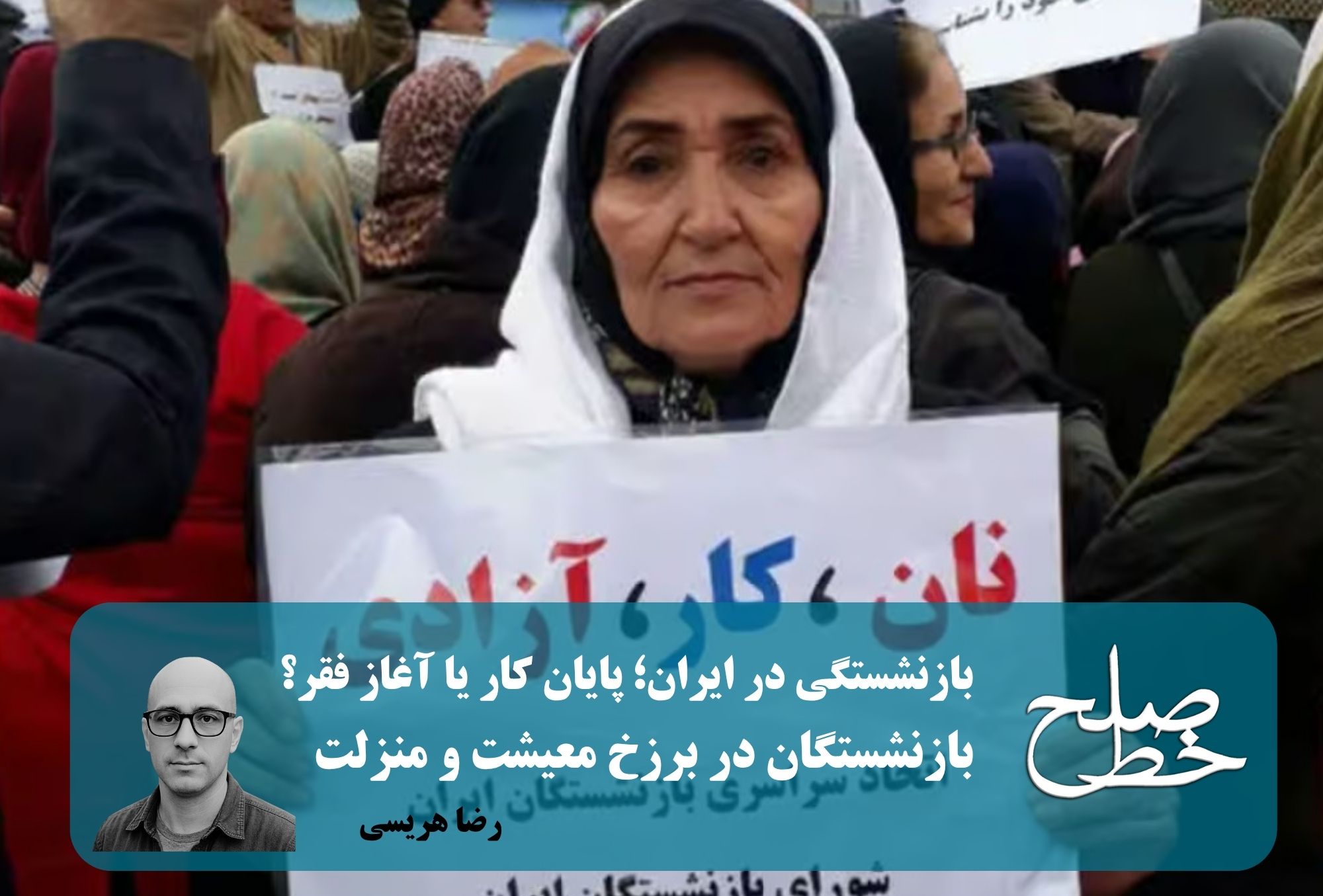
Retirement in Iran: End of Work or Onset of Poverty?/ Reza Herisi
In the lexicon of nations, retirement is synonymous with honor, comfort, and reaping the fruits of a lifetime of labor. It is not the end, but the beginning of a new chapter in life—a time when the retiree, free from the daily grind, devotes themselves to family, self, and personal interests. This concept represents an […]...
Read More
Created By: Reza Harisi October 23, 2025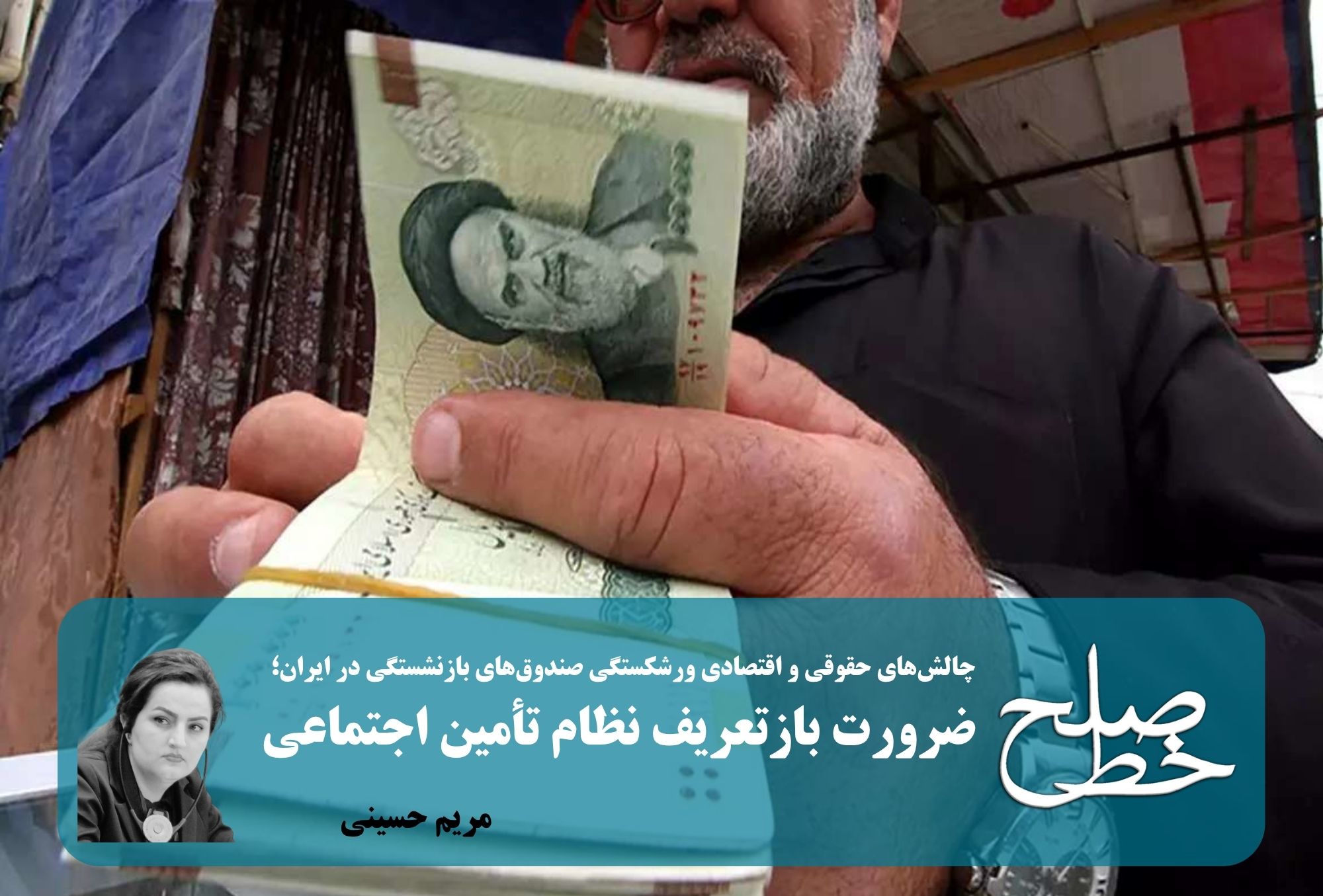
Legal and Economic Challenges of Pension Fund Bankruptcy in Iran/ Maryam Hosseini
Pension funds are the cornerstone of economic security and social justice in any country. These institutions, by collecting insurance premiums from workers and employers, allow retirees to enjoy a dignified life after the end of their working period. In Iran, multiple pension funds, including the Civil Servants Pension Fund, the Military Pension Fund, and the […]...
Read More
Created By: مریم حسینی October 23, 2025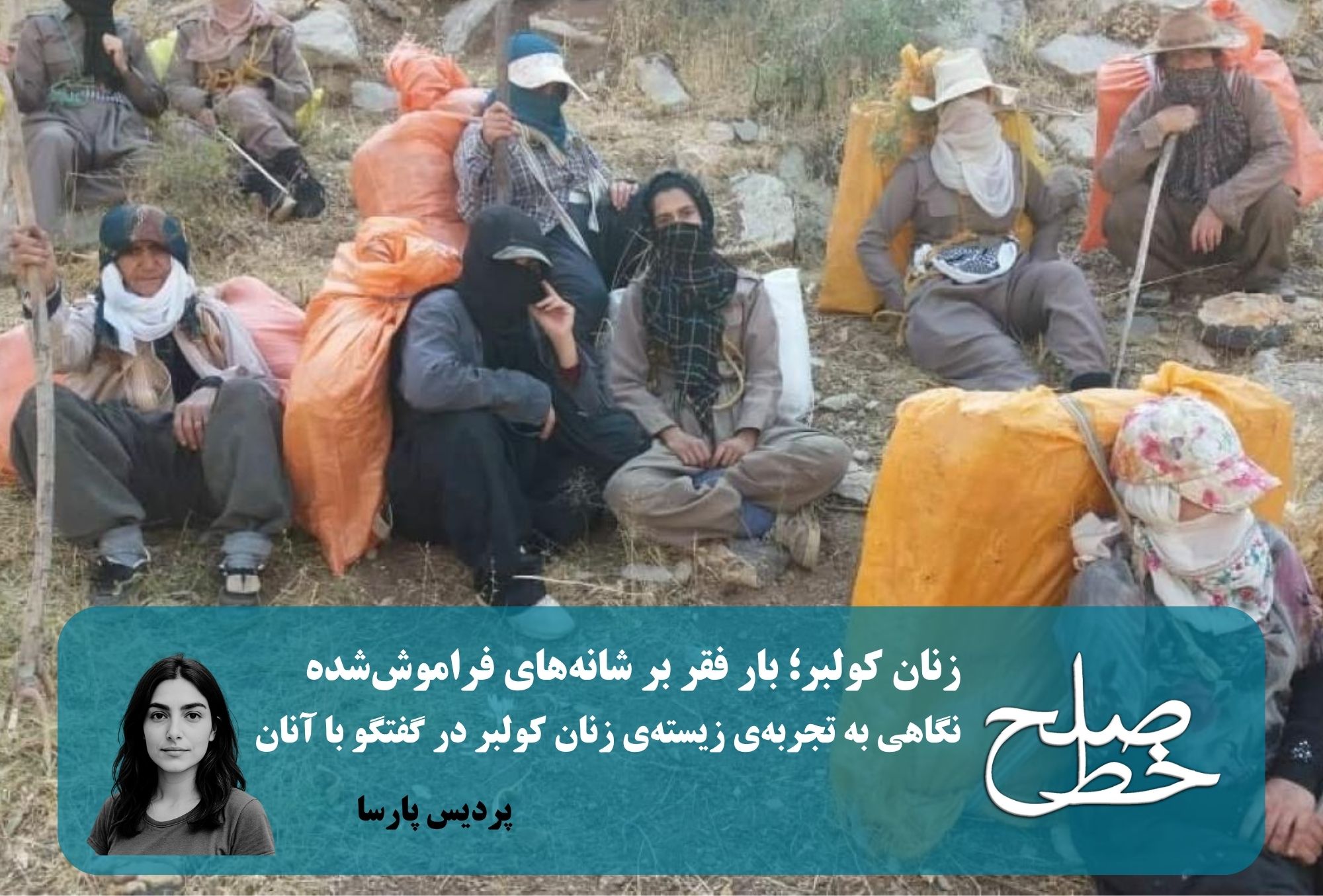
Women Kolbars: The Burden of Poverty on Forgotten Shoulders/ Pardis Parsa
Kolbari, a practice most common in the provinces of Kurdistan, Kermanshah, and West Azerbaijan, is a phenomenon tightly intertwined with structural poverty, underdevelopment, and centralized governance policies. The state, through continuous underdevelopment of non-Shia and non-Persian regions, has exacerbated this issue—particularly in the Kurdish border areas. Years of neglect, historical insecurity, and a securitized view […]...
Read More
Created By: Pardis Parsa October 23, 2025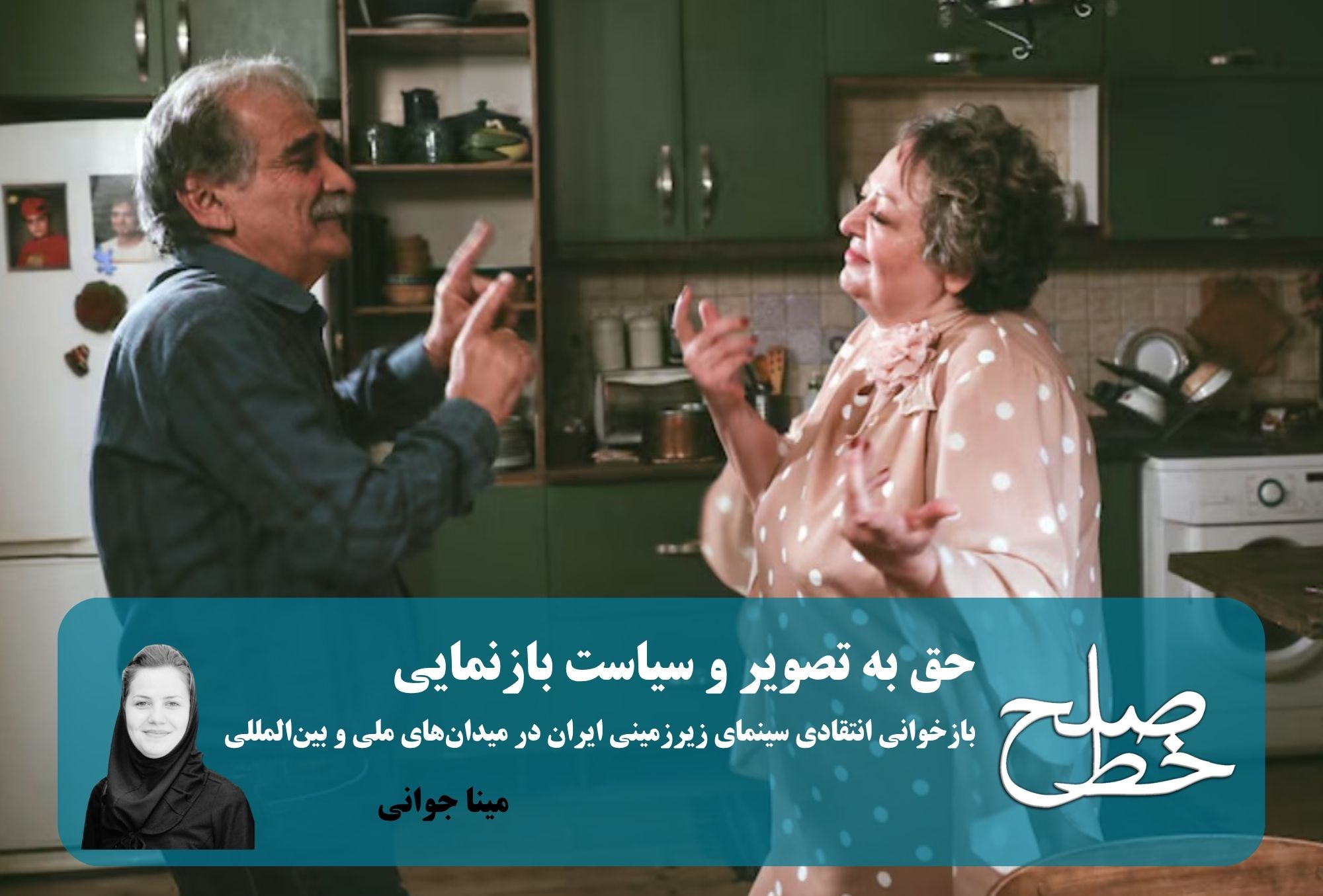
The Right to Image and the Politics of Representation/ Mina Javani
Iran’s underground cinema, as a semi-independent and often marginal sector of the country’s film production, has consistently navigated the intersection of legal restrictions, cultural pressures, and media representations. These films, produced outside the official mechanisms of Iranian cinema, not only provide a platform for expressing real social and ecological experiences, but also serve as vehicles […]...
Read More
Created By: Mina Javani October 23, 2025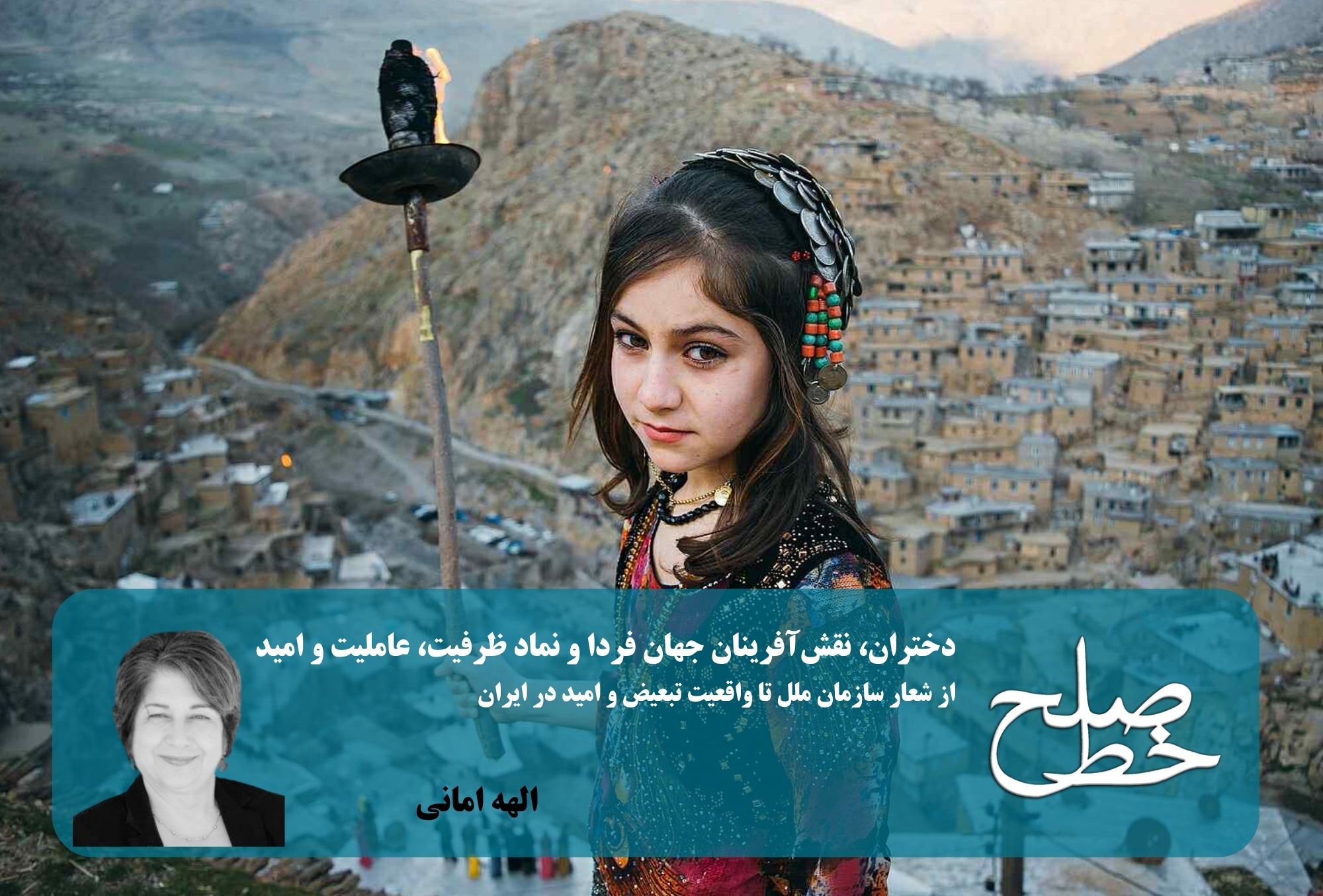
Girls: Architects of Tomorrow and Symbols of Capacity, Agency, and Hope/ Elahe Amani
In today’s world, girls are no longer mere observers of change; they are themselves the driving force behind transformation. By standing against discrimination, with an informed mind and active presence in society, they are redefining the path to the future. From classrooms to social movements, from scientific innovations to civic engagement, girls are symbols of […]...
Read More
Created By: Elahe Amani October 23, 2025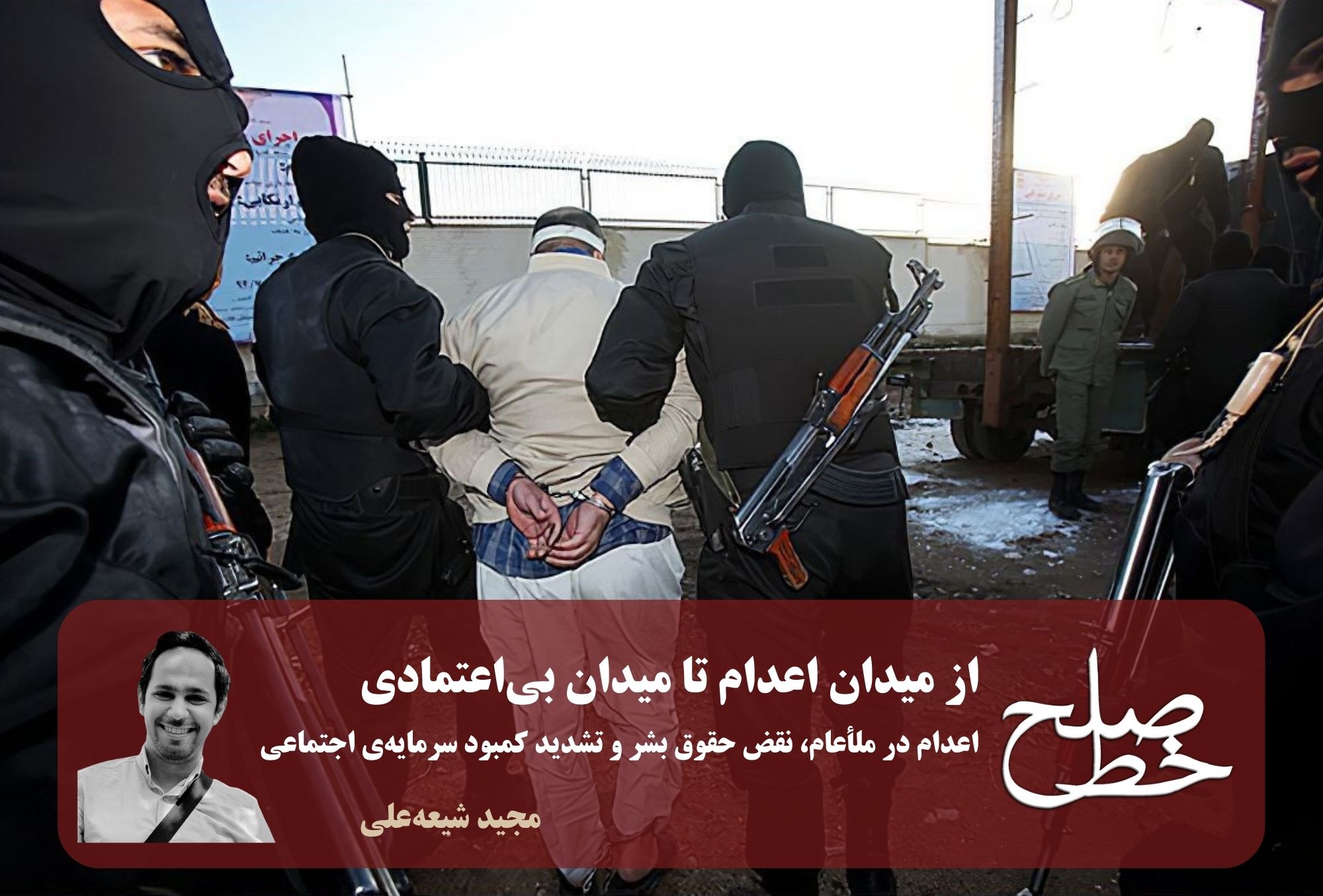
From Execution Square to the Square of Distrust/ Majid Shia’Ali
After several decades of failure in economic development, democratization, and the strengthening of human rights observance, our society is now looking back at its previous experiences. Our society sees that despite experimenting with various revolutionary and reformist strategies, from parliamentary methods to violent confrontations, and experiencing multiple revolutions and social movements, it has still not […]...
Read More
Created By: Majid Shia’ali September 23, 2025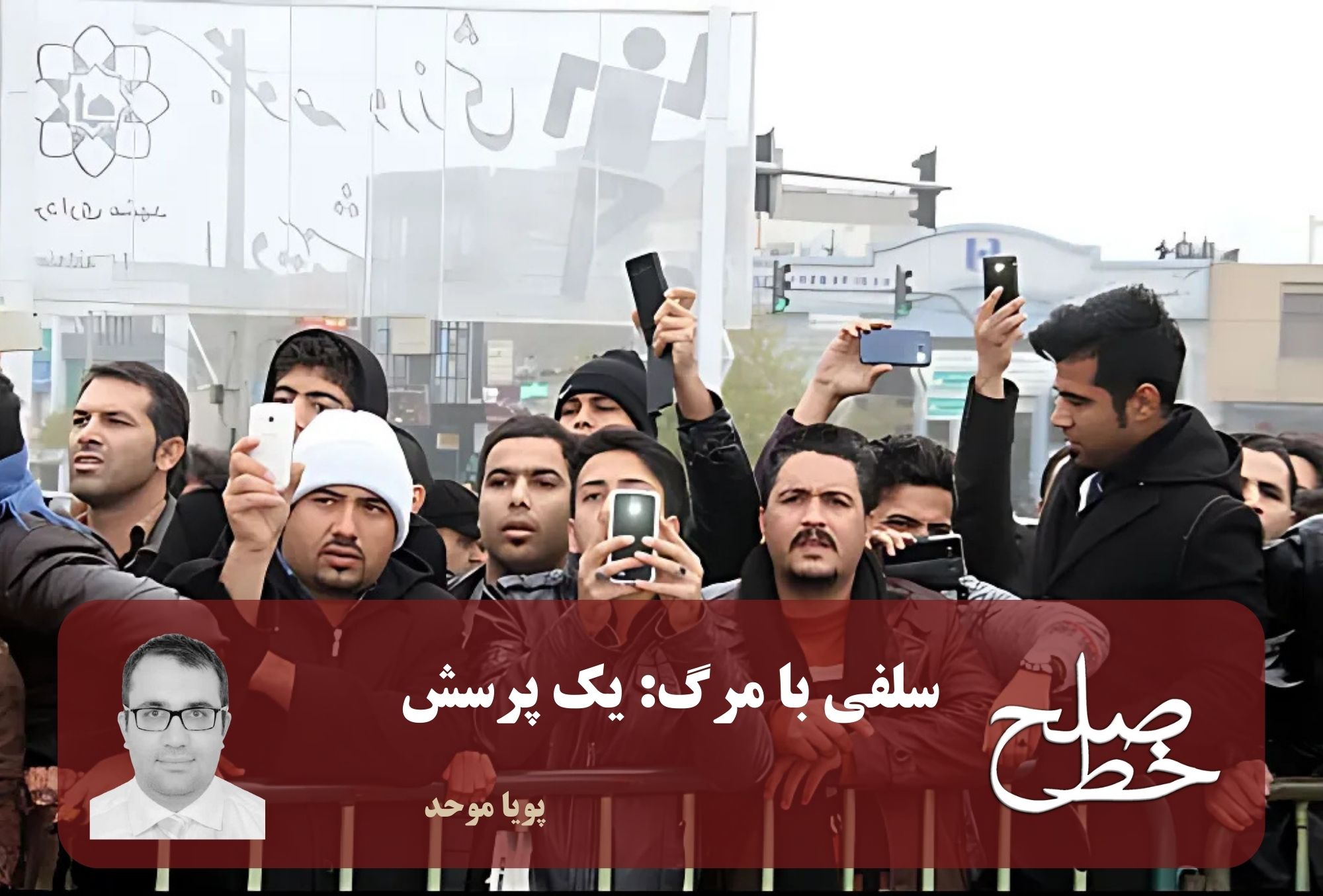
Selfie with Death: A Question/ Pooya Moheb
On a cold morning, the city square is filled with people. A large crane stands in the middle of the square. The rope hanging from the crane sways in the wind. Everyone is in a hurry to find a good spot to watch. A mother gives her child a chocolate to calm them down. Above, […]...
Read More
Created By: Pouya Movahed September 23, 2025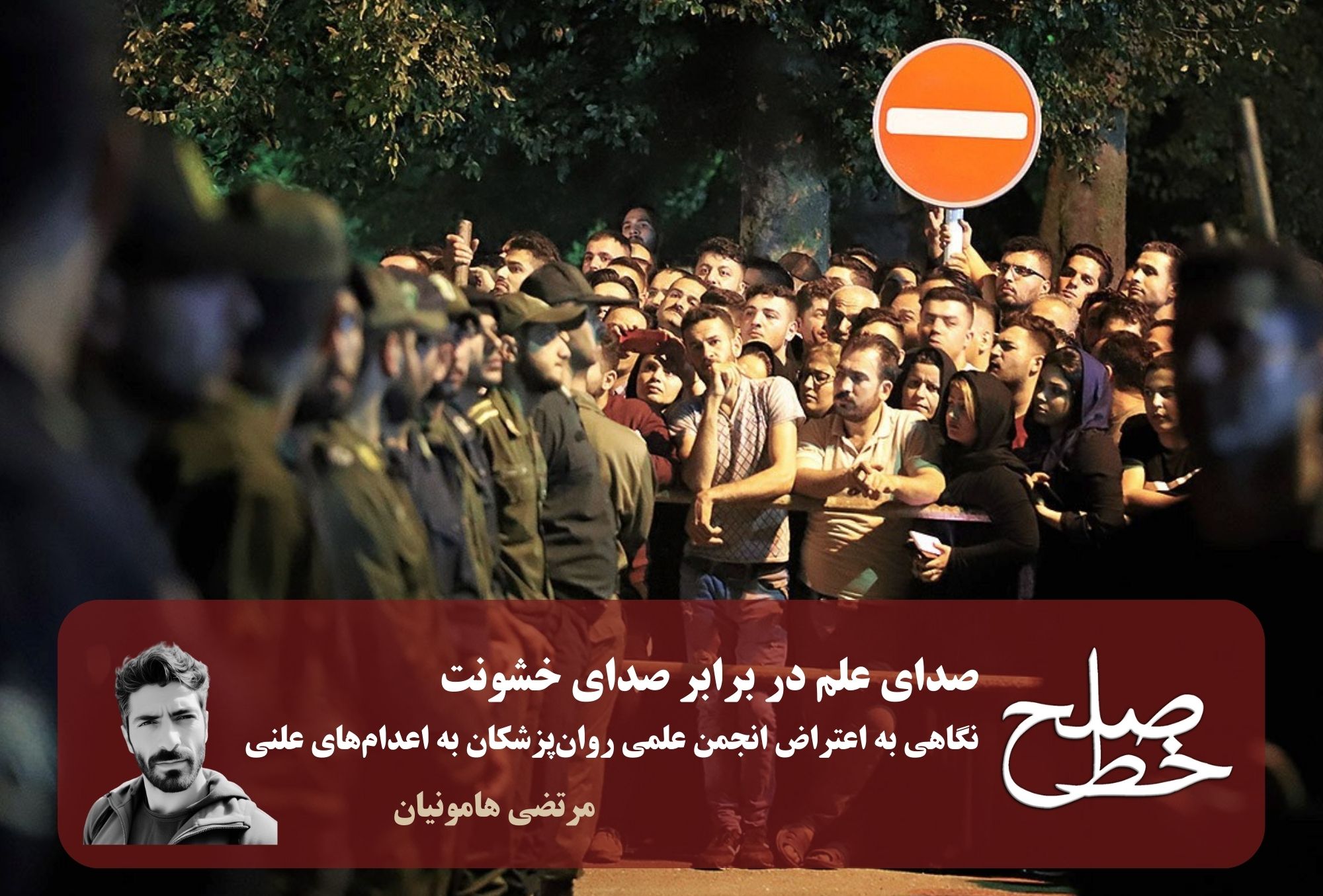
The Voice of Science Against the Voice of Violence/ Morteza Hamounian
The issue of capital punishment has always been a highly contentious matter in Iran. This punishment has been enforced by governments both before and after the February 1979 Revolution, and has consistently been the subject of criticism. At its core, the death penalty is a form of state-sanctioned killing—an act of violence inflicted upon the […]...
Read More
Created By: Morteza Hamounian September 23, 2025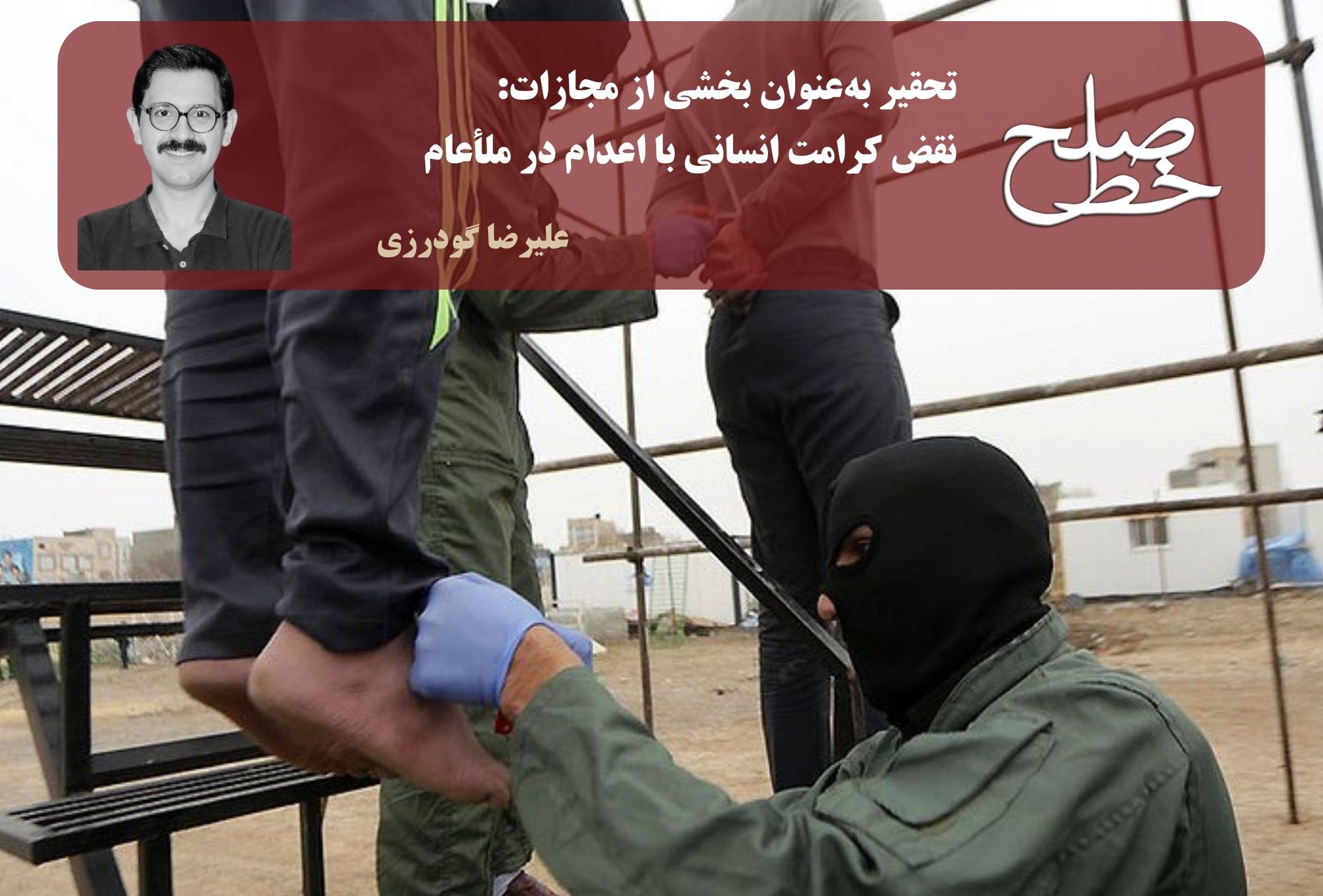
Humiliation as Part of Punishment: The Violation of Human Dignity Through Public Executions/ Alireza Goodarzi
Let us begin by distinguishing between a criminal, a suspect, and anyone else outside these categories. A person living in society may come under legal suspicion of having committed a crime. From that moment on, this individual is referred to as a “suspect.” Once the accusation is proven in a competent court, with all legal […]...
Read More
Created By: Alireza Goodarzi September 23, 2025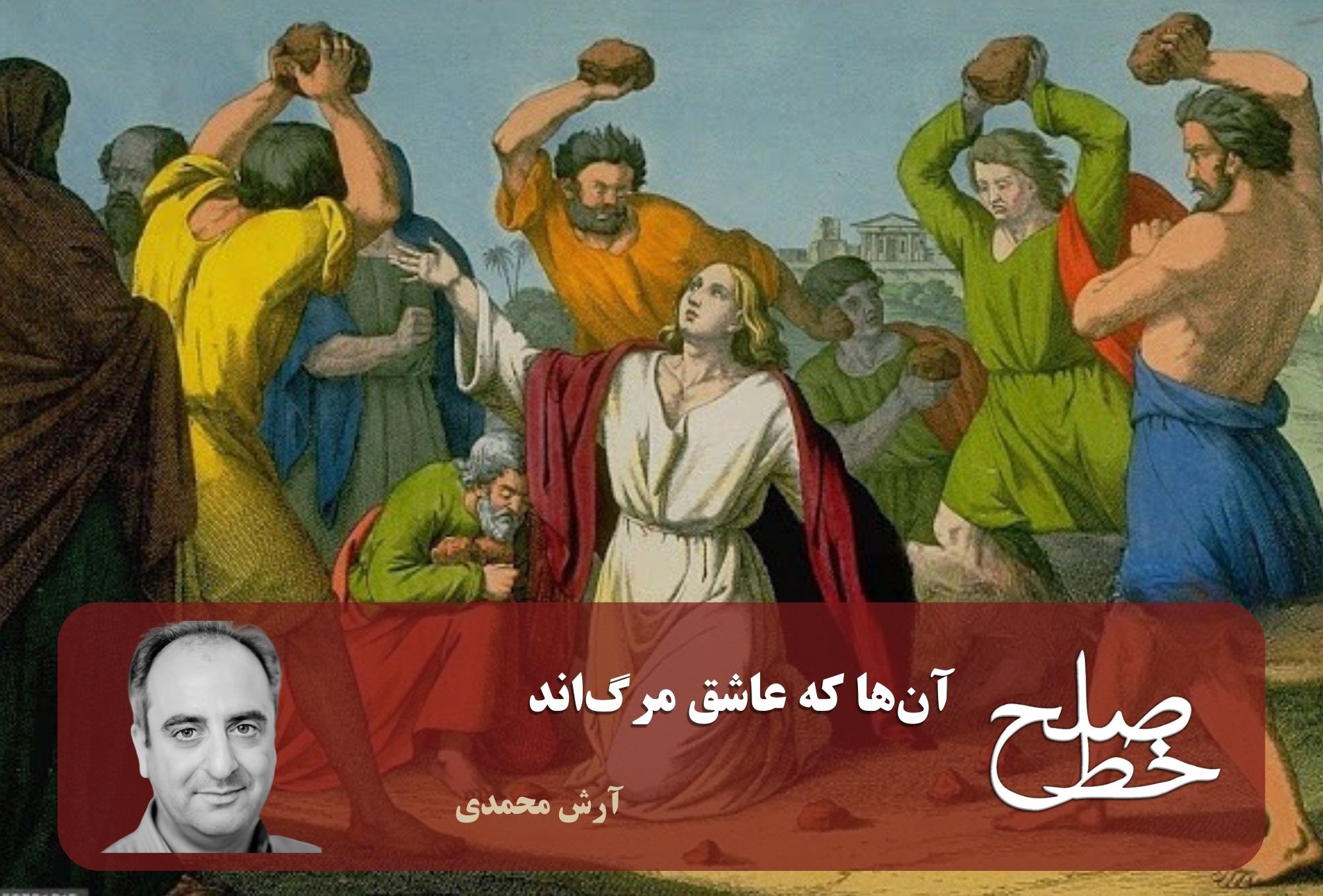
Those Who Love Death/ Arash Mohammadi
I.I was a child—perhaps ten years old. I can’t recall my exact age, but I vividly remember walking past the Baqi Cemetery when I heard a scream. A man and a woman were about to be stoned to death. Out of curiosity, I stopped to watch. The problem was that although a large crowd had […]...
Read More
Created By: Arash Mohammadi September 23, 2025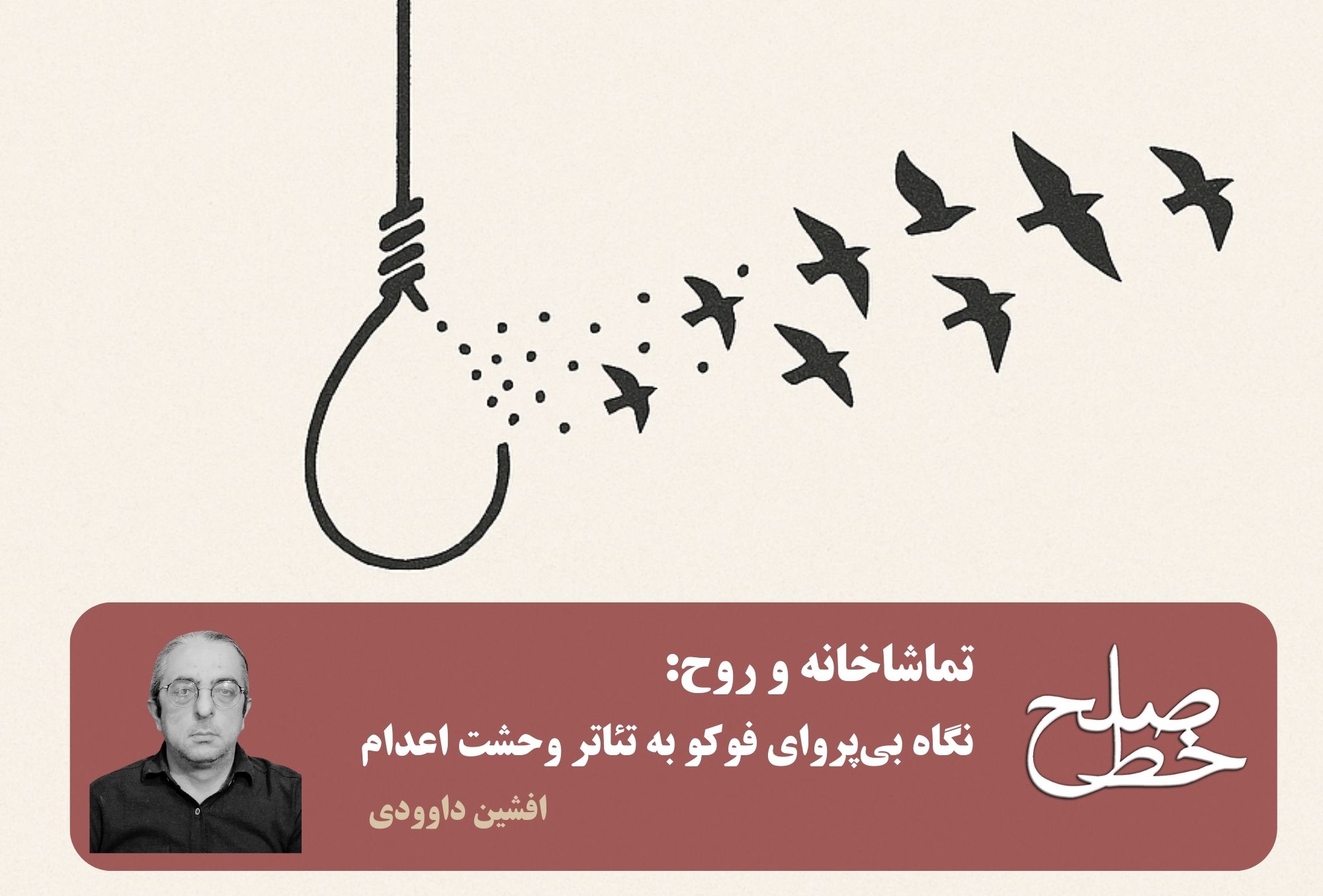
The Theater and the Soul: Foucault’s Unflinching Gaze at the Spectacle of Execution/ Afshin Davoudi
Speaking of public executions evokes a primal image: a crowd gathered in a square, a platform bathed in sunlight or shadow, and the haunting silhouette of the condemned. A scene that feels both ancient and profoundly disturbing. Most modern objections to this practice are based on human rights principles, empathy, and a deep revulsion triggered […]...
Read More
Created By: Afshin Davoudi September 23, 2025
