


هاییBook Introduction: Tragedy of Solitude
Violence against women has been widespread throughout human history. Violence and aggression against women knows no boundaries of class, race, nationality, religion, ideological beliefs, or age. This phenomenon is fundamentally global and takes on various forms.
Although violence against women is a global phenomenon, some of its forms vary depending on the political, social, cultural, and religious characteristics of each place. Unlike some forms of violence against women, such as domestic violence, which can be said to be widespread, pervasive, and similar in all parts of the world, some forms of violence are specific to certain regions. Sati tradition in India, binding the feet of Chinese girls in childhood, and female genital mutilation are examples of this.
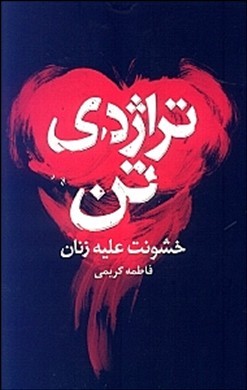
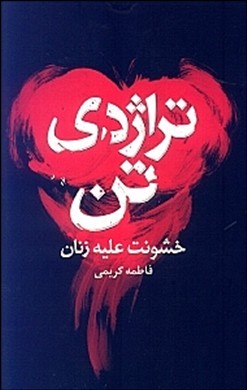
In the book “Tragedy of the Body”, written by Fatemeh Karimi and published by Roshangaran and Women’s Studies Publications, in the summer of 1389 and in pocket size, female genital mutilation, which is one of the specific regional violence, has been examined.
In the introduction of the main topic of the book, which covers one of the most terrible forms of violence against women in Iran, the Middle East, and certain regions of Africa and Asia, the author emphasizes that: In this book, we aim to examine the practice of female genital mutilation, which is a specific form of regional violence. Although this issue has been raised nationally and internationally for over two decades and many studies have been conducted, there has not been a thorough and enlightening study on this heinous act.
The tragedy of the body has been written in five seasons. The first season, titled “Violence Due to Gender,” introduces the concept of female circumcision, examines its prevalence, and presents its various types.
In the second chapter, titled “International Actions”, conventions, seminars, and conferences formed with the aim of combating female genital mutilation are introduced, as well as those that have included the issue alongside other topics on their agenda. The practical results of their actions are briefly described. Additionally, in this chapter, the author introduces countries where this practice is prevalent and provides information on the characteristics of female genital mutilation in each of these countries.
The third chapter examines the position of circumcision and the practice of female genital mutilation among different religions, especially Judaism, Christianity, and some sects of Sunni Islam.
In the fourth chapter, which discusses theoretical topics, the author presents a summary of the theories of several philosophers, including Lacanian psychoanalysis, Sisko’s theories, Irigaray, Kristeva, and also Foucault’s theories on power.
“Research Methodology” is the name of the last chapter of this book, which is dedicated to describing the research methods used by researchers in collecting information and presenting research results, and also includes solutions. In this chapter, the author has conducted interviews with forty women from the city of Paveh. These women are between the ages of 16 and 65 and have a range of education levels, from illiterate to master’s degree.
Book Name: The Tragedy of the Body/ Violence Against Women
Author: Fatemeh Karimi
Publisher: Roshangaran Publications and Women’s Studies
Print date: First 1389
 Created By: Admin
 December 25, 2013
Tags
Magazine number 32