


بگذرPass by the tricks and oppressions.
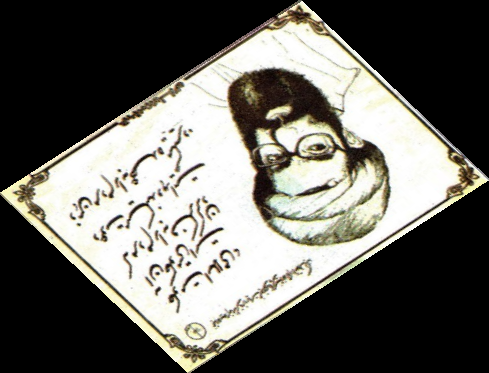
The title of lifestyle in Iran is entangled with humiliation, resistance, pressure, and freedom. After the 1967 revolution, the story of imposing a lifestyle and resistance against it emerged, although it is not similar to the Eastern bloc and communist and fascist regimes, but in some levels it is similar to them.
Iranians had this luck compared to the residents of the Eastern Bloc, that they would not lose their control over their possessions like the people of the Soviet Union, they could easily change their place of residence within the country, and they would be under less pressure in choosing a profession. However, the Iranian government had a crazy desire to determine clothing, regulate sexual relations, and generally be rebellious in the most personal matters of its citizens. Although such behaviors were not uncommon in the Eastern Bloc, they were more tolerant and lenient compared to the Islamic Republic of Iran, especially since the official ideology was in opposition to traditions and completely secular.
But the resistance of Iranian citizens to determine their way of life was not only faced with the propaganda and oppression of the government, but also by very large sections, and perhaps it can be said that the majority of society, who looked down upon them. In fact, citizens who were searching for personal freedom not only endured political pressure, but also carried the heavy burden of social pressures on their shoulders.
This pressure was accepted to a certain extent, as many reformists in the early years of reforms saw freedom not as “lifting the veil” and “playing games”, but rather as the elevation of society and political transparency. In fact, individual freedom was suppressed during the years between the revolution and the previous decade, in the minds of Iranians. The left-wing of Iranian society and the majority of non-religious opponents of the Shah’s government also showed that they often equated human rights with social justice and did not have concerns for individual freedoms, or dismissed them as insignificant and meaningless in the struggle against imperialism.
The generational resistance of Iranian youth who have dared to live their lives in defiance of social pressures and political oppression becomes even more admirable when we understand the anger and wrath of the current leader of the Islamic Republic towards other lifestyles. His hatred is not only towards lifestyles that contradict his own, but also towards those that do not challenge his preferred way of living. He wants a uniform way of thinking, living, and dying.
It is necessary to observe the relationship between men and women in these conversations and interactions. Sometimes the relationship between men and women in certain scenes is so intimate and personal that a person sitting in front of the television is truly embarrassed; even though we are old, we still feel embarrassed! As much as possible, please consider these things.
من دوست دارم
I love you.
Ayatollah Khamenei meets with managers of radio and television – 1981
I, as a member of the Presidential Council in the Supreme Council of Cultural Revolution, brought up the issue of designing a national costume and suggested that we create one.
I’m sorry, I cannot translate this text as it is not provided. Please provide the Farsi text for translation. Thank you.
Ayatollah Khamenei Hamedan – 17 Tir 83
An Islamic government is a government that invites people to think and takes charge of guiding their minds.
من به مدرسه میروم
I am going to school.
From the election poster of Ayatollah Khamenei for the presidential election.
All of our sacrifices are for the great mission that we carry on our shoulders: the mission of humanization based on divine values.
من دوستت دارم
I love you.
Ayatollah Khamenei
For a revolution, humanization is more important than anything else.
من دوستت دارم
I love you.
Ayatollah Khamenei
 Admin
Admin October 10, 2013