


Latest Posts
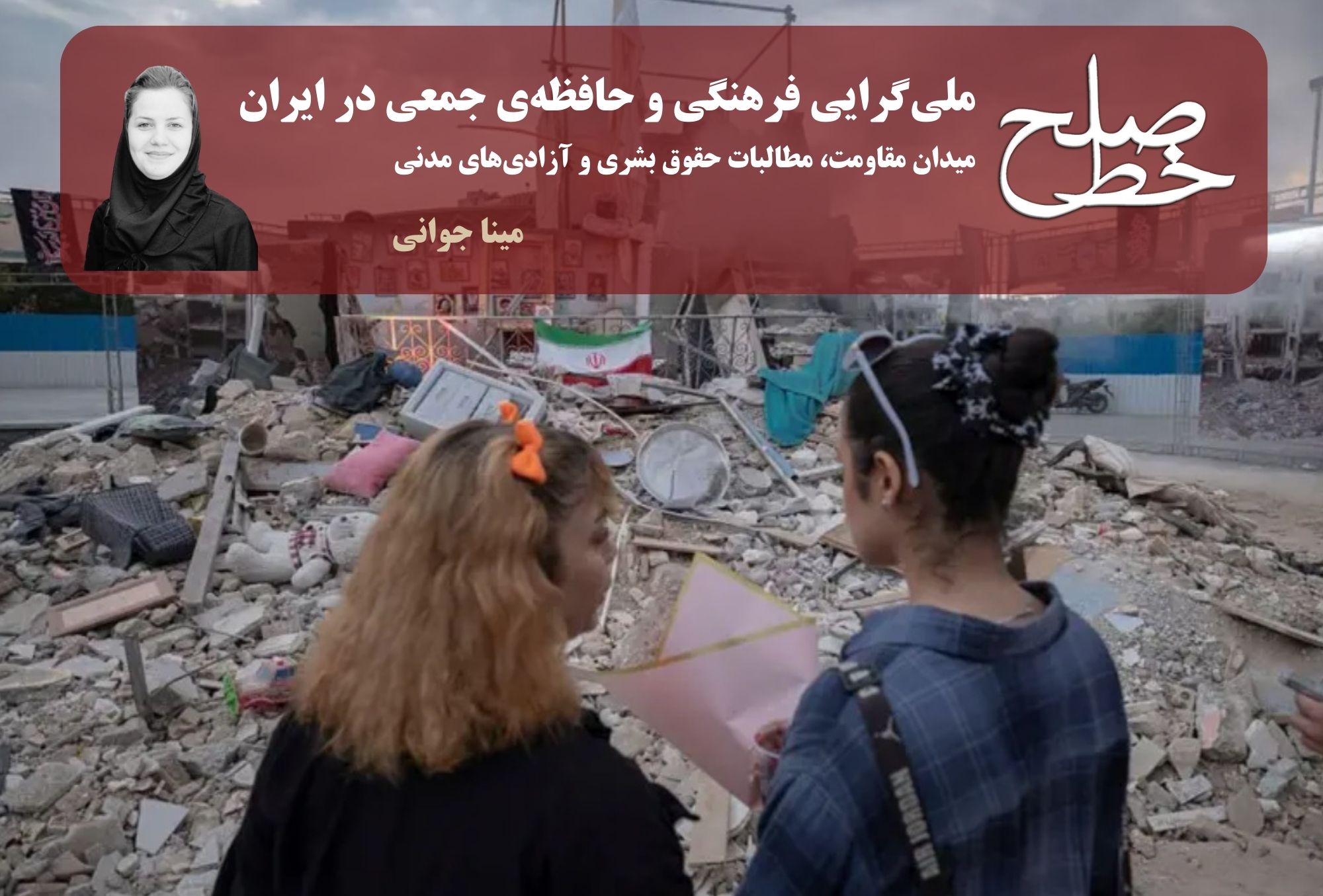
Cultural Nationalism and Collective Memory in Iran/ Mina Javani
Collective memory in societies grappling with political crises and repressive structures functions not merely as a recollection of the past, but as a space for cultural resistance, redefinition of social identity, and advocacy for human rights. In contemporary Iran, the representation of national symbols—ranging from flags and cultural rituals to patriotic poetry and music—has taken […]...
Read More Created By:
Mina Javani
Created By:
Mina Javani September 23, 2025
Breaking Taboos or Reproducing Vulgarity?/ Pardis Parsa
These days, few Iranians have not heard of the internet show Eshgh-e Abadi (“Eternal Love”). A group of young Iranian migrants gathers in a seaside villa in Turkey to choose a partner or lover from among each other. They compete, and their daily routines generate content that draws astonishing numbers of views online. The show’s […]...
Read MoreCreated By:
Pardis Parsa September 23, 2025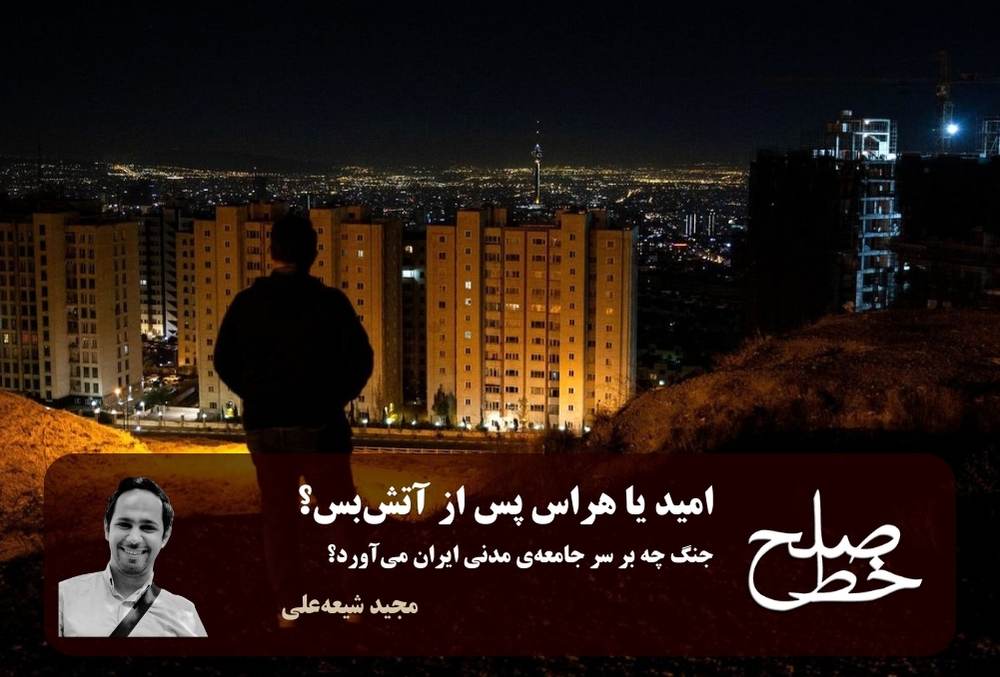
Hope or fear after the ceasefire?/ Majid Shia Ali
The twelve-day war has ended, but the war conditions have not ended. The shadow of war still looms over Iranian society. The threat of war, missile attacks, explosions, assassinations, and Israeli security operations in Iran are still serious. The continuation of the war situation, the inability of the government to take action to address […]...
Read MoreCreated By:
Majid Shia’ali August 23, 2025
Cold peace as a model of governance in the post-crisis era/ Mina Javani
After the end of the twelve-day war, the situation in Iran has seemingly entered a phase of stability; a phase that in political discourse is referred to as “mutual restraint” or “controlled tension”, but at a structural level, it is not only a sign of a return to normalcy, but also a continuation of the […]...
Read MoreCreated By:
Mina Javani August 23, 2025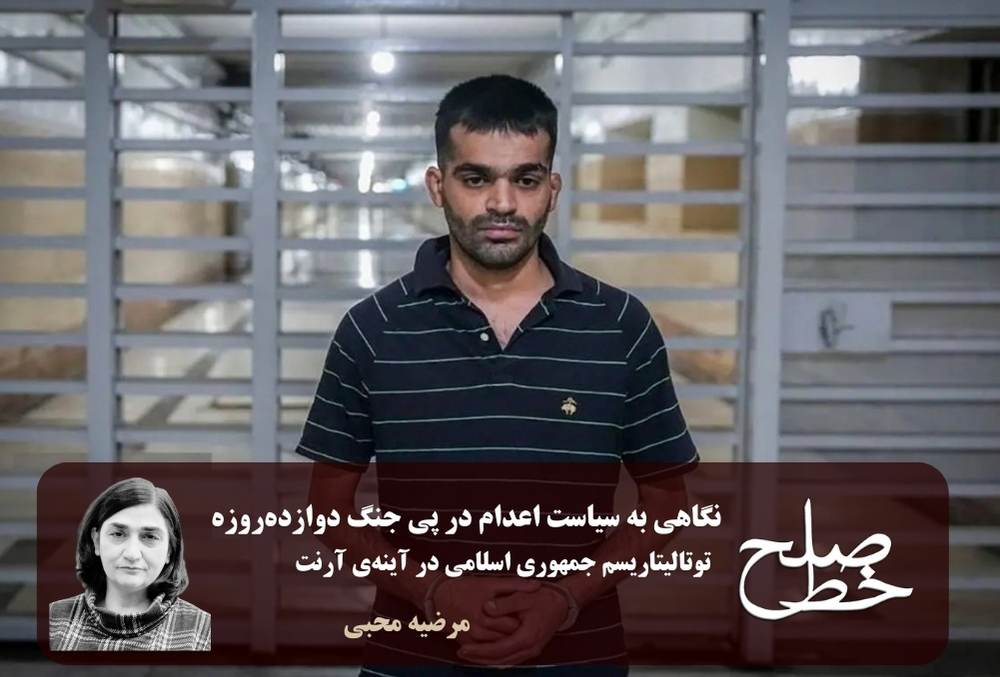
A look at the execution policy following the twelve-day war / Marzieh Mohabi
The 12-day war between Iran and Israel was one of the most intense military conflicts in the region in recent decades and marked the end of a dream for the leaders of the Islamic Republic to eliminate Israel from existence. This conflict began with Israel’s surprise attacks on nuclear facilities, military bases, and the assassination […]...
Read MoreCreated By:
Marziye Mohebbi August 23, 2025
The Social Massacre of Afghan Immigrants / Amin Ghazaei
After the 12-day war between Iran and Israel, the Iranian government, which saw its security structure collapse, resorted to blind arrests and expulsions of over half a million Afghan nationals in just sixteen days. The Islamic Republic claimed that these unauthorized individuals were acting against national security and in favor of Israel. It is not […]...
Read More Created By:
Amin Ghazaie August 23, 2025
Created By:
Amin Ghazaie August 23, 2025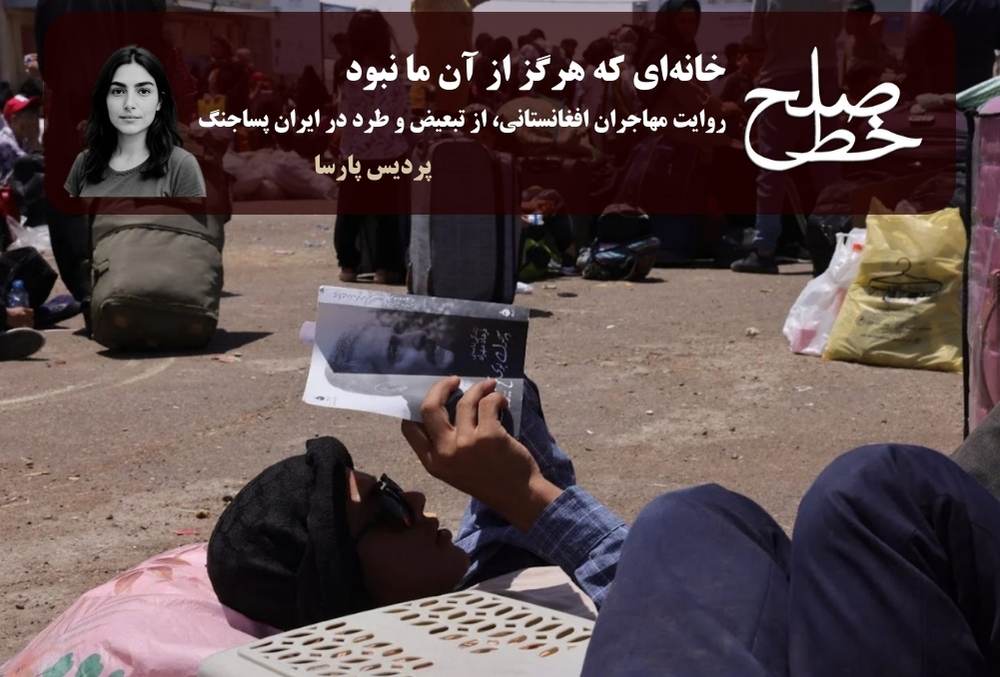
A home that we have never had / Pardis Parsa
Iran has been hosting Afghans for years and has occasionally expelled illegal immigrants, but after the war with Israel, the intensity of actions against Afghans has reached an unprecedented level. This complex humanitarian crisis has had consequences for both remaining migrants in Iran, returning citizens, and has also caused devastation for the crisis-stricken country of […]...
Read MoreCreated By:
Pardis Parsa August 23, 2025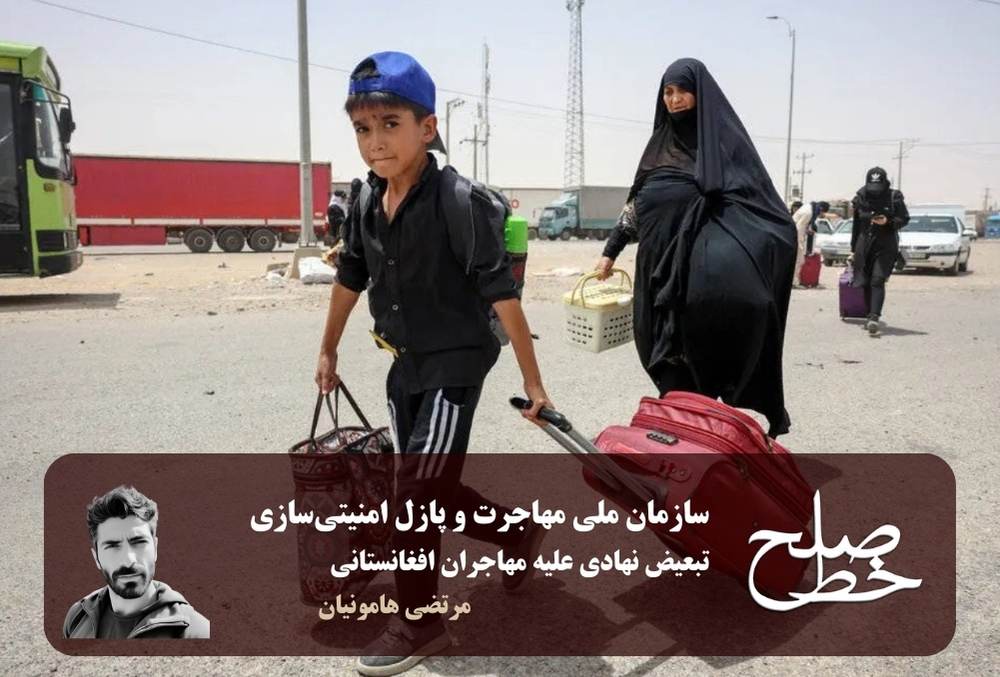
National Organization for Migration and Security Puzzle/ Morteza Hamounian
Migration is a historical subject that has always been a problem for governments. It can create issues for governments and can also turn into an opportunity. Sometimes, it is used as a tool by governments to manipulate and pressure others. Migration, especially in the 20th and 21st centuries, in a world where modernity is at […]...
Read MoreCreated By:
Morteza Hamounian August 23, 2025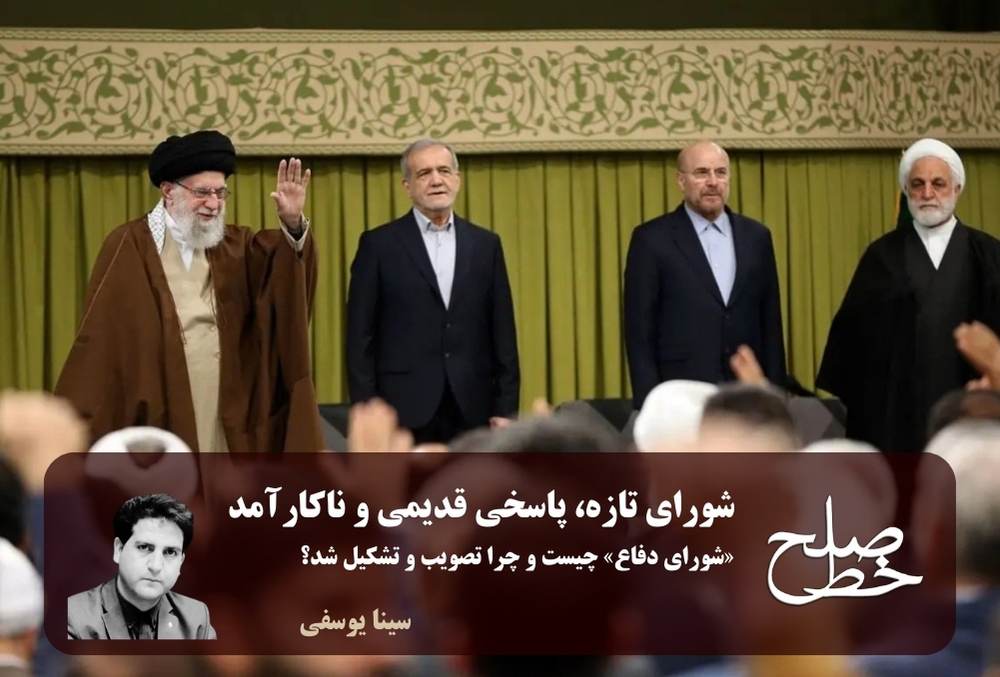
What is the ‘Defense Council’ and why was it approved and formed? / Sina Yousefi
In the month of Khordad of this year, Iran witnessed one of the shortest and most expensive military confrontations, known as the 12-day war. This war not only targeted vital infrastructure of Iran, including sensitive nuclear facilities and defense systems, but also exposed deep-rooted weaknesses in the structure of the Islamic Republic’s defense and security. […]...
Read MoreCreated By:
Sina Yousefi August 23, 2025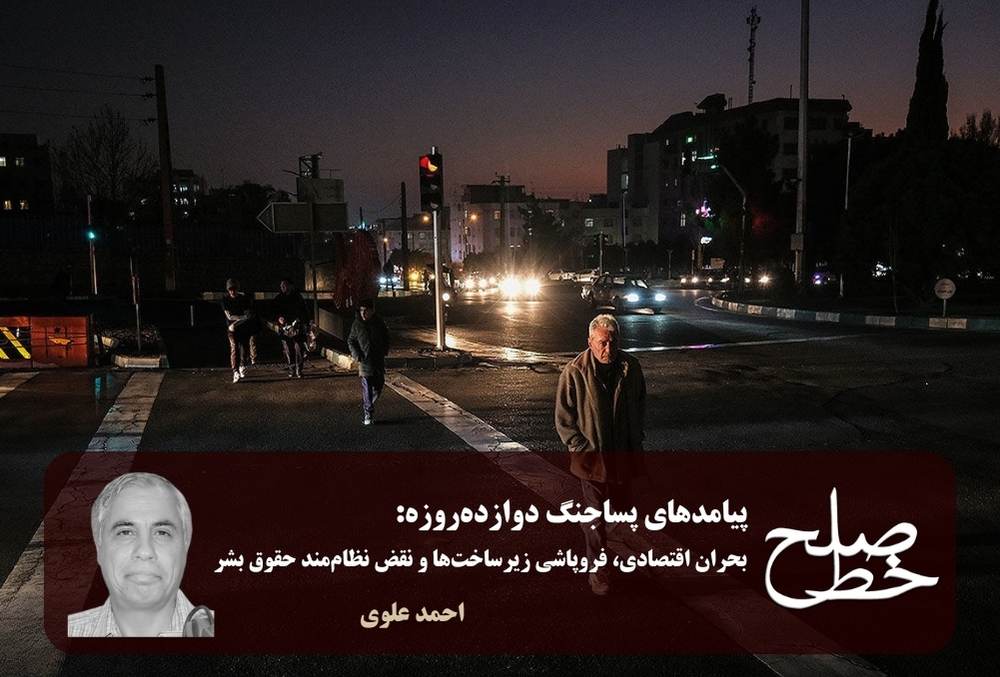
The consequences of the twelve-day post-war period: economic crisis, infrastructure collapse, and systematic violation of human rights / Ahmad Alavi
After the 12-day war between Iran and Israel, a destructive ceasefire was established. However, contrary to expectations of reconstruction and tension reduction, the structure of the Islamic Republic’s government intensified political and economic pressures, deepening existing crises. This note, with an analytical approach based on human rights indicators, examines the economic, social, and legal consequences […]...
Read MoreCreated By:
Ahmad Alavi August 23, 2025
