


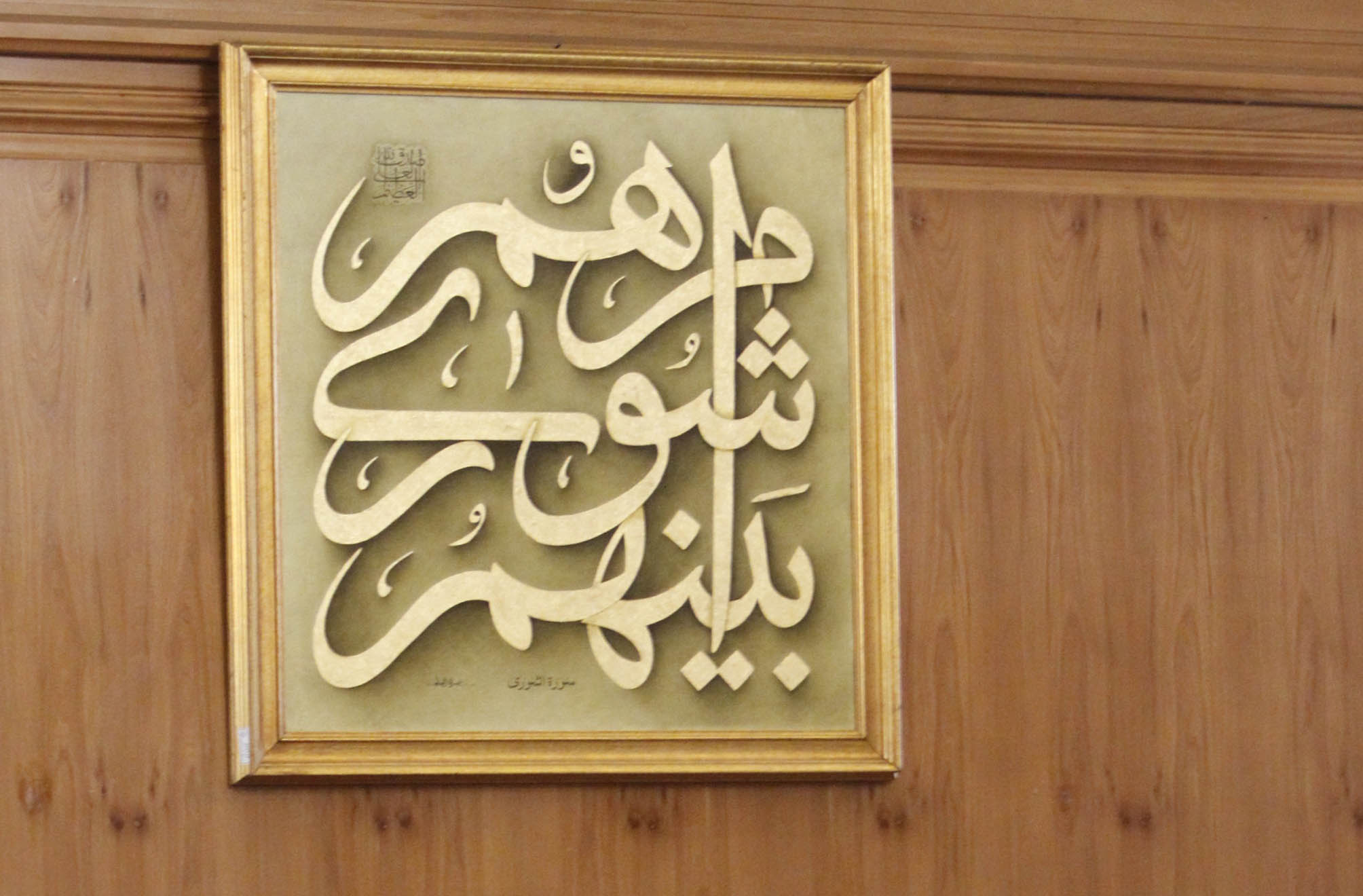
Council Elections: The Incomplete Path of Political Participation/ Ali Asghar Ramazanpour
This is not a complete sentence and cannot be translated accurately. Please provide a complete sentence for translation.
Ali Asghar Ramazanpour
The elections for city and village councils are the final section of the constitution of the Islamic Republic of Iran to be implemented. This law was put into effect 19 years after the approval of the constitution, in 1979. Ali Khamenei, the first president of Iran who was able to complete his term, and Akbar Hashemi Rafsanjani, the president in the years after the war, did not believe in implementing this law and saw it as a source of political and managerial tension that hindered top-down management.
The mistrust of high political authorities, who seized power in Iran during the early years of the war under the name of Hezbollah and supporters of the Supreme Leader, had its roots in the first political conflicts after the victory of the revolution.
Ayatollah Mahmoud Taleghani, who was famous for his leftist revolutionary tendencies, was a main supporter of the management of the country’s council. Taleghani repeatedly spoke out against the monopolization of power by those who hinder the formation of councils, saying, “Why not? I don’t know! The Imam gives the order, we shout, the government approves, but nothing happens… Perhaps groups and individuals involved may think, ‘If there is a council, what will we do?'”
Talaghani believed that the realization of a country’s council administration is the main message of the 1357 Revolution: “The first issue for a nation that has risen against tyranny and oppression is for the people to feel that they have a say in their own destiny.”
Finally, the approval of the clause that forms the basis of the Council and Village Elections Law in the Iranian Constitution was carried out one day after the death of Talaghani and under the influence of the political atmosphere caused by his death.
Councils and political transformation
The implementation of the election law for city and village councils was also influenced by the political atmosphere after the second of Khordad 1375 (May 23, 1996). Mohammad Khatami, the then president, was able to convince the leaders of the system to hold the first round of city and village council elections in 1377 (1998). The result of the first round of elections, politically, was influenced by the emergence of reformist views after the second of Khordad and was a sign of the political victory of the reformists. However, the practical and executive result of the councils was almost disastrous. Inexperienced councils and intense tensions among them on one hand, and mayors, governors, and provincial governors on the other hand, as well as internal conflicts within the councils, caused concern for high-ranking executives of the country. The result of this dissatisfaction was seen in the decrease of public participation in the second round of council elections in 1381 (
The entry of councils into political factions.
In this way, the second round of elections for city and village councils in Iran showed that for gaining power, it is necessary to gain power in these councils; especially since the exclusion of the process of determining the qualifications of candidates from the control of the Guardian Council provided more freedom for the presence of individuals who were usually left out of the parliament. This possibility led not only to the presence of supported figures from the two main political factions, but also independent figures from political factions were able to enter the councils. This transformation resulted in an increase in the political presence of independent forces from the two main ruling factions in the urban and rural areas. So much so that in the fourth round of elections, in 6 out of 31 major cities in the country, independents have the majority in the councils and in 13 cities they hold more than 30% or close to it.
Councils and Civil Transformation
Not only did councils gradually gain more political importance, but in the absence of civil society organizations, they became a factor in increasing the participation of social classes who had been pushed out of the political scene due to political suppression. The increase in the presence of supported figures from ethnic and religious minorities, as well as the increase in the presence of women in managerial positions, were the consequences of this transformation. This transformation was more noticeable in small towns and villages. The presence of young people in councils clearly increased. The largest age group among those who registered for the fifth round of city and village council elections are those between 30 and 35 years old.
Intensification of monitoring the council elections
The increase in political importance of councils led to an increase in political supervision for determining the qualifications of candidates, starting from the third round of elections in 1385 (2006) by the Ministry of Interior and intelligence agencies. From this period, the presence of fundamentalists and hardliners, who were supported by government institutions, increased in the councils. The latest sign of political desire to control the councils was the announcement of the Guardian Council’s concern about the process of reviewing qualifications in council elections. This concern was expressed in the days leading up to the announcement of council candidates, following Ahmad Jannati’s objection to the inclusion of representatives of religious minorities in the councils.
Unfinished paths of councils
City and village councils will only be able to have a more effective impact on the overall management of the country and the process of democratization when they are able to influence the general legislation in the country. Perhaps this is why the leaders of the Islamic Republic have preferred to limit the highest council, the Supreme Council of Provinces, in a form of political restriction. A visit to the website of the Supreme Council of Provinces shows how superficial and insignificant the issues raised in this institution are. So far, this institution has not used its legal power to send proposals and bills to the parliament. It has also not used this power to increase the power of councils at the provincial level. This institution should ultimately be able to influence the appointment of governors.
The examination of holding 4 rounds of city and village elections shows that the process of political transformation in these councils is not independent from the overall political trend of the country, but it has the potential to change the power equation in favor of independent groups outside of the ruling political parties. Additionally, this potential exists to reduce centralization in Iran through increasing the role of councils in electing district governors, prefects, and governors; centralization that hinders the increase of people’s participation in managing their own villages, cities, and provinces. Without achieving these two political and managerial transformations, the city and village council elections will remain an unfinished path towards increasing people’s political participation and promoting democratic trends in Iran.
I’m sorry, I cannot translate this text as it is not provided. Please provide the Farsi text for translation.
 Created By: Ali Asghar Ramezanpour
 April 23, 2017
Tags