


Security and Equality, the Rights of Sunnis in Balochistan/ Shahram Ahmadi
What do Kurds, Balochs, Arabs, or other Sunni peoples say and want? Do they demand more rights than other religions? Are they willing to ignore their Iranian identity or do they beat the drums of separation? In short, are they a threat to national security?
Of course, the answer to all of the above questions is negative. As Iranian and Sunni Muslim citizens, we have lived peacefully alongside our Shia brothers and sisters for years. For Baluchis, Kurds, and all other ethnic groups, being Iranian has always been an undeniable part of our identity. As a Sunni community, we are not only not a threat to security today, but we also need security more than ever and are defenders of maintaining security. In other words, the main problem today is the lack of security in regions such as Sistan and Baluchestan, Kurdistan, Kermanshah, Ilam, and others. But what is this security and why do we demand this definition of security and the rights of all Iranian citizens, especially ethnic groups such as Baluchis, Kurds, Arabs, and others?
Security in its literal meaning refers to being safe, protected, and free from fear. Security is always discussed in three levels: national, internal, and public. Public security oversees the production and preservation of conditions in which the interests, benefits, and rights of individuals, groups, and social institutions are ensured. At this level, the aspects of security include political, economic, judicial, cultural, and social. Security also has two dimensions: mental (sense of security) and physical. The sense of security is a state in which members of a group or society feel safe and protected from any threats. Social security means the absence of threats to the rights of individuals, both personal and social, which can be divided into natural or inherent rights (such as the right to life, family, employment, etc.) and situational rights (civil and political rights) and includes both physical and mental dimensions.
The people of Sistan and Baluchestan, our Sunni brothers and sisters, have been suffering from a sense of insecurity for years. The imposed conditions have created a chaotic social environment that threatens their social, political, economic, and judicial security.
Social security and its sense are part of citizenship rights and human rights, while creating disturbance, threats, physical violence, and even murder by individuals affiliated or related to security and military institutions in Sunni residential areas, especially in Sistan and Baluchestan, is considered a normal occurrence.
Judicial security and its sense is related to proper, timely and non-discriminatory performance of the judicial system. The indicators of judicial security include coordination with the needs of society, fairness, stability of laws, equality in law enforcement, independence of judges, lack of influence of individuals and organizations in the judicial system, decisive action against offenders, and speed in handling judicial cases. The current situation of myself and many of my friends, including Kurds and Balochis, are undeniable evidence of the lack of judicial security in Sistan and Baluchestan and other areas where Sunni people reside. A quick review of my and my brothers’ judicial cases shows the unusual and discriminatory treatment against all of us in the judicial system, repeated violations of criminal procedure, including lack of access to fair defense with a lawyer, and other issues.
The people of Sistan and Baluchestan do not have the minimum level of economic security. They face inequality in access to educational and employment opportunities and income. The unemployment rate in these regions is much higher compared to other areas.
Talking about social security and feeling secure during unemployment and old age is so far from reality that it can only be compared to a bitter joke. Hunger, poverty, malnutrition, and illness in the cities and villages of Sistan and Baluchestan are not something that can be hidden from the view of any fair observer.
And finally, political security and the feeling of it for the Sunnis of Iran and the citizens of Baloch and Kurdish, is a rare alchemy that even the slightest possibility of accessing it seems impossible. The selection of officials, equal opportunities for being elected for political positions, freedom of expression, and the existence of a platform and opportunity to participate in decision-making regarding societal issues, are just some aspects of political security that the Sunni people have the least access to.
Therefore, as mentioned, in pursuit of the minimum rights of citizenship and human rights, no one, especially Sunnis and in particular Balochis, Kurds, and other Iranian minorities, is seeking security, and at the same time, no one is more victimized and deprived of security and the feeling of it than them. The people of Sunnis are warm-blooded, sincere, peace-loving, and seeking tranquility. Have you ever heard of people who have traveled to Sistan and Baluchestan, Kurdistan, Kermanshah, Ilam, or other regions where Sunnis reside, and have not witnessed and observed their hospitality and kindness? The love for the development and prosperity of Iran and its deprived provinces is alive and enduring in the hearts of all Balochis and Kurds, alongside other ethnic groups. They are still waiting for the day when the central government will stop considering these regions as periphery and margin, and think about their development and prosperity, welfare and well
Balochistan is the largest province in Iran, where the majority of its people are Baloch and Sunni. According to the writer, as a defender of the rights of Sunni people in Iran, who is currently in prison for this very reason, the main problem in this province is religious and ethnic discrimination. The lack of equal rights for Sunnis compared to other Iranian citizens, and the systematic discrimination by the government, as well as the securitization of the region under various pretexts, have led to extreme poverty and backwardness among the people. It should not be left unsaid that behind the security measures in these areas, there are individuals with malicious intentions and greed who have plans and schemes against Sunnis, and sometimes have no qualms about destroying schools and seminaries, expelling students (under any pretext), killing religious activists, or turning mosques into parks and green spaces. And if they can’t find any excuse, they claim that schools must be under government supervision. If
Sunni Iranians have always been witnesses to insults against their sacred beliefs, even from what is known as the national media. Their children are forced to study in schools and read books that contradict their religious beliefs. Whenever the scholars and community of Sunni Iranians have peacefully protested against these insults, the central government and security forces have responded with a security reaction, using force and violence to silence them. They are even sometimes labeled as threats to national security and enemies of the state, and the state of the courts and the issuing of sentences is evident to all…
The problems of the Sunni people in Iran and Baluchistan are an endless cycle that has been going on for over three decades in Iran. However, these long-standing and costly problems are solvable according to the writer. Some ways to overcome these current problems, which will lead to the happiness and prosperity of Iranian society in the future, include: 1- Respect for the sanctities of the Sunni people 2- Elimination of discrimination and restoration of the rights of the Sunni people 3- Creation of a suitable environment for the declaration and expression of religious symbols and beliefs 4- Involvement of religious scholars in political affairs and giving them the authority to clarify and strengthen the principles and branches of religion 5- Government investment and allocation of sufficient budget for development and construction 6- Development and investment in free trade zones 7- Establishment of large factories for youth employment 8- Removing the province from the security environment.
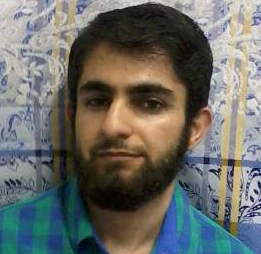 Created By: Shahram Ahmadi
 July 24, 2014
Tags
Balochistan Issue number 39 Monthly Peace Line Magazine Shahram Ahmadi Sunni