


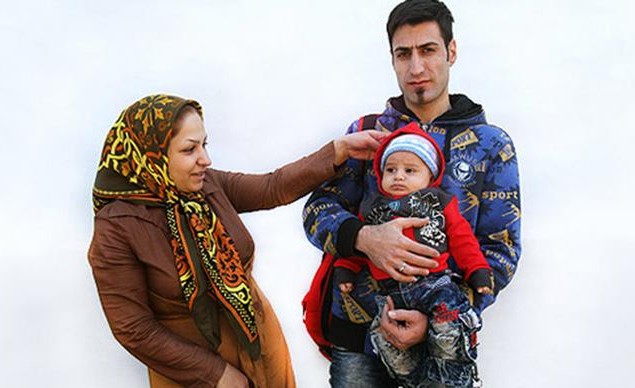
یAmbiguity in the nationality of children born to an Iranian mother and a foreign father / Osman Mozini
From past times, citizenship has been of great importance and its significance is derived from the attachment of an individual to their previous or own nation. Nowadays, citizenship is a political and social concept that has numerous effects on citizens, and each individual’s citizenship creates rights and responsibilities for them; including the right to participate in elections of their country to choose its leaders and the obligation to serve in the military for their respective country.
Considering the significant distance and difference between countries in terms of access to welfare facilities and legal rights, people are certainly inclined to have the citizenship of an advanced and prosperous country. This has created disputes regarding citizenship determination and each country has specific regulations for accepting the citizenship of others.
There are restrictions for granting citizenship to individuals in order to prevent the entry of other individuals into the country’s population, and the absence of laws determining citizenship will lead to chaos in the citizenship of individuals. Based on this, countries around the world have defined two different systems for determining citizenship.
Soil system
According to this, every person born within the borders of a country will have the citizenship of that country.
2- Blood system:
According to this system, anyone born to citizens of that country is considered a national.
By studying the second volume of the second book of the Civil Code, which is dedicated to the topic of citizenship, we conclude that Iran has established the bloodline system as the basis for determining citizenship, which it also attempts to implement in a partial and limited manner through the land system.
In European and developed countries, many people apply for citizenship in those countries in order to benefit from their facilities and rights. However, due to the economic situation in Iran, not many people apply for citizenship in this country. In recent years, with the increasing number of Afghan immigrants or Iraqi refugees and the marriages between citizens of those countries and Iranian citizens, the issue of citizenship for their children and the necessity of having the rights of an Iranian citizen has been raised. This has become a sensitive topic as it involves the rights of children and many children are now deprived of their legal rights due to their uncertain citizenship status.
Article 976 of the Civil Code, in seven clauses and one note, specifies Iranian nationals. According to it, if a child is the result of a marriage between an Iranian father and a foreign mother, due to the current system of blood and transfer of citizenship from father to child, there is no doubt about the child’s Iranian nationality; but if the situation is reversed and the child is the result of a marriage between an Iranian mother and a foreign father, based on the criteria of the blood system, this child is not considered Iranian.
According to Article 5 of the law, with the prediction of a type of citizenship called acquired citizenship, these children have the right to obtain or acquire their mother’s citizenship, which is subject to certain conditions; including being 19 years old and residing in Iran for one year after reaching adulthood.
According to the aforementioned legal text, it is obvious that a person born to an Iranian mother and a foreign father is in a state of ambiguity and complete uncertainty regarding citizenship until the age of 19. Even after reaching the age of 19 and meeting the conditions stated in the law, obtaining Iranian citizenship is subject to the approval of the Iranian government.
Definitely, a child who is not an Iranian citizen and whose father also has a foreign citizenship, will face unfortunate circumstances and will be deprived of education, progress, etc.; while other children in the country do not experience such unfortunate situations.
The inadequacy and insufficiency of regulations in article 976 regarding children born to an Iranian mother and foreign father, forced the Islamic Consultative Assembly to pass a single article determining the citizenship of children resulting from the marriage of Iranian women to foreign men on October 23, 2006. This single article granted citizenship and issuance of birth certificates for these children, subject to the conditions of being 18 years old and the occurrence of marriage between their parents, according to article 1060 of the Civil Code and with the permission of the Iranian government. Clearly, with consideration of its context, we can conclude that the passing of this single article will not solve the problems of these children.
Insufficient legal texts led to the proposal for amending this law in 2012, which faced objections from the Guardian Council after its approval. The reason for the Council’s objection was also the creation of a financial burden for the government due to the allocation of subsidies to these individuals and the elimination of residency fees from them.
Alongside the hesitation of governments to grant citizenship to individuals who do not meet the legal requirements and considering the conditions set by governments to establish legal rights for them and increase their obligations, we must accept that decisions and legal regulations for citizenship should be adapted for individuals who have undergone changes and transformations. Regardless of their Iranian citizenship, the dignity of human beings must be respected and the rights of citizenship, such as education, identity, birth certificate, etc., should be considered for these individuals whose mother is Iranian and father is foreign. The lack of Iranian citizenship should not result in deprivation of basic citizenship rights.
 Osman Mozayan
 December 2, 2015