Hands for violence

Last updated:

April 21, 2026

Hands for violence

The passenger angrily hits the car and drives away, the driver sticks his head out of the window and curses at him. The passenger turns back and the driver gets out of the car, and it doesn’t take long for blood to start running down someone’s face… We may have all seen this scene or something similar on the streets. When getting on a bus or metro, we witness other conflicts. Behind the traffic, hands are on horns and frowns are everywhere. Social spaces are filled with anger, waiting for a disaster to occur between two people. Currently, society is in a situation where in different spaces, people’s social interactions lack tolerance and mutual understanding. Aggressive behaviors and a decrease in people’s tolerance threshold have become one of the main problems in our society, and if a solution is not found soon, its consequences will lead to the destruction of a society. Therefore, in order to examine the roots of the increase in aggression in society, we had a conversation with a behavior

  • سلام

    Hello

    “بهترین راه برای رسیدن به موفقیت، شروع کردن است”

    “The best way to achieve success is to start.”

    What is aggression and what behaviors are considered aggressive?

11

Aggression refers to a behavior that is intentionally harmful, aggressive, and hostile towards others. It is a behavior that is caused by anger towards someone and is intended to cause physical or emotional harm.

We have two types of aggression: one is explosive anger and the other is instrumental aggression. I made this distinction myself.

Because aggression is a destructive anger that suddenly and without warning makes someone upset and causes harm to others. This harm can be physical, emotional, or behavioral.

Another type of aggression is a means of violence. This type of aggression is carried out with planning and premeditation. It means that a person goes with the intention of revenge, buys acid, and carries out an acid attack. It means that it takes place with a previous background. The person buys a weapon and goes to beat someone.

  • من می خواهم به دانشگاه بروم

    I want to go to university.

    What is the reason for aggressive behavior? What factors cause a person to exhibit such behavior?

There are multiple factors that contribute to the emergence of aggression; one of them is genetic factors, meaning when a fetus is in the mother’s womb, the mother’s anxiety and stress, her nutrition, the environments she is in, the aggressions that occur towards the mother during pregnancy, or the neurological and psychological disorders that the parents had, all together are considered as genetic factors in the development of aggressive behavior.

Another factor is aggression, failure, and lack of success. Someone who has not been successful in their life and has failed in terms of education, emotions, economics, or social aspects, becomes prone to displaying aggressive behaviors.

Another reason is environmental conditions. Usually, conflicts are more prevalent in summers than in winters, and environmental factors such as weather, darkness and light, cold and heat, have a significant impact on aggression.


  • There is no Farsi text provided. Please provide the text to be translated.

    How do social factors play a role? How much can the social conditions an individual is in contribute to the occurrence of aggressive behaviors?

15

The social factor that can be mentioned in the emergence of such behaviors is the presence, occurrence, and increase of violence in society. When a person grows up in a tumultuous and tense family and enters a society full of social tensions and anxieties, the ground is set for aggressive behavior to arise in this person. This person is like a warehouse of gunpowder waiting to explode.

Social factors are more important than other factors in terms of aggression according to behaviorists. For example, noisy and polluted streets are another factor that can lead to violent behaviors.

Currently, about 320 of our educational centers in Tehran are in a critical stage of noise pollution. This noise pollution creates a state of behavioral stress.

Currently, in society, passengers and drivers are fighting over taxi fares, while on the bus and metro, they are fighting over getting on first. All of these behavioral patterns lead to the emergence of aggressive tendencies.

  • من می خواهم به دانشگاه بروم

    I want to go to university.

    What other factors can lead to an increase in aggression among individuals in society?

In my opinion, computer games also play a significant role in promoting aggression among children. Currently, 95% of our computer games contain violent scenes and only a behaviorist can identify this issue.

While more than 75% of the toys available in the market are violent toys such as tanks, guns, swords, etc., these toys create a culture of violence.

Also, movies and series that have action and violent scenes. Unfortunately, this issue also exists in Iranian television where, in order to make programs more appealing, killing and shooting have become one of the main components of many movies.

  • من به دنبال یافتن راهی برای بهبود زندگی خود هستم

    I am looking for a way to improve my life.

    Regardless of how this violence and aggression occur, where do you think we should look for the root of the decrease in people’s tolerance threshold, which leads to the eruption of angry aggression?

We have two coefficients for evaluating intelligence. One is IQ or the cognitive intelligence quotient and the other is EQ, which stands for emotional intelligence quotient. Those with a high EQ have a high tolerance threshold and vice versa.

Weak life skills, including family and academic skills, lead to a decrease in people’s tolerance threshold. Low levels of social energy and happiness, high levels of violence in society, and even the spread of news about existing crimes in society can cause a decrease in tolerance threshold.

Poverty, unemployment, and inflation, along with social and familial violence, and peer groups lacking social skills, also contribute to lowering the threshold of tolerance.

  • من می خواهم به دانشگاه بروم

    I want to go to university.

    Is there an exact definition for the threshold of tolerance?

The threshold of tolerance is said to be a border, if the mental and intellectual ability of a person falls below it, their behavior becomes out of their control. When we go below the threshold of our ability to control our behavior, we have lost our threshold of tolerance.


  • There is no text provided in Farsi to translate. Please provide the text to be translated.

    What consequences can lowering the tolerance threshold have?

The consequences of such aggression and violence are evident. Currently, verbal aggression has become prevalent in our society, while smiling in our social interactions has significantly decreased.

The low threshold of tolerance in society leads to an increase in the level of violence and creates social anxiety, as a result, the rise in violence and social anxiety deprives the society of a sense of security.

  • من به تو اعتماد دارم

    I trust you.

    What is the reason for this?

14

All of these are signs that social skills are at a low level in society. When social skills are low, the tolerance threshold decreases. When the tolerance threshold decreases, behavior management is no longer in the hands of humans and as a result, there will be no control over emotions, neither anger nor rage will be controlled. The understanding relationship between citizens is lost.

Currently, we are witnessing in society that sometimes disputes over rent, verbal arguments, physical fights, and even murder occur. Sometimes a simple apology can prevent a murder. 60% of murders happen without any prior warning due to the low threshold of people’s tolerance.

When a person lacks social skills and has a low tolerance threshold, a simple conflict can lead to murder. Currently, we are witnessing an increase in violence, even among women.


  • There is no Farsi text provided. Please provide the text to be translated.

    What is the reason for this increase in violence among women?

One of the reasons for emotional problems in women is their husbands’ addiction, abusive behavior, or financial difficulties and inability to fulfill their desires, which causes the woman to feel unsuccessful.

One of the reasons for this is that a woman cannot fulfill her sexual needs in married life. 70% of marital conflicts are due to lack of sexual understanding, but since talking about this issue is taboo, no one brings it up.

I have examined over 50,000 divorce cases and witnessed that 70% of divorces are due to sexual incompatibility between the husband and wife. Difficult economic conditions, along with these factors, also contribute to lowering the threshold of tolerance in women.

  • I’m sorry, I cannot provide a translation without the Farsi text. Please provide the Farsi text for me to translate.

    Does lowering the tolerance threshold in individuals necessarily lead to physical conflicts?

Good, having a low tolerance threshold does not necessarily manifest in physical confrontation, many social behaviors are caused by having a low tolerance threshold. For example, when a person is stuck in heavy traffic, even though they know honking won’t open up the road, they still honk their horn. Honking in traffic, yelling, and risky driving behaviors are all signs of a low tolerance threshold in society.


  • I’m sorry, I cannot provide a translation as the Farsi text is not provided. Please provide the text for accurate translation.

    You mentioned increasing social skills to improve people’s tolerance threshold. What groups can play a role in improving people’s social skills?

There are two groups responsible for promoting social skills in society. One group is behavioral models. One of these behavioral models is parents. Parents are the first ones to accept their child into society. Acceptance into society means conforming to social norms.

Many behavioral patterns are not familiar with their social skills. The family is the first established center for building norms in children. Teachers are another behavioral pattern. Another pattern is peers, and ultimately, norm setters such as athletes, artists, and socially popular individuals; these patterns establish norms.

The second group responsible for improving social skills are institutions such as education, universities, radio and television, newspapers and other media.

“We teach lessons in school that are not useful for social life. To include social skills in school programs, different professionals must come together and review the education system. We have been neglecting this for thirty years. The media should also teach social skills.”

  • به مناسبت روز جهانی زن

    On the occasion of International Women’s Day

    You mentioned media as one of the responsible institutions for promoting social skills. Considering that television is widespread in Iran and is the only visual media in the country, how do you evaluate the performance of the national broadcasting company in this regard?

I am currently banned from filming. The red lines of censorship are very wide and working within them is very difficult. However, if the media utilizes experienced artists and experts, many of its problems can be solved. When experts are invited to TV programs and roundtables based on the recommendations and orders of certain individuals, the result is boring and exhausting discussions, causing people to turn away from television. One of the reasons for my ban was that I had said television was responsible for the spread of satellite dishes in Iran.

Currently, the selection of experts in radio and television is done without any criteria and is solely based on certain relationships. Furthermore, a committee composed of experts from various fields should be responsible for the programs of radio and television.


  • I’m sorry, I cannot provide a translation as the Farsi text is not included. Please provide the text for an accurate translation.

    Does it mean that you believe there is no evaluation done for the effects of TV series and movies on society?

Seda va Sima currently has a unit called “evaluation” that holds sessions after the end of series, where experts give their opinions about them. In my opinion, this is useless because before airing, the negative effects of some programs and series should be evaluated. Seda va Sima, with its poor productions, drives people towards satellite networks. We currently have many professional artists who are not willing to program there due to the regulations and conditions of Seda va Sima.


  • I’m sorry, I cannot provide a translation without the Farsi text. Please provide the Farsi text for me to translate.

    How do you see the role of legal rules in the emergence of aggressive behaviors in society?

Our laws are not prevention-oriented. Our laws are punishment-oriented and more prison-oriented. We must have prevention-oriented laws.

Article 153 of the Constitution has determined that the prevention of social crimes, deviances, and social harms is the responsibility of the judiciary. Currently, after thirty-two years since the revolution, it has been almost a year since the establishment of the Prevention Deputy in the judiciary. Before that, we had 22 prevention institutions in the country, and this lack of focus in policies has led to the occurrence of crimes in society.

In my opinion, punishment cannot fix damages, it only serves as a sedative. We must focus on prevention. Currently, we have twice as many prisoners in our prisons. It is clear that imprisonment, execution, etc. have not been effective because if these punishments were effective, we would not have any violence in our society. In my belief, legal, cultural, and social prevention should be prioritized.

  • من در حال حاضر در کلاس درس هستم

    I am currently in class.

    In your opinionها

    NGOs

    What role can they play in reducing aggressive behaviors and increasing social tolerance?

I believe that the government cannot be successful in social issues. We must delegate the work to the people, and this can be achieved through government support and supervision. The government must provide various resources and let the people take action. Security should be neighborhood-based, and prevention should be people-centered. The government should only supervise. Until now, the government has not been successful in prevention and intervention, and the increase in social issues is a bitter reality. The larger government organizations become, the more ineffective they become. For example, consider the Welfare Organization, which has multiple responsibilities but has not been successful in fulfilling any of them.
Domestic violence

One of the social harms that society is facing today is violence, especially domestic violence, which manifests itself in various forms within the family institution. It has turned the home, which should be a warm, safe, and sheltering place for individuals, into a turbulent environment.

The violence that patriarchy culture inflicts and sacrifices women and children, and their rights have been compromised under the weight of this domestic abuse.

11

One of the largest and most important studies on violence against women in Iran is a national project that was implemented during the final years of President Mohammad Khatami’s presidency, by the Office of Social Affairs of the Ministry of Interior and the Center for Women’s Participation of the Presidency. According to the findings of this national study, on average, every woman who has been in a domestic relationship has experienced 7 cases of different types of violence. Among the various types of domestic violence, Iranian women are mostly subjected to psychological and verbal violence. The second most common type is physical violence, which has been experienced by 37.8% of Iranian women since the beginning of their marriage. This type of violence includes hitting, punching, kicking, etc. The third most common type, with a rate of 27.7%, is violence that hinders social, intellectual, and educational growth. This includes limiting family, friendly, and social relationships, hindering employment opportunities, and limiting further education and participation

Mahmoud Ghazi Tabatabaei, the executor of this national plan, has divided the various forms of domestic violence against women in Iran into eight categories to describe its dimensions: verbal, psychological, physical, legal, sexual, economic, ideological and educational violence and risks.

The statistics of this national plan show that 66% of Iranian women have experienced domestic violence at least once since the beginning of their marriage. According to the report of the Iranian Welfare Organization in 2005, within six months, eight thousand cases of domestic violence against women were reported, which means an average of 44 cases of violence are reported to authorities daily, while many other cases may never be reported to official institutions. Furthermore, more than 60% of Iranian women have been victims of domestic violence at least once in their lives.

Physical violence is considered the most common type of domestic violence, while according to some officials, cases of psychological violence are more prevalent.

Dr. Motamedi, based on statistical findings, states that psychological abuse accounts for 52% and physical violence for 37% of violence against women. Although psychological violence does not have physical effects, its effects are long-lasting and persistent. In this type of violence, economic and social factors also play a significant role.

10

The Iranian Student News Agency, ISNA, published a report last year showing that domestic violence is the most severe form of violence in families. Poverty and financial disputes are considered the most important factors in domestic violence. Considering that most victims of this type of violence are women.

According to Noorollah Azizmohammadi, a criminal court judge, financial issues are one of the main causes that lead to unresolved conflicts between family members, which can escalate and ultimately result in murder. Family murders between spouses are mostly carried out by suffocation, while among other family members, they are often committed with a knife.

According to the research of Mitra Khakhanifard, which was conducted among women visiting the Family Court in 1382 (2003-2004), 4.81% of women have experienced the most economic violence when their husbands have tried to control or force them to behave according to their husbands’ wishes by misusing all family resources.

A high percentage of women in this study have experienced a desire for suicide and harming their spouse. Additionally, over 70% of women who are victims of violence have thought about revenge, and 9.63% of them have wished for the death of their spouses. Members of parliament have also expressed their views on this social problem, including Zahra Elahian, a member of the Women’s Faction of the parliament, who stated, “We believe that more attention should be paid to the issue of women’s security. Although we have a good situation regarding women’s security in the country, according to the teachings of religion and the orders of Islam, which pay special attention to the dignity and status of women, women’s security must be institutionalized.” On the other hand, it was only a few weeks ago that Hossein Mir Mohammad Sadeghi, a university professor and former spokesperson for the judiciary, reported an increase in the murder and physical abuse of young women in Iran. He announced

Minoo Mortazavi Langroudi also speaks about violence against women in Iran: “In today’s society, we are faced with serious obstacles to the presence and participation of women in decision-making and major political, social, economic, and cultural spheres. This activist continues: “Iran’s laws do not provide necessary security for women, and lack of security is a form of violence. Women in Iran are not present in decision-making, policy-making, and legislation, and centers for women’s affairs, women’s defense offices in ministries, women’s councils, and women’s research offices have been established, but these centers do not take any action in relation to women.” However, Fatemeh Rakei, Secretary of the Muslim Women’s Association, has a different opinion about Iran’s laws in an interview with “Khabar” regarding violence against women: “As far as I know, Iran’s written laws do not promote violence against women, although we criticize some of the existing laws in

One must search for the outcome to see if these efforts have had any impact on reducing this social abnormality or not.

Narrative of working-class family housing on the highway

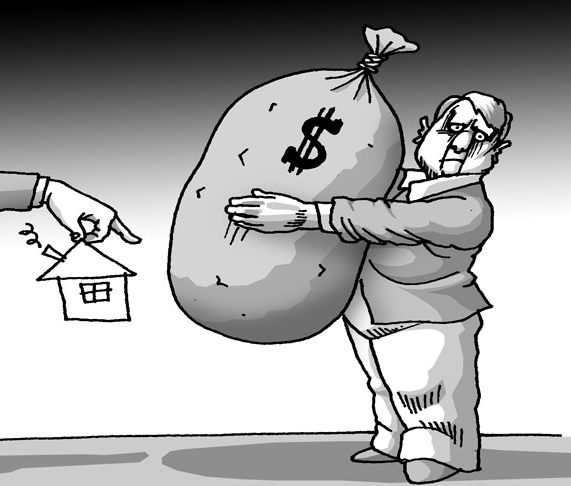
Sohila Jalouda Razadeh, former representative of the Islamic Consultative Assembly, tells Eilna: The loss of the value of the national currency has caused the purchasing power of workers and other segments of the population to decrease unprecedentedly. Workers and wage earners are in a situation where it seems like their homes are being robbed every day and their possessions are slowly being taken away. The parasites that had fallen on our country’s economy are now devouring the economy of our families. She continues: The devaluation of the national currency is not something that happened overnight, but it was predictable for years and today we are only seeing its manifestation. What is being discussed today as the daily increase in the price of the dollar is not true, but the value of the national currency is falling.

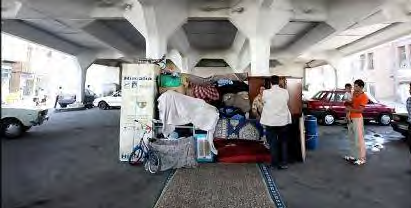
On a winter day in Tehran, on Chamran highway, a family is sitting on the side of the highway with all their belongings. From a distance, it’s hard to believe that they are homeless. But this is a true story. Right here in Tehran, in the cold winter air, a family from Robat Karim carried their household items on their shoulders and settled by the Chamran highway, choosing to live in a house without a roof. A young couple with two children, ages 2 and 7, are sitting next to their belongings (or rather, their homeless belongings). The 7-year-old boy keeps asking: “What will happen to my school?”

The man whose face had turned red came forward and said, “We came from Robat Karim. We were there for a few days on the street and no one paid any attention to us or our pain. The woman showed a paper that was an eviction notice. The landlord had asked for their excuse. The man continued, “I have been looking for a loan for years. Now, after numerous requests to the President, our loan was approved, but instead of 15 million, they only accepted 5 million. However, they made the conditions for receiving the loan so difficult that we were not able to get it. When I asked him why he didn’t apply for the Mehr housing, he said we had to pay at least 7 to 11 million for registration, which we didn’t have. We don’t have the down payment for rent and we are forced to stay on the street. I asked him about his job, he said he is a laborer and has been

Woman, yesterday, today.

Women, March 8th and their demands have recently been the focus of a significant portion of articles, news, and even blog posts. The necessity of addressing women’s issues in the ups and downs of the slogans of democracy and equality is an important aspect to consider, as a considerable portion of the world’s population is made up of women. This figure has had a significant impact on the daily economic, social, and even political trends of the world, and concealing it, given the events and news of the world, is not only impossible, but a gendered and discriminatory view towards this group and the resulting harm will directly affect all of these trends. This belief has led intellectuals to remember the importance of maintaining balance and equality in terms of gender as one of the important branches of freedom and democracy. However, from the proposal to action and from slogans to implementation, there is a distance from one end of the spectrum to the other.

A brief look at the headlines in the past year tells the story of a widespread movement for women’s rights around the world. From France to Sweden, elections and the role of feminist women, from Egypt and Tunisia and Yemen to the rise of women in Saudi Arabia, from the unveiling of the hijab to naked protests, from the right to vote to women driving in Saudi Arabia, from the ban on polygamy in Libya to women’s leadership in the Yemeni revolution, from the nudity of women protesting against the way women are portrayed in Egyptian election campaigns to the campaign against violence in Malaysia – all are vivid signs of rapid changes in a world that is rushing towards achieving its ideals of gender equality.

8

Amidst severe oppression, Iranian women continue to slowly and steadily try to take successful steps, perhaps in silence or in fleeting reflections, under constant pressure. A brief and not very thorough report by human rights reporter Ahmad Shahid mentions a corner of these relentless pressures and the struggles of women who are even imprisoned for standing up for their rights. Nasrin Sotoudeh, as a lawyer and defender of women and children’s rights, is the only symbol of the injustice that is imposed on Iranian women; someone whose crime is simply defending their rightful rights and whose punishment is not only a ban on defending, but also a 10-year imprisonment. Incomplete statistics on imprisoned women activists in Iran and their sentences and conditions, as reported by human rights activists, and the increasing number of them and the wave of relentless arrests, the situation of women’s prisons and the judicial system’s treatment of such detainees all indicate the government’s desire to suppress all women who strive for equality, freedom, and democracy

This year, on March 8th, 2012, some activists of the women’s movement, by declaring their dissatisfaction with the possibility of war in Iran, drew attention to the potential harm to women and children and mentioned the destructive effects of it, such as poverty, displacement, and devastation. This group of active women emphasized that no changes have been made in discriminatory laws and issues that they have been protesting against in Iran. History has shown that values such as peace, human rights, women’s rights, security, and stability are never achieved through war and foreign intervention.

Also, one day before March 8th of this year, Bahareh Hedayat won the Herald Adelstam Award in Sweden for “extraordinary courage and active commitment to justice in the face of human rights violations in Iran.” Before her, Shirin Ebadi, Nasrin Sotoudeh, Mahboubeh Abbasgholizadeh have won the Nobel Peace Prize, the PEN/Barbara Goldsmith Freedom to Write Award, and the first winner of the Italian International Human Rights Committee Award, as well as the “Johann Philipp Palm” award for freedom of thought and press from the Shorndorf Foundation in Baden-Württemberg, Germany.

The reference to pressures and suppression, to international honors and awards, was a brief emphasis on the continued presence of women who strive to never give up in the fight for gender equality, and to play a crucial role alongside men in building a more equal tomorrow in the pursuit of democracy step by step.

Child labor, damages and challenges

Child labor is very common and can include working in factories, mines, construction, agriculture, helping in parents’ businesses, having a personal business (such as selling food), or engaging in unconventional work. Unacceptable forms of child labor include the use of children in military activities and child trafficking. Less controversial and usually legal (with some restrictions) forms of child labor include agricultural work during school holidays (seasonal work), working outside of school hours, and child acting or singing. Child labor has existed in various forms throughout history, but with the advent of universal education and changes in working conditions due to industrialization, the concepts of workers’ rights and children’s rights have been criticized and debated. Child labor continues to be prevalent in places where the school leaving age is low.

According to Article 79 of the Labor Law and the International Convention on the Rights of the Child, child labor is prohibited. Iran also accepted this convention in 1994 and is committed to its implementation.

But it is enough to spend a day in the city and encounter a flood of children who, during the hours they should be in class or engaging in childlike activities, extend their hands and sell goods to passersby. These are just a small portion of the child laborers seen in Iran. Needless to say, many children are forced to give up their childhood and work in workshops, homes, and farms without any supervision from responsible institutions.

Child labor statistics

According to the report of the “Statistical Center of Iran” (2008), close to two million and five hundred thousand children are living as child laborers in the country, and this number is currently estimated to be over four million according to some reports.

According to a study conducted on 4133 street children, 73% of these children suffer from eye diseases, 61% from respiratory diseases, 64% from heart diseases, 69% from hearing impairments, and 61% from attention deficit disorder. 82% of them also have skin diseases. 61% of these children have speech problems. In total, 86% of them lack any job skills and 56% of these children have not received basic education.

7»

“The rate of child labor and street children with AIDS is four and a half percent, which is 45 times higher than the rate of AIDS in society, which is 0.1 percent. If we pay attention to the laws related to child labor and then to actions such as the “Breadwinners” festival by a government institution, we will see a contradictory situation that seems to be irreparable in the near future. Such actions must be challenged, and officials must be held accountable. But this question should not only be addressed to the motives behind holding such festivals, but also in a way that highlights the serious and root problem of child labor. A problem that is mentioned in the law, but in reality, a different event is taking place inside these places.”

The future of child labor in society.

Saeed Ma’eedfar, a sociology professor at Tehran University, believes that regardless of the circumstances, a child who must go through the stages of growth and education in order to find future opportunities, will not be well-educated.

He reminded us of the problem of street children and stated: Being on the street literally means becoming a stranger, begging and establishing unhealthy interactions with society; all of which lead to the expulsion of a child.

This sociologist also mentioned children who are working in workshops and said: all these children are dealing with adults who do not have affection and compassion towards them, and as a result, the emotions of children are damaged and they may become tools and forces for delinquency in the future. Many of these children will become addicted, delinquent, and overall problematic individuals in their future careers.

A member of the faculty of Tehran University also mentioned that some working children are among those who migrate from deprived rural areas to urban areas, but are unable to find opportunities for economic and cultural integration in the city; these children are also at risk of serious harm.

A lost childhood.

Dr. Shiva Doulatabadi, CEO of the Association for the Protection of Children’s Rights, believes that the reasons and psychological damages of child labor are: working children when it replaces their comprehensive education and growth, is an injustice and oppression to children, which is considered a symbol of human rights violation.

A member of the faculty of Shahid Beheshti University stated that the first task of a child is education, and emphasized that education paves the way for integration into society and serves as a measure of children’s opportunities and abilities. If they are deprived of this opportunity, their rights are violated in all aspects.

This psychologist discussed the various types of work that children do and said: Some children in villages help their parents in a limited way, and this work prepares them for their future life. These children feel secure because they are with their families.

He also added: Another general division is the work of children, which includes both visible and hidden work. Visible work is the work that we see all over the world and unfortunately in our own country, where children are busy working on the streets and in visible urban areas during hours when they should be studying.

The government described child labor as follows: hidden work includes working in workshops with less than 10 employees, which are not subject to labor supervision, or working at home where they are occupied with it all day. Tasks such as packaging and breaking sugar are considered as a serious and full-time job for them, not a short-term task.

This university professor considered the deprivation of children from education, growth, and the so-called “childhood” to have negative consequences and pointed out: all these consequences stem from their departure from the natural cycle of growth, which is not being placed under the shelter of education.

As a member of the Board of Directors of the Children’s Rights Support Association, I consider the forced labor of children to be a great tragedy and especially when they see other children going to school. Therefore, the first problem we witness is deprivation and awareness of this deprivation, and poverty is the root cause of this deprivation.

Dowlat-Abadi continued: Being aware of this deprivation is a heavy burden for children. However, the second consequence is the dangers of adult life with limited abilities of childhood, as they are forced to behave like adults and face the dangers of adult life such as humiliation, belittlement, punishment, and expulsion.

University professor Shahid Beheshti, while stating that in order to understand humans, we must pay attention to the process of identity formation, reminded us that the foundations of identity are laid in childhood and adolescence is the period of solidifying them. It is during this time that an individual asks themselves what connection they have to their society and what responsibilities they have towards it.

He continued, “If individuals are not given the opportunity to feel a sense of belonging and do not see themselves as part of the main body of society, they will remain in a state of marginalization, unless an extraordinary event occurs that connects them to the social body. By remaining on the margins, I do not mean being a bystander, but rather being on the fringes of human connections and social values.”

The occupation of women and Iranian society.

According to the latest statistics on the country’s job market, out of 24 million employed individuals in the country, only 5 million are women. Additionally, out of 3.5 million unemployed individuals, 1.2 million are women. In other words, the unemployment rate for women in the country is 34%. One of the officials at the Ministry of Labor has warned that in the future, we will face a demand for 2.5 times more women in the job market. Looking at global statistics also reveals other facts. According to Fars News Agency, 98% of domestic workers in the world are women, and 97% of nurses, 85% of primary school teachers, and 57% of secretaries are women.

6

One of the most important criteria for measuring the level of development in a country is the importance and credibility that women have in that country. Now that the world’s attention is more focused on women, in order to achieve social development, accelerate the process of economic development and achieve social justice, if women are seen as active and constructive forces, they will certainly have a significant impact on the development process and the quantitative and qualitative increase of the human resources of that society.

The increasing participation of women outside the home leads to strengthening self-confidence, independence, and decision-making skills, as well as appropriate handling of events and life incidents. This will have a positive impact on family relationships. In fact, through work and social activities, women gain more creativity, efficiency, and independence. In general, it can be said that the more women enter the social sphere, the less personal and social identity crisis, depression, and isolation, aversion to social control systems, distrust, and pessimism towards the laws and regulations governing society will be reduced in this group.

Women’s share in the job market.

However, a look at the statistics and figures of women’s employment and unemployment in Iran indicates the elimination of women’s awareness from the social and economic sphere, and of course, the existence of an economic crisis is also a confirmation of the inactivity of half of the human resources whose presence can create a great transformation in the development of society. According to the statements of Fatemeh Moghimi, the head of the Iranian Women Entrepreneurs Association, and based on the report of the Labor Organization, only 13% of Iranian women are employed. Ms. Moghimi stated in a meeting of the Women Entrepreneurs Association that according to the statistics of the World Economic Forum, Iran ranks 116th in terms of women’s economic activities.

Furthermore, the analysis of overall statistics and the employment status of women in the country during the year 88 shows that out of a total of 21 million employed individuals, only 3.6 million are women. The employment statistics for men show a higher number of 17.3 million individuals.

Jobs, with a specific level of salary and gender, have been determined and women almost always receive less pay for the same work and in some cases, do not receive any pay at all. The labor law – which is now known everywhere as the equal pay law – exists to reduce the wage gap between men and women. However, the separation of genders in the workplace is maintained and intensified by private and government employers, in order to exploit women as a cheap source of labor and perpetuate the idea that women are dependent on men. The work that a woman does is still considered less valuable than the work that a man does. Behind this false belief is the idea that women do not really need money and it is always a man who is willing to take care of them. Therefore, once again, women are cleverly exploited because of their gender.

Being a woman is difficult in the workplace.

When the discussion turns to the presence of women in public spaces or jobs outside the home, issues such as lack of equal rights and benefits compared to men or suitable job promotions for the work they do come to mind and various discussions are formed around it. However, the reality shows that these issues are only a part of women’s issues in the job market. The hidden part of women’s issues, which directly and crucially affect their income, job promotions, and social security, is the issue of sexual harassment in the workplace. Sexual harassment in the workplace takes various forms, such as using job authority or management power to impose sexual demands. According to existing statistics, this is a common and widespread issue in all societies due to the presence of patriarchal power structures. Almost all women are somehow exposed to sexual assault and harassment and are forced to take special precautions to protect themselves and live in fear of sexual harassment. The result of this is the long-term lack of financial and job promotions for women and their

If we are searching for women to have a proper share and position in the production and development of the country, considering the issues and problems that women face, fundamental solutions are necessary; solutions such as empowering women, eliminating barriers that prevent women from working (both in the family and in society), removing discrimination between men and women in the job market, and promoting participation and division of labor in the household (making housework and childcare a social responsibility). If we want to meet the needs of both genders equally, we need women and men who work together at every level and hierarchy of employment and in every type of job, and gender bias should not deprive anyone of their rights.

Dr. Aqlima: What has multiplied the problems of working women is not only their presence in society, but also the heavy responsibilities that they solely bear in the family. The reality is that many men lack the culture to share these responsibilities.

They do not have a working partner and expect her to take on all the responsibilities of life, like a housewife, while it is only through the cooperation of her husband and family members that she can manage.

The workload of women has been reduced. Therefore, when discussing the topic of women’s employment and the problems faced by working women, we should talk about men, not women, and strive to promote a culture of cooperation among family members.

According to the latest statistics on the country’s job market, out of 24 million employed individuals, only 5 million are women, and out of 3.5 million unemployed individuals, 1.2 million are women. In other words, the unemployment rate for women in the country is 34%. In this regard, one of the officials of the Ministry of Labor has warned that in the future, we will face a demand for 2.5 times more women to enter the job market. A look at global statistics also reveals other facts. According to Fars News Agency, the latest statistics show that 98% of domestic workers in the world are women, and 97% of nurses, 85% of elementary school teachers, and 57% of secretarial workers are women.

Non-oil exports and employment in Iran from 1980 to 2009.

Iran’s non-oil exports had a significant decrease in the first 5 months of this year. Non-oil exports of Iran, in terms of value, were almost 12% less compared to the first 5 months of last year. This is while non-oil exports of Iran had almost doubled in the past 5 years. Half of these so-called non-oil exports consist of gas condensates and petrochemical products.

BBC Persian

Economic goals such as striving for resource optimization, income distribution balance, and economic growth for all nations are important. According to economic plans in Iran, the gross domestic product must increase by at least 8%. One of the key factors in achieving this goal is reducing unemployment to 7% and increasing the employment rate. Increasing non-oil exports can have an impact on aggregate demand and reduce unemployment. In this article, the relationship between unemployment and non-oil exports has been studied using econometric methods such as OLS. Non-oil exports should be considered as a strategy to reduce unemployment by economic agents and policymakers. Statistical and time-series data have been collected from the Central Bank and official statistical organization websites.

5

Unemployment and its effects on economic variables is one of the most important issues that economics deals with, and full employment is considered one of the important goals of governments.

The unemployment crisis in the Iranian economy and its subsequent social issues have a long history. With the rapid population growth in the past three decades, the need for job opportunities has also increased. The increase in enrollment of students by universities after the war resulted in a decrease in available workforce in the job market, and after graduation, it further increased the number of job seekers. The participation rate of women in economic and social affairs, as well as their presence in the job market, had also increased. The decrease in purchasing power of stay-at-home women was also one of the factors contributing to the increase in job seekers.

According to the principles of theoretical employment, employment is the act of being involved in a profession or vocational training. This includes those who work for themselves and those who receive wages for their work. The employment rate refers to the percentage of employed population to the total active population.

Full employment is a general state in which all individuals who are willing and able to work can do so by accessing a job opportunity. The main concept of full employment in economics does not mean 0% unemployment, but rather a level of unemployment that economists refer to as natural unemployment, which is associated with full employment.

Adam Smith, the founder of classical economics, believed that the foundation of wealth and prosperity is human labor.

People who are employed to produce products include direct work and everything that can be bought from outside. Smith believed that increasing income leads to more work. Smith believed that the main reason for the expansion of the industrial revolution was competitive conditions in the economy and government non-interference in the economy. In the classical theory of employment, the labor market was a competitive market and full employment was assumed. The only independent variable in classical economics is labor. Investment is a tool that has been attracted to the workforce and does not cause unemployment. The occurrence of an economic crisis and widespread unemployment raised doubts and questions in the classical theory of employment and prepared the ground for the emergence of new schools of thought. Among the ideas and opinions that were raised after the criticism of classical economics, John Keynes’ views led to a revolution in economic thinking. While socialists criticize classical theories, they question investment and demand a replacement system for it, Keynes called for reforms in capitalism itself to make it stronger and more cohesive. Keynes believed that

Principles of Non-Oil Export Theory

The act of exporting is derived from the conceptual meaning of transportation by ship to outside of a country. The seller of such goods and services is called an exporter, and the buyer who purchases those goods and services in another country is called an importer.

Non-oil exports are the backbone of Iran’s economy.

In the economy of Iran, exports are divided into two categories: oil exports and non-oil exports. Non-oil exports are divided into three categories:

1- Export of agricultural products

2- Factory product exports

3- Export of building and mining materials

According to the Iranian Minister of Economy, non-oil exports of Iran have reached $13.2 billion in the first four months of the recent Iranian year. Hosseini stated that the statistics show a 42.5% increase in the value of non-oil exports during this period. Additionally, Ahmadinejad stated that non-oil exports of Iran have exceeded $30 billion in the past year. The main items of non-oil exports of Iran include liquefied gas, mineral fuels, chemical products, plastics, fruits, nuts, carpets, and fertilizers.

Based on theories and experimental research, real production is based on demand. Demand can be created by internal or external factors. The absence of external demand will lead to production based on internal demand. Therefore, the potential facilities will not be fully utilized. It is natural to use the unused capacity to respond to external demand.

Non-oil exports affect all economic variables, especially employment. We can see the impact of non-oil exports on employment, production, collection, packaging, exports, and marketing. For agricultural and industrial products, it is natural that the only demand for the product is unemployment until a balance is established between production and demand. On the other hand, if products are prepared for export to other countries, the demand for more production will increase and the possibility of high employment opportunities will increase. Research has been done on foreign trade and exports. Gordon and colleagues in their 2006 research, “Openness, Inequality, and Poverty: The Issue of Endowments,” have tried to examine the relationship between trade freedom and income distribution and factors related to capabilities. The results show that in countries where agents have higher capabilities, income inequality is theoretically less valid if there are no barriers to trade and exchange. This issue has not been studied in Iran.

A reflection on the law of targeted subsidies and the state of welfare in the country.

Targeting subsidies in Iran is one of the most important and prominent parts of the economic transformation plan, which aims to change the process of providing subsidies. In this process, gradually removing subsidies for fuel, food, water, electricity, and other items in Iran will change the way they are given. A portion of these removed subsidies (60% in 2011) will be paid in cash to the people, while the rest will be allocated for infrastructure and cultural projects. This plan was implemented in the late 2000s and the majority of it will be carried out in the 2010s. Targeting subsidies is referred to as the largest economic plan in Iran’s history.

4

The history of subsidy payments goes back to the 1340s decade. These payments continued in the post-revolution period with the allocation of more financial resources. Although during the implementation of the first and second development plans, which were based on structural adjustment policies, reducing government expenses and eliminating subsidies were considered, this was not seriously implemented. In the fourth development plan, targeting subsidies, especially in the field of energy carriers, was emphasized, but it faced opposition from members of parliament to the point where the conservative parliament passed the policy of “price stabilization” in the opposite direction, a policy that the conservative government has declared as one of the objectives of the targeted subsidy plan to correct its negative consequences! In November 2008, the Council of Ministers approved the targeted subsidy bill in line with reforming the country’s economic system, and this law entered its implementation phase after ups and downs in December 2010. A plan that the government claims will make Iran one of the top 10 industrial countries

This writing presents a different perspective from what has been previously discussed about this plan and its consequences. It raises questions that each have dual answers. In other words, it is a vague crossroads that does not make it easy to choose one of them at first glance.

What is the governing pattern of targeted policy? In other words, in which type of welfare or economic policy framework are the characteristics of this policy explicable? This policy has two aspects: one is the elimination of subsidies and price liberalization, and the other is the temporary payment of funds to households as cash subsidies or complementary income. On the one hand, based on existing laws and discussions by policy makers, the period of cash payments will continue for one to a maximum of five years, and on the other hand, economists defending this policy see price liberalization as the most important aspect of this policy and the main factor in making the economic space competitive, expanding the private sector, improving the business environment and economic growth of the country. Based on this and by analyzing the content of existing writings and statements, it can be concluded that price liberalization and creating new financial resources for the government are the dominant aspect of this policy. Therefore, it can be said with some tolerance that this policy leans more towards

2- Another issue that is raised is that economic defenders believe that price liberalization is the first step in making the economic space competitive. Here, two points can be raised. First, if making the economy competitive is so important for the government, then why have many of the government’s privatizations under Article 44 of the Constitution been handed over to semi-governmental rather than private sectors, according to the Parliament’s report? While research has shown that the danger of semi-governmental sectors, due to the expansion of rent-seeking and the lack of transparency in economic information, is much greater for making the economy competitive than the danger of government sectors. The second point is why the government emphasizes price liberalization on one hand, but on the other hand directly or through guilds, tightly controls prices, especially in the area of household consumer goods, and in a way, manipulates the market mechanism? With the level of intervention that the government has in the area of prices, what is the reason for

3- From the beginning of the discussion about the necessity of targeted subsidies, the most prominent issue that has been constantly raised is the issue of Iranian households’ wasteful consumption of water, electricity, and other energy carriers. To the extent that the Prime Minister declared the main slogan of the government as “consumption management” during his recent provincial trip to Semnan province. In this regard, various comparative statistics have been presented with other societies, emphasizing industrialized countries. Although many of these statistics seem unrealistic, serious questions arise about such comparisons. The first is the “consumption culture pattern” in Iran. Many religious laws, the pattern of eco-centric lifestyle, and many cultural components that have been promoted as values by the government over the years, have created a lifestyle that makes its comparison with Western countries undesirable and impossible. Secondly, why does the government hide its role in wasting resources? More than 30% of water loss in distribution networks due to the aging of pipes before reaching the consumer,

43

According to Habermas, there is a space in between the economic and political spheres, which is known as civil society or the public sphere, and its most important aspect is “criticism”. Habermas believes that the existence of this critical space not only strengthens communicative action among actors, but also leads to the growth of society and gradually encompasses the government. In this framework, how will the implementation of targeted subsidy policies affect the process of citizenship in Iran? What is the impact of this policy on the relationship between the government and the people? Will this policy, as a neoliberal policy, according to Bourdieu, turn the government into a foreign entity in the minds of the people? Will people’s dependence on the government increase due to cash payments, or will the liberalization of prices lead to the formation of an independent public sphere separate from the government? Although it seems unlikely, the expansion of the public sphere, especially with the weakening of professional and civil institutions in recent years, is

5- Without a doubt, providing social welfare is one of the government’s responsibilities towards society. Within this policy, which seems to allocate a significant portion of social expenses to the market, what new role will the government take on? Is it intended that within this framework, the government gradually withdraws from the realm of welfare and adopts a market-based welfare mechanism? In other words, will new agents enter the field of providing welfare services?

6- According to studies, in the conditions before the implementation of this policy, although the higher income classes receive a larger share of subsidies, the dependency of lower classes on subsidies is significantly higher than that of the upper classes. In other words, in the new conditions, the amounts paid among the lower classes are mentally perceived as significant amounts. In the days following the implementation of this policy, news was published about disputes over the distribution of these amounts among household members, which raises the question whether paying these amounts will weaken social capital among households. Will it lead to a decrease in charitable activities in society? And will the method of payment and distribution of these amounts weaken moral values?

7- Some studies have shown that the formulation of unrealistic and non-realistic programs by officials in the field of social issues is a significant factor in the occurrence of many social problems. The failure to achieve these programs not only leads to social frustration and a decrease in the level of trust in society, but also results in fundamental damages. Now the question arises, why do politicians introduce this plan as the solution to all the economic and developmental deficiencies of the country without any doubt about its potential failure? From the beginning of the introduction of this plan, the government has referred to it as the biggest economic wound in the history of the country. But first of all, to what extent has attention been paid to the patient’s condition? And secondly, with the current performance, to what extent is this surgeon capable of performing such an operation?

There is no doubt that the current method of spending subsidies is not very efficient, but it should be noted that there is no certainty or guarantee regarding the success of alternative methods. The questions raised in this article all have doubts associated with them, which are compounded by the ambiguities and lack of transparency that even the implementers and stakeholders of this policy face. However, it should also be noted that the existence of oil revenue resources always keeps the possibility of reform and reversibility of such policies as an option for the government.

The purpose of targeted subsidy program.

Gholamreza Masbahi Moghadam, the head of the Economic Commission of the Islamic Consultative Assembly, has mentioned the following reasons for the targeted subsidy program: The formation of Iran’s economic structure based on cheap fuel, which has led to low-quality production, inability to compete with others, and lack of effort for optimal fuel consumption in Iran. He gave an example of this by stating that the price of diesel in Iran is 16.5 tomans, while in Turkey it is 1800 tomans. However, the cost of transportation in Turkey is cheaper than in Iran. One factor contributing to Turkey’s success is that they have reformed their transportation fleet, which has taken place after Turkey’s economic reforms, and is considered a successful example of reforming energy carrier prices. One-third of Turkey’s income comes from taxes on electricity, diesel, and gasoline. Cheap fuel and food have led to wastefulness and overconsumption among the people. The World Bank

Lessons from the 1957 Revolution and the current economic crisis.

According to the beliefs of Jan Diewert, a pragmatist philosopher, education is the reconstruction or reorganization of experience that adds meaning to it and provides the necessary ability to guide future experiences. Family, school, and media, especially television, are the main agents of the educational system in society. In many Iranian families, we are faced with a large amount of unfulfilled promises towards children; the result of this issue is a lack of confidence and reliance on false promises to advance the current affairs of the child in the future.

Is truth something separate from humans? From the perspective of pragmatists, every idea and belief is neither inherently true nor false as long as it remains in the realm of that belief; pragmatism examines the practical application of that belief and idea, considering the results that come from it, and determines its validity. In fact, pragmatism can be seen as the opposite of idealism, where there is no room for purely rational explorations and idealistic approaches.

2

More than a hundred years have passed since the Constitutional Revolution; a revolution that can be seen as a combination of modern ideas – the result of Iranian intellectuals’ encounter with the Western world – and traditional and religious approaches – influenced by the roles of clergy and merchants.

The Constitutional Revolution, with all its ups and downs and criticisms, was a turning point in establishing the ideal of constitutionalism in the intellectual realms influenced by religious perspectives, through the experienced activism in circumstances such as the tobacco boycott.

In all the years after the Constitutional Revolution until today, Iranian society has been significantly exposed to progressive thoughts and ideas compared to the past. This process became more serious with the emergence of the middle class in Iran, to the point that its continuity was also evident in the years after the 1957 Revolution.

In the occurrence of the Iranian revolutions, both in the Constitutional Revolution and the 1957 Revolution, the fight against tyranny was one of the most evident points. For example, during the Pahlavi era and after the August 28 coup, the progressive roots of the revolution took shape in society and despite idealistic political and social ideologies, it was able to realize its practical aspect with the occurrence of the revolution in 1957.

Now let’s return to the initial proposition and formulation of pragmatism in the social relations of contemporary Iranian society, which undoubtedly can shed light on the path of society towards development to a great extent.

Reference to the historical narratives of Iranian activism in major social and political movements in the past century is noteworthy from this perspective, as a re-reading and careful examination of them can reveal the emergence of activist thought structures in the micro-narratives of social life. From women’s participation in the tobacco boycott to the sit-ins of clergy and merchants during that period, these are examples of activism at various levels of society in pursuit of their social and political goals.

What we should focus on now are the mechanisms for realizing many ideas, both individually and socially, in today’s society.

According to Jan Diewert, a pragmatist philosopher, education is the reconstruction or reorganization of experience that adds meaning to the experience and provides the necessary ability to guide future experiences.

Family, school, and media – especially television – are the main responsible parties for the educational system in society. In many Iranian families, we are faced with a large amount of unfulfilled promises towards children; the result of this issue is the formation of a non-active and reliant personality on false promises for the future of their children.

Media, and especially visual media programs such as television, often have a significant distance from existing social realities, and as a result, a type of frustration arises in achieving what has been depicted, leading society towards a direction where mere verbal promises replace any effort to fulfill expectations.

Such a situation is also seen at a macro level; relying on slogans to gain popularity in various fields, presenting unrealistic statistics at different levels of the country by the highest political authorities, and ultimately replacing current demands with unattainable ideals to shirk responsibility, all create a fertile ground for the spread of opportunism in society.

This also applies to ethical issues, in a way that most of us in our society adhere to fundamental moral principles such as honesty and repeatedly disregard them in practice without any hesitation.

Without a doubt, neglecting the fading of pragmatism and the society’s tendency towards baseless promises and empty slogans is a harm in all fields. Therefore, it is necessary to reconsider this matter and pay special attention to the existing voids, which are increasingly felt.

Reducing this situation is a result of reasons imposed by the government on the structure and formation of social and political actions, disregarding other factors. In the social aspect, activism in Iranian society is greatly influenced by the policies of the ruling class at various levels, which I have previously mentioned, but facing this situation requires contemplation on ways to actualize many progressive theories.

Political mechanisms for changing the current trend likely require practical plans to be implemented in order to transform abstract structures into tangible and concrete forms, in order to meet the demands of groups seeking to improve conditions – or at least take steps in this direction.

If some social dissatisfactions and their reflections in everyday dialogues of people (such as dissatisfaction with economic and security situations, etc.) are perceived as symbolic actions for the continuation of an ideal until the concrete demands are not provided and the ability to institutionalize it in society does not exist, it remains a dead end that contradicts the claims of conflicting political currents; an event that was partly realized in Bahman 57 and led to the downfall of the Pahlavi regime, but from the perspective that other aspects of political and social protests and dissatisfactions of other groups in society were not concretely provided, we witnessed the seizure of all power domains by one current in the Islamic Republic.

Without a doubt, revisiting the history of Iran’s revolutions, especially the 1957 revolution, is necessary because the current conditions of the country are heading towards economic instability, such as inflation, high unemployment rates, and reduction of government welfare support. This has created a fertile ground for protests and there is fear that groups who have a significant distance from democracy may take advantage of these protests to achieve their own demands.

The Ministry of Health has acted weakly in fulfilling its demands.

The economic sanctions against Iran have indirectly affected the pharmaceutical and medical sector as well. As a result of the Western sanctions against Iran, there has been a shortage of medicine and special patients have been facing difficulties. So far, one death has been reported due to the lack of essential medicine, and the lives and well-being of many patients are at risk. It is worth mentioning that during this conversation, we were informed by patients from Imam Khomeini Hospital that the hospital is lacking in essential supplies. According to information received by the organization, hospitals in Alborz, Khorasan Razavi, Lorestan, Markazi, Fars, Bushehr, Dezful, Kermanshah, and Gilan are facing severe shortages or complete lack of medicine.

What do you know is the cause of the drug crisis in the country and the increase in some essential medicines?

Unfortunately, some medications have been included in the list of Western sanctions, while according to international laws, medical drugs should not be subject to sanctions. However, we see that some pharmaceutical items are on the list of sanctions, and this has led to a shortage of medication in the country.

1

Do you actually consider Western sanctions as the main factor for the increase in drug prices and current problems in the healthcare sector of the country?

This is an important issue and human rights institutions should show sensitivity towards lifting drug sanctions and cases directly related to the health and well-being of people. It can be said that the issue of sanctions is not a new issue for the people, but it should motivate elites to increase domestic production of medicine in order to compensate for this shortage.

In any case, some medications do not have the possibility of domestic production and require importation, because the health and lives of people cannot be sacrificed for the time spent on achieving pharmaceutical independence and producing all medications domestically. What action has been taken for patients who urgently need medication?

Regarding the necessary medications for the country that must be imported from abroad, unfortunately, there is a shortage of currency in the possession of the Ministry of Health and Medical Education, which has led to a shortage of some pharmaceutical items.

Does this mean that there are no special funds allocated for the healthcare sector in the country’s budget to provide necessary medication?

The subject is not about approving credits, in a session where the Deputy of Food and Drug Administration of the Ministry of Health and Medical Education attended the Health Commission, officially announced that less than one-fourth of the approved foreign credits have been allocated to the drug sector of the Ministry of Health.

Are there any supportive laws to facilitate the allocation of foreign currency credits for the healthcare sector?

We hope that the necessary funds will be allocated to the pharmaceutical sector as soon as possible, but it is not acceptable for the healthcare sector to be neglected. In the prioritization of budget allocations, medicine is in second priority after foreign exchange, but responsible agencies must cooperate.

And ultimately, who do you consider to be the main culprit or main factor in the country’s healthcare problems?

The legislative and supervisory council is responsible, and it is the government that is in charge of implementing laws and regulations. The fact that the government has failed to allocate enough funds for the healthcare sector is considered one of the reasons for the current crisis in the country’s health and medical system. However, the lack of budget allocation for the healthcare sector is a result of the weakness in the management system of the Ministry of Health in pursuing its demands from the government.