


Mahsa Movement
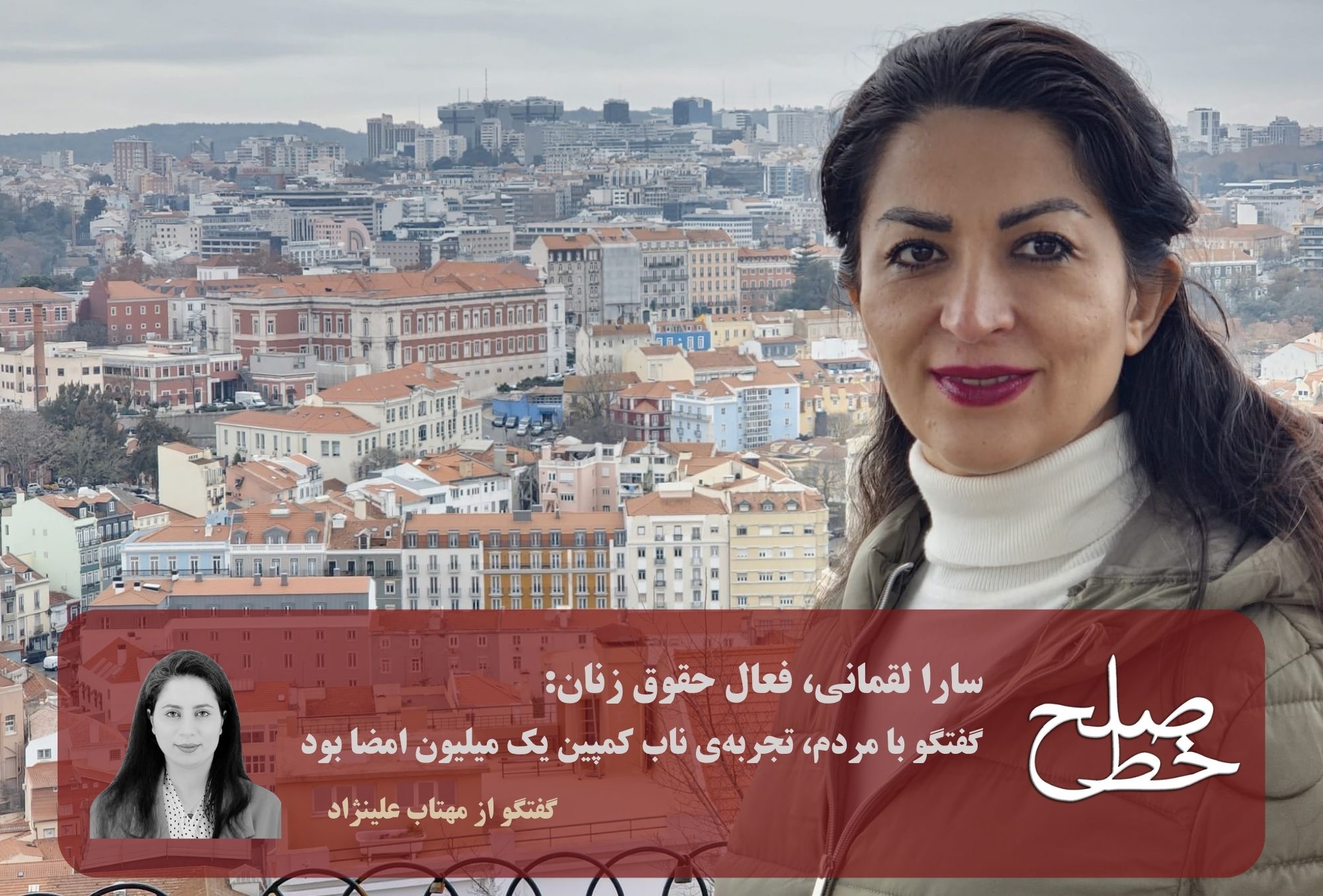
Sara Loghmani: Talking with People Was the One Million Signatures Campaign’s Most Unique Experience/ Mahtab Alinejad
On the twentieth anniversary of the formation of the “One Million Signatures Campaign to Change Discriminatory Laws,” revisiting this experience has once again taken on particular importance. Launched in September 2006 (Shahrivar 1385) with the aim of reforming laws that discriminated against women, the campaign did not limit its activities to collecting signatures. Through direct […]...
Read more By:
Mahtab Alinezhad
By:
Mahtab Alinezhad September 23, 2026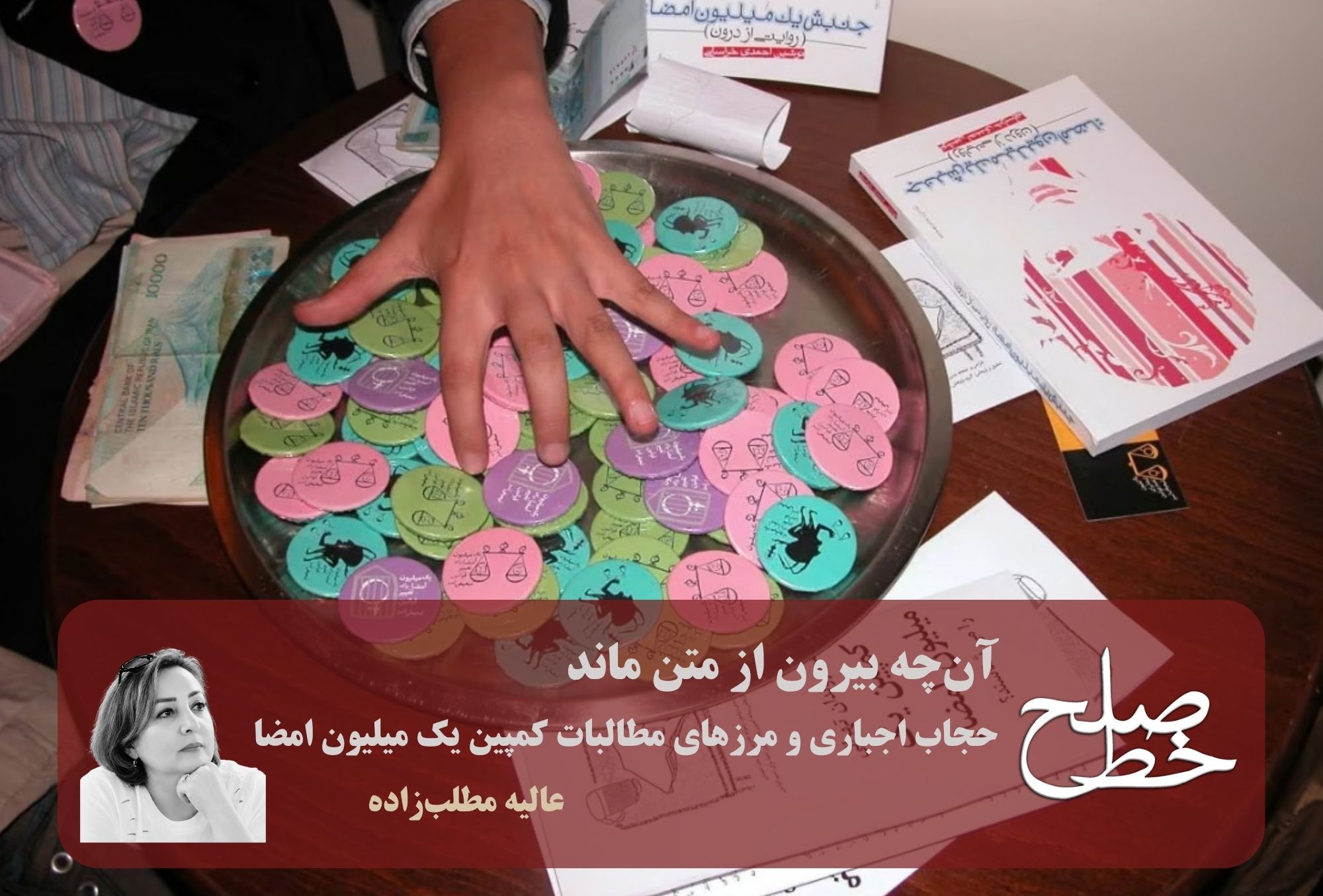
Compulsory Hijab and the Boundaries of the One Million Signatures Campaign’s Demands/ Aliyeh Motalebzadeh
I belong to a generation of women who have spent a large part of their lives in conflict with the Islamic Republic; not only in the streets, in prison, and in civil activism, but also in the media, in photographs and images, in those very places that the government, whenever it has deemed necessary, has […]...
Read more
By:
Aliyeh Motalebzadeh September 23, 2026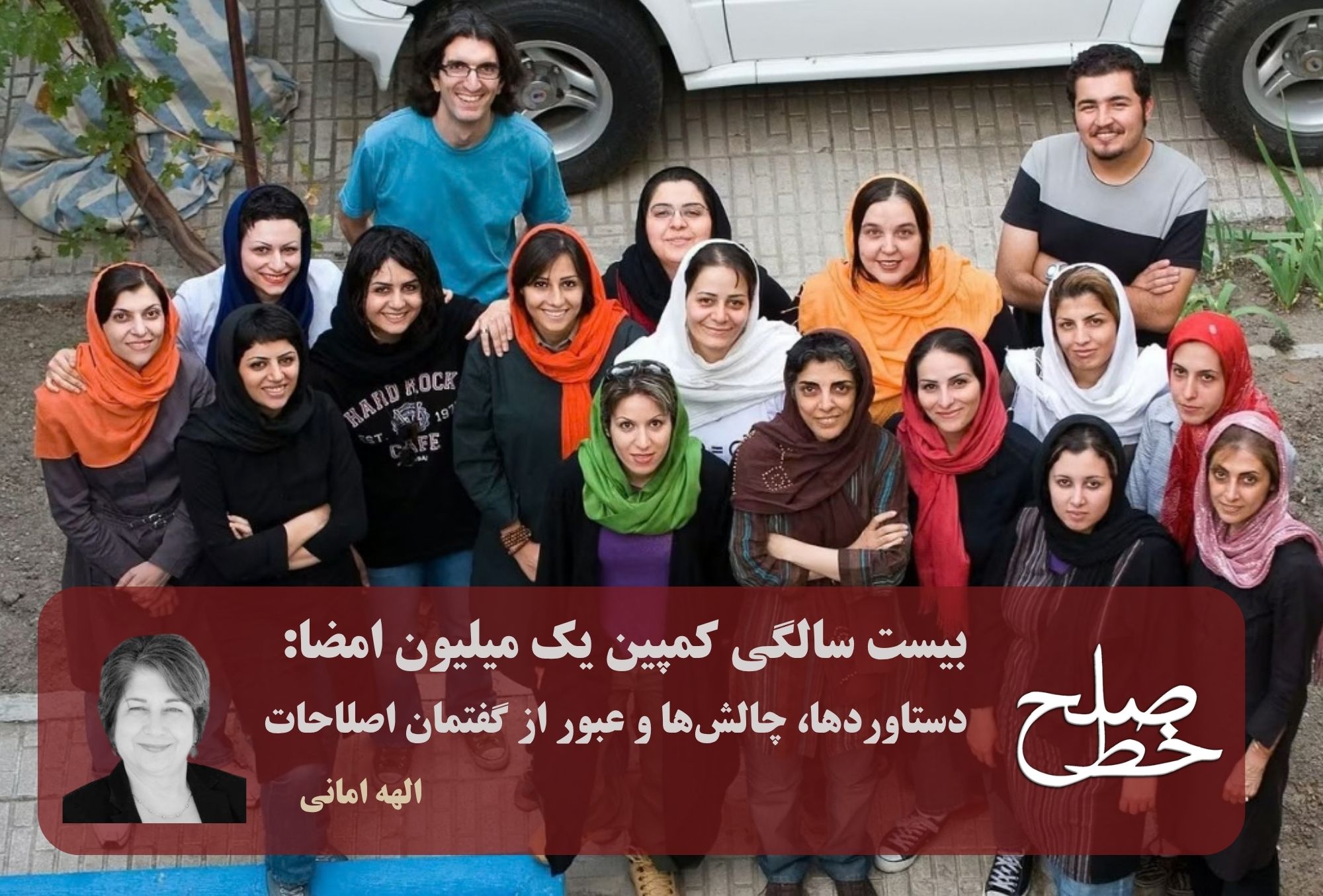
The Twentieth Anniversary of the One Million Signatures Campaign: Achievements, Challenges, and Moving Beyond the Reformist Discourse/ Elahe Amani
The One Million Signatures Campaign in Iran cannot be understood without considering the experience of the women’s movement in Morocco in the early 1990s. Iranian women activists drew inspiration from the Moroccan experience, particularly its use of large-scale signature collection as a tool for social mobilization, raising public awareness, and creating pressure to reform discriminatory […]...
Read more
By:
Elahe Amani September 23, 2026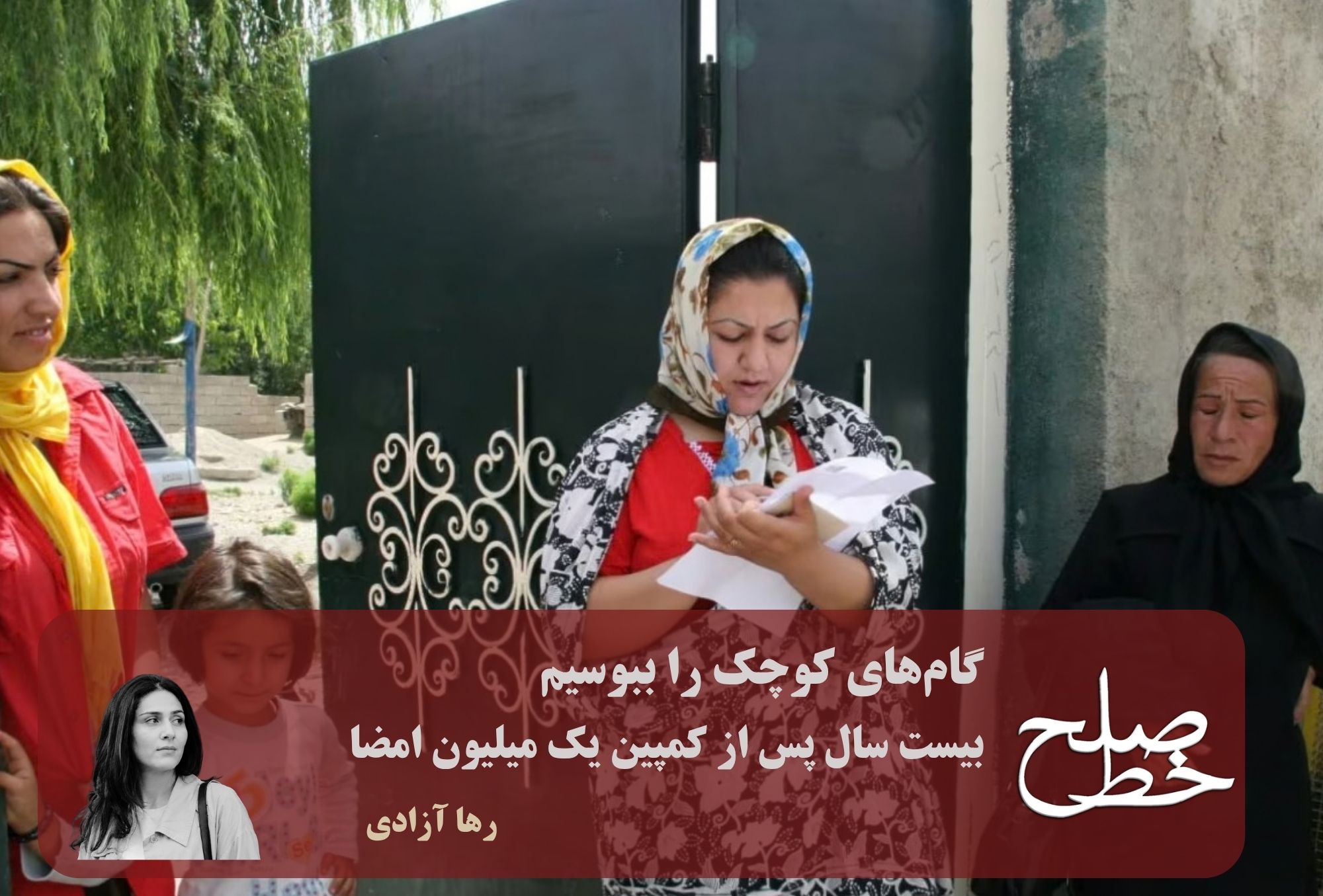
Let’s embrace the small steps/ Raha Azadi
Those who are around my age remember the One Million Signatures Campaign. Just when civil society felt that it had been pushed several steps backward by Mahmoud Ahmadinejad’s presidency, efforts—perhaps struggles—were underway to take steps forward, however small. This was one of them. Its memories now go back twenty years; its website is no longer […]...
Read more
By:
Raha Azadi September 23, 2026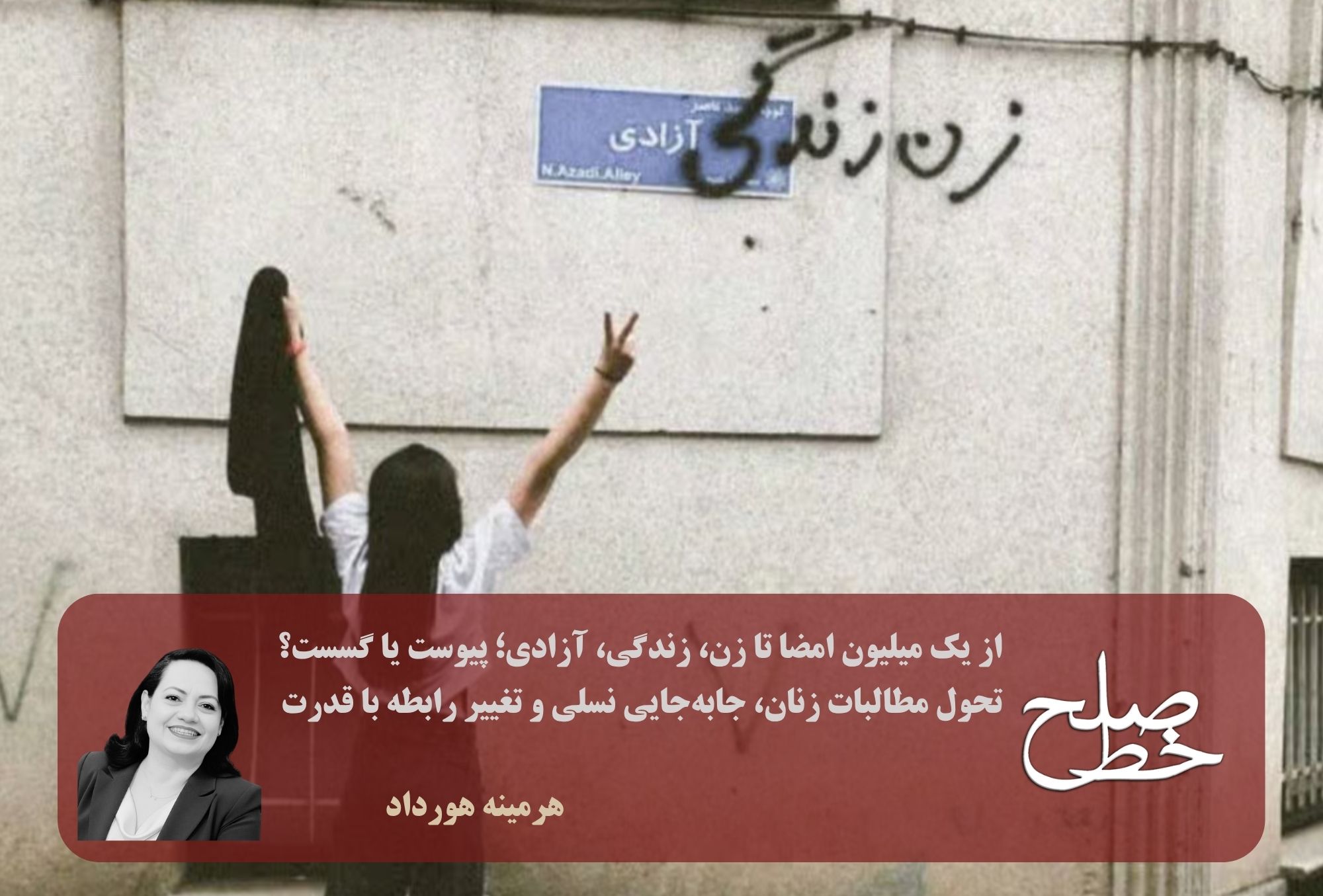
From One Million Signatures to Woman, Life, Freedom: Continuity or Rupture?/ Hermineh Hourdad
When we speak today of the “Woman, Life, Freedom” movement, there is a strong temptation to begin everything in September 2022 (Shahrivar 1401), as though the death of Mahsa (Jina) Amini suddenly gave birth to the questions of women, freedom, and the body in Iranian society. But the memory of the women’s movement tells a […]...
Read more
By:
Hermineh Hourdad September 23, 2026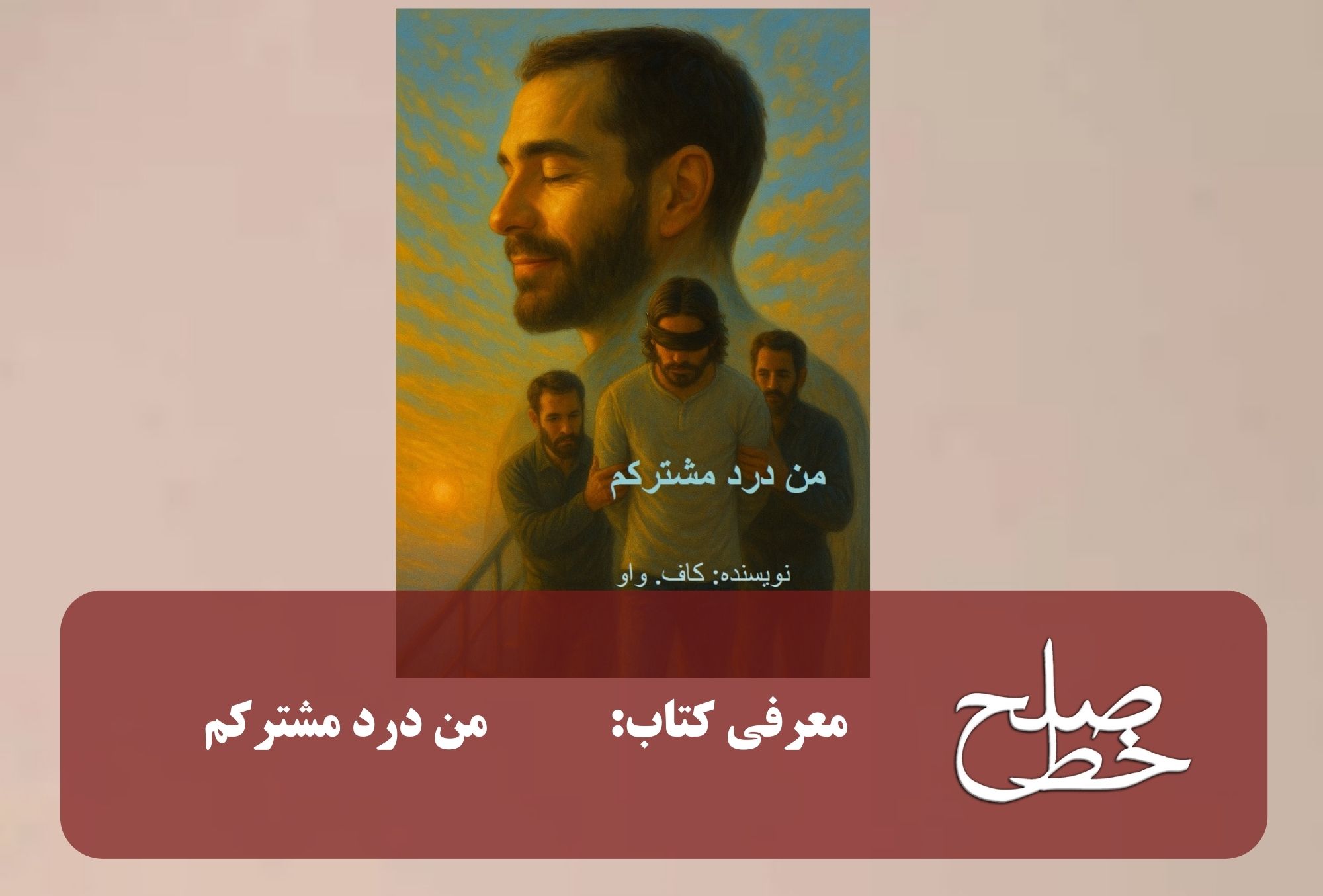
Book introduction: I am a common pain.
My Common Pain is a literary account of the collective experience of a generation that culminated in the “Women, Life, Freedom” uprising in 1401. In this work, the author has not sought to provide accurate and documented historiography, nor a mere retelling of events; rather, by using a fictional narrative, he has attempted to recreate […]...
Read more
By:
Admin September 23, 2025
Final Approval of the Hijab and Chastity Bill Amidst Regional Tensions/ Roza Nateghi
The Hijab and Chastity Bill, which had remained dormant since the death of the former president, was recently revived, shocking the public. Ahmad Rastineh, spokesperson for the Cultural Commission of the Islamic Consultative Assembly, and one of the most hardline parliament members, reignited the issue. Rastineh, a staunch supporter of the Hijab and Chastity Bill […]...
Read more
By:
Roza Nateghi October 22, 2024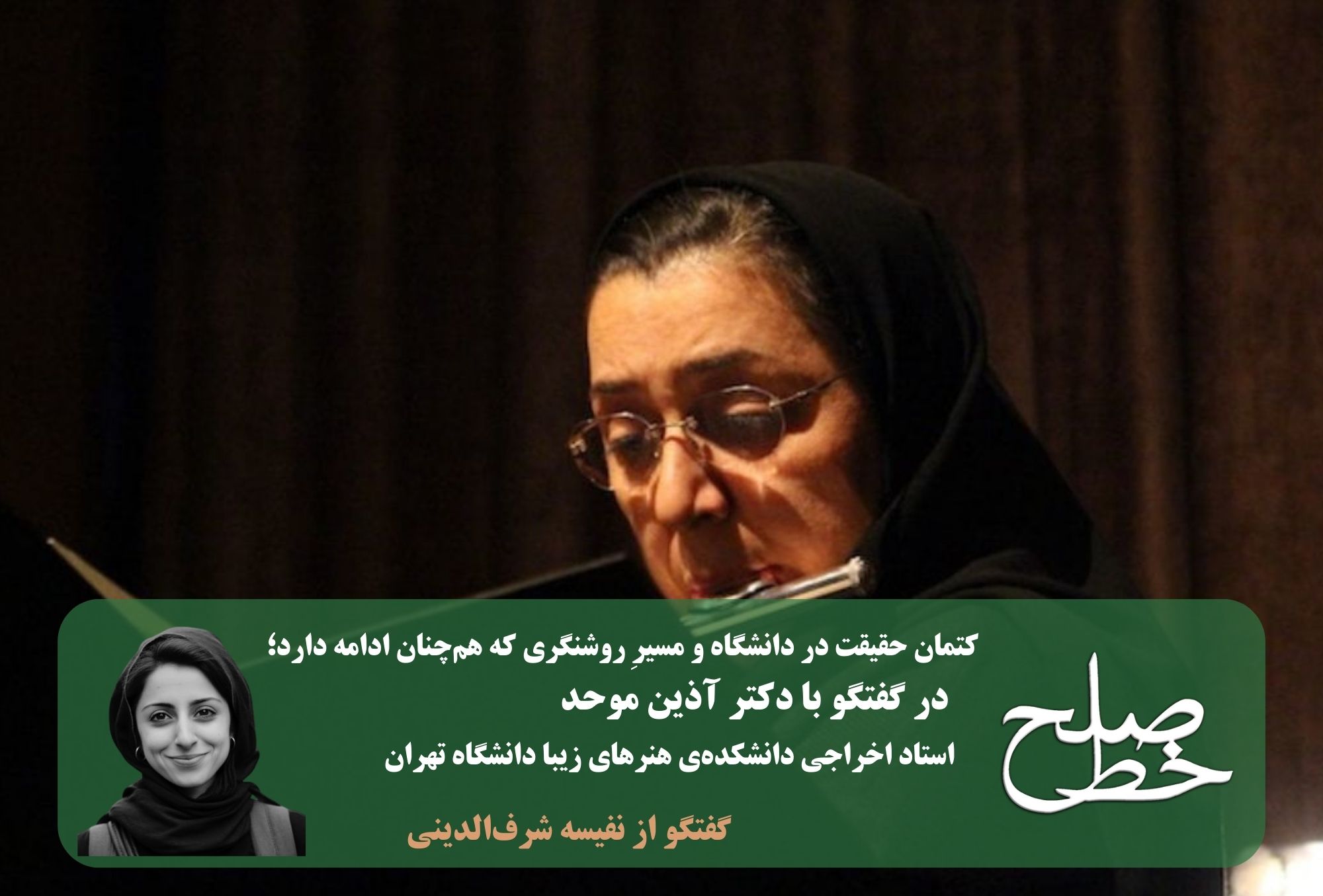
Conversation with Dr. Azin Moheb, Professor of the Faculty of Fine Arts, University of Tehran/ Nafiseh Sharafaldini
During the Mihssa Movement, universities in Iran were one of the main strongholds where the cry of “Women, Life, Freedom” was raised by students and professors. The demands of this section of the scientific community were completely in line with the demands of the people; demands that led thousands of people to take to the […]...
Read more
By:
Nafiseh Sharafaldini September 22, 2024Conversation with Dr. Azin Moheb, Professor of the Faculty of Fine Arts, University of Tehran / Nafiseh Sharafaldini
During the Mihssa movement, Iranian universities were one of the main strongholds where the cry of “Women, Life, Freedom” was raised by students and professors. The demands of this section of the scientific community were completely in line with the demands of the people; demands that led thousands of people from their homes to the […]...
Read more
By:
Nafiseh Sharafaldini September 22, 2024
University or secluded courtyard of security forces?/ Sanctified type.
At the same time as the start of the “Women, Life, Freedom” movement in 1401, students across the country in universities acted as the beating heart of social movements and protests, in response to the death of Mahsa Amini. These protests were so widespread that student organizations – including Islamic associations, trade unions, and even […]...
Read more
By:
Motahreh Goonei September 22, 2024
Exclusion from Education in Iran: From the Cultural Revolution to Tomorrow’s “Mahsa” Movement / Farzaneh Goli
To examine the story of deprivation of education in Iran, we must have a brief and concise look at its history. “Deprivation” is a familiar term for the people of Iran. They have been familiar with this term for centuries and have experienced it with their skin, flesh, and blood. However, the issue of educational […]...
Read more
By:
Fereshteh Goli September 22, 2024
A Look at the Unjust Issuance of Suspensions for Some Students / Dina Ghaleibaf
The right to education is one of the most important human rights. Typically, countries with authoritarian regimes prevent individuals and social groups from accessing education. In Iran, the right to education is only recognized to the extent that it serves the ideology of the ruling regime, not the pursuit and expression of truth. In other […]...
Read more
By:
Dina Ghalibaf September 22, 2024
