


Islamic Penal Law

Prison Inefficiency in the Country; Interview with Dr. Najafi Tavana, Former Head of the Central Bar Association/Pedram Tahsini
Ali Najafi Tavana was born in 1953 in the Alamut region of Qazvin. He completed his primary education in Tonekabon and completed his secondary education at Hafeziyeh High School in the same city. In 1972, he entered the Faculty of Law of the University of Tehran and in 1975, he obtained a Bachelor of Laws […]...
Read more By:
Padram Tahsini
By:
Padram Tahsini July 23, 2026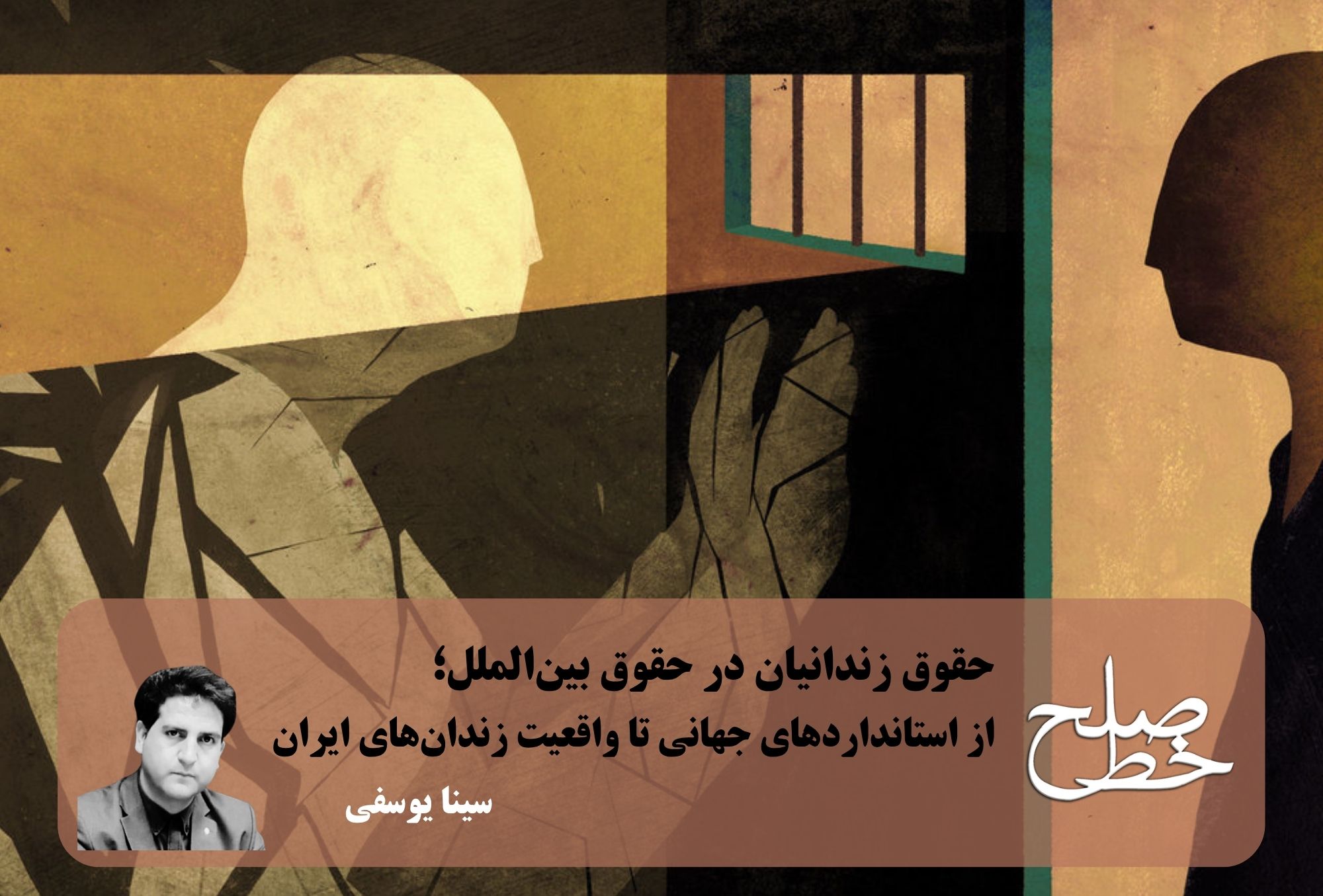
Prisoners’ rights in international law; from global standards to the reality of Iranian prisons/Sina Yousefi
The extent to which a legal system adheres to the rule of law cannot be measured solely through criminal laws or court decisions; one of the most accurate measures of its assessment is the way in which individuals who are deprived of their liberty for any reason are treated. Contrary to popular belief, prison is […]...
Read more
By:
Sina Yousefi July 23, 2026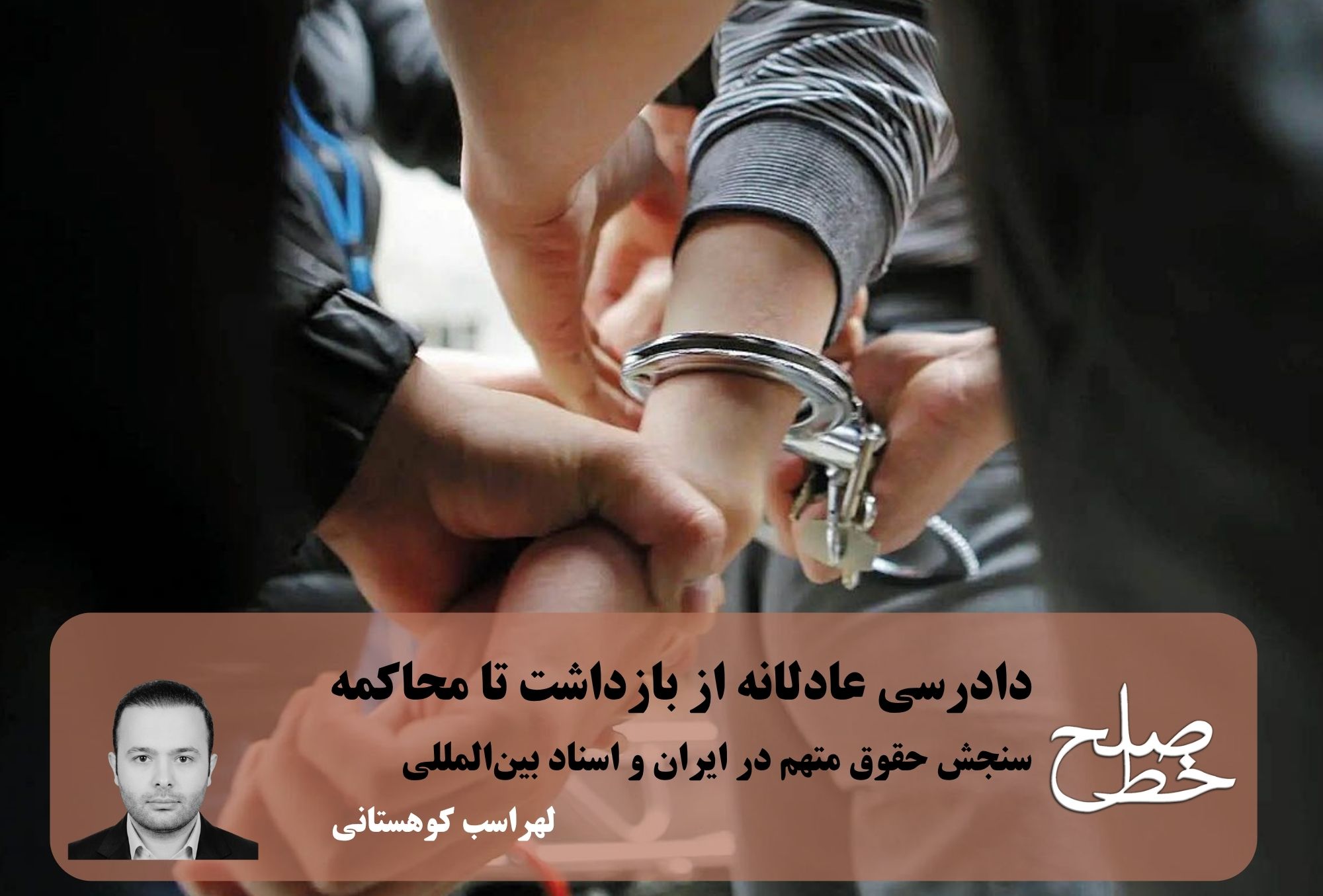
Fair trial from arrest to trial/ Lohrasb Kouhestani
The interval between the moment of arrest and the day of trial is the most sensitive, critical, and at the same time the most vulnerable part of the criminal justice process. It is during this period that the individual is directly confronted with the powerful and organized machine of state prosecution; while his guilt has […]...
Read more
By:
Lohrasb Kouhestani July 23, 2026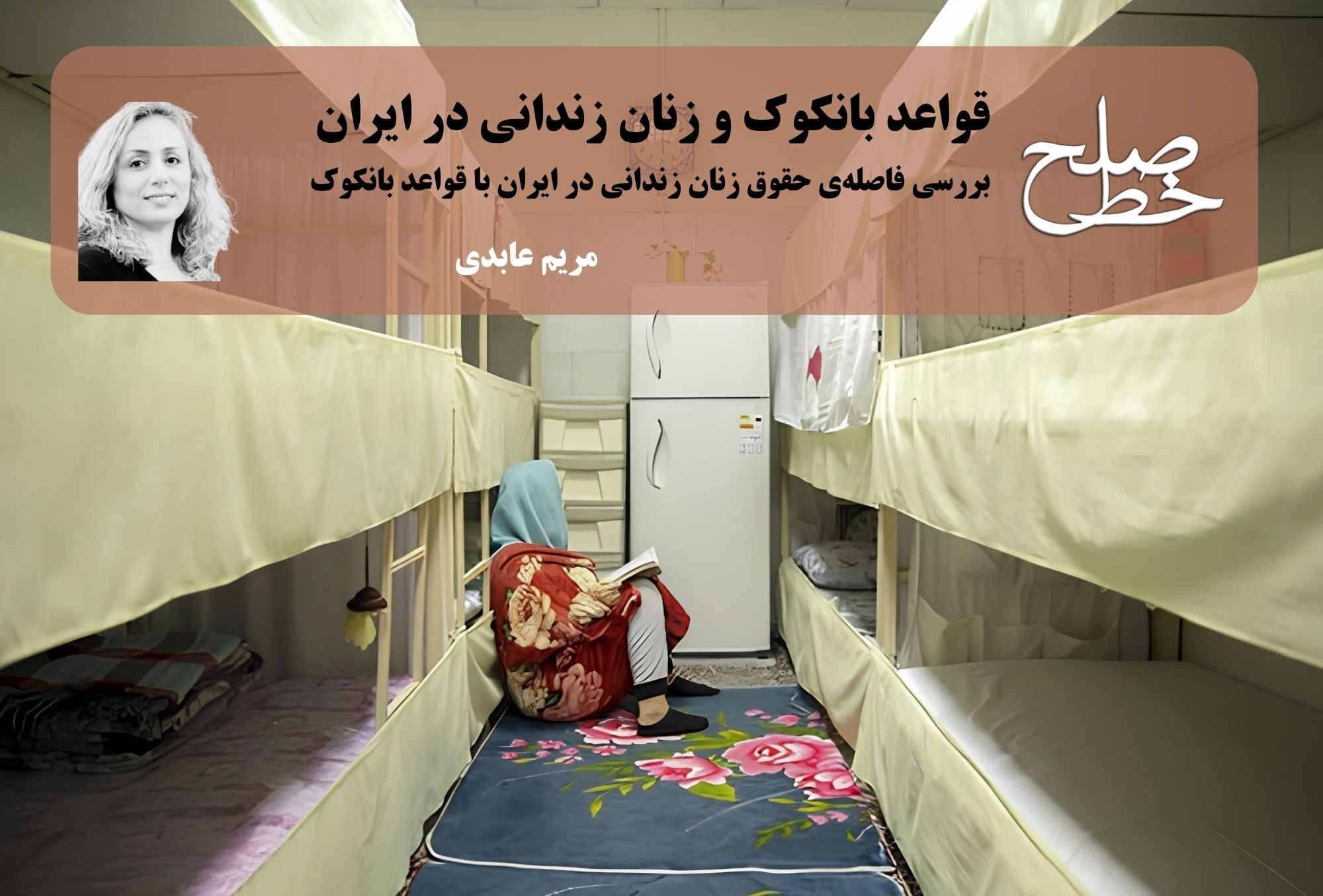
Bangkok Rules and Women Prisoners in Iran/ Maryam Abedi
The protection of human dignity is a fundamental principle of international human rights law and the basis for the treatment of persons deprived of their liberty. Deprivation of liberty refers solely to the deprivation of freedom of movement, and states are still obliged to guarantee the fundamental rights of prisoners, including the right to health, […]...
Read more
By:
Maryam Abedi July 23, 2026
Historical Evolution and Contemporary Challenges of Qisas in Law/ Mostafa Ahmadian
The essence of qisas (retributive justice) has long been based on a natural law: “You kill, you are killed; an eye for an eye, and a tooth for a tooth.” This well-known principle existed long before the emergence of Abrahamic religions. Historical stone carvings—including the Code of Hammurabi, which dates back to 1800 BCE and […]...
Read more
By:
Mustafa Ahmadian January 20, 2025
There is no benefit in retribution except for the healing of the survivors, Mustafa Ahmadian.
In recent years, various campaigns opposing the death penalty have been formed, each considering execution and qisas as the most prominent and dangerous threats to society, whose harmful effects do not release our reality and collective life during this era of history. Nevertheless, our criminal justice policy, in response to these collective movements, has generally […]...
Read more
By:
Mustafa Ahmadian November 21, 2024
Legal Review of the Execution Sentence of “Sharifeh Mohammadi” / Ehsan Haghi
It has been a few days since the news of the death sentence for “Sharifeh Mohammadi” has caused great sadness and anger in the Iranian society. This sentence was issued by the first branch of the Revolutionary Court in Rasht, with the charge of “rebellion”. “Examining the legal aspects of this ruling is challenging for […]...
Read more
By:
Ehsan Haghi August 22, 2024
Is an unjust law still a law?/ Mohammad Hadi Jafarpour
One of the most important issues that is currently being discussed in society is determining the boundary of “civil disobedience” with law-breaking, legalism, and the religious term “oppression”. The attention to this issue has led to the question of the relationship between ethics and law, justice and ethics, or in a religious perspective, the interaction […]...
Read more
By:
Mohammad Hadi Jafarpour August 22, 2024
“Intervention of repentance in judicial matters and reminding of repentance; conversation with Sadegheh Vasemghi/ Ali Kalaii”
In the first half of Tir month 1403, in the aftermath of the helicopter crash of Ebrahim Raisi and preparations for the election of the 14th government of the Islamic Republic, the head of the judiciary announced a set of guidelines that, if discussed in a different context, could have sparked many debates and opinions. […]...
Read more
By:
Ali Kalaei July 22, 2024
Repentance in the trap of Satan; in conversation with Reza Kazemzadeh/ Dina Ghalibaf
If we sit down to read the accounts of political prisoners in the prisons of the Islamic Republic in the 1960s, it is impossible not to hear about the policy of repentance during this time; a process in which political prisoners were forced to repent by interrogators and prison officials, and despite their shame and […]...
Read more
By:
Dina Ghalibaf July 22, 2024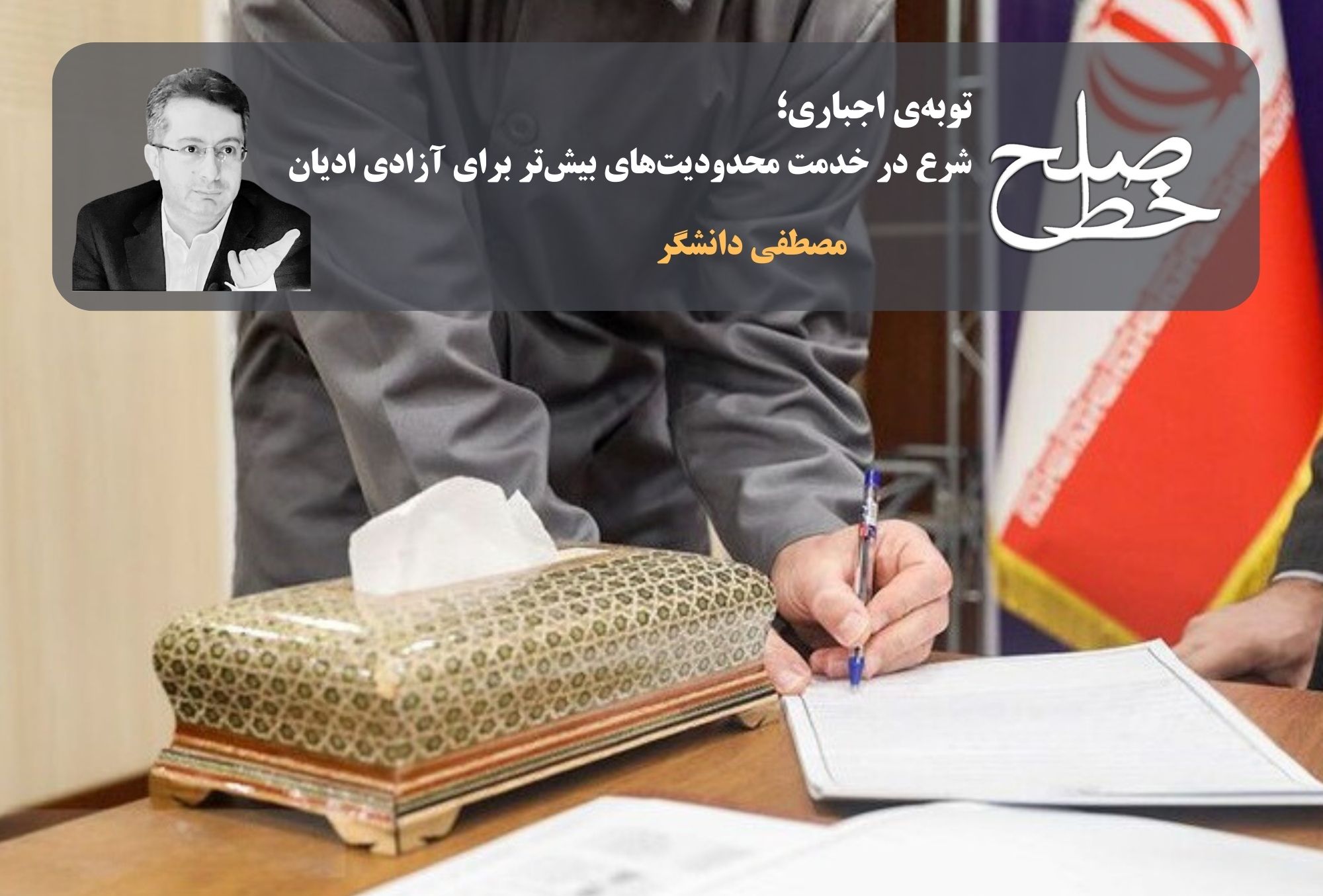
Compulsory repentance; a law in service of more restrictions for religious freedom / Mostafa Daneshgar
Domestic news agencies have reported the announcement of the “Repentance Verification” guidelines by the head of the judiciary. Although the reason for this announcement is stated as the legitimate and legal establishment of repentance in judicial institutions and its significant role in reforming and educating criminals and preventing the repetition of crimes, it can potentially […]...
Read more
By:
Mustafa Daneshgar July 22, 2024
The story of the sorrowful repentance and redemption in the 1960s/ Reza Alijani
According to the jurisprudential and legal laws governing the courts of the Islamic Republic, repentance of criminals can be effective in the severity of the sentence issued against them. Articles 114 to 119 of the Islamic Penal Code pertain to repentance and its methods of verification. It should be noted that most of these substances […]...
Read more
By:
Reza Alijani July 22, 2024
