


Women’s rights
A Public Circle Around a Private Suffering/ Nasim Khosravi
It is a hot afternoon in June 2008 (Khordad 1387), at the entrance of a hospital in central Tehran. A distressed woman asks passersby for help contacting her child’s paternal uncle. The child must undergo surgery as soon as possible, and her signature on the consent form is not acceptable. The father, who separated from […]...
Read more By:
Nasim Khosravi
 September 23, 2026
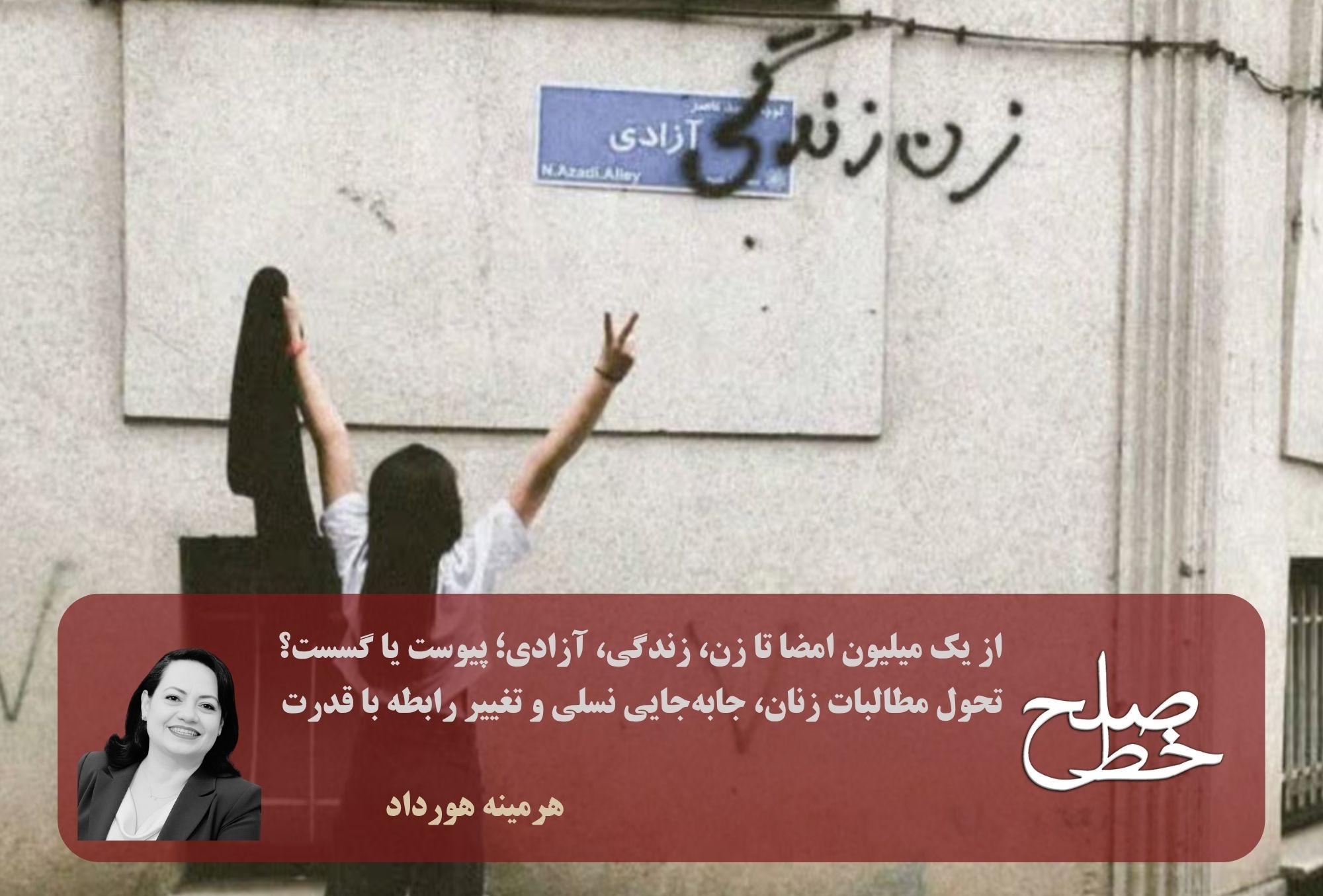
From One Million Signatures to Woman, Life, Freedom: Continuity or Rupture?/ Hermineh Hourdad
When we speak today of the “Woman, Life, Freedom” movement, there is a strong temptation to begin everything in September 2022 (Shahrivar 1401), as though the death of Mahsa (Jina) Amini suddenly gave birth to the questions of women, freedom, and the body in Iranian society. But the memory of the women’s movement tells a […]...
Read more
By:
Hermineh Hourdad September 23, 2026
Twenty Years of Transformation in Iranian Women’s Activism/ Diako Moradi
Twenty years after the launch of the “One Million Signatures Campaign to Change Discriminatory Laws,” revisiting this experience becomes meaningful when we assess it not only by the number of signatures that were supposed to be collected or the laws that were supposed to be changed, but by the impact it had on forms of […]...
Read more
By:
Diako Moradi September 23, 2026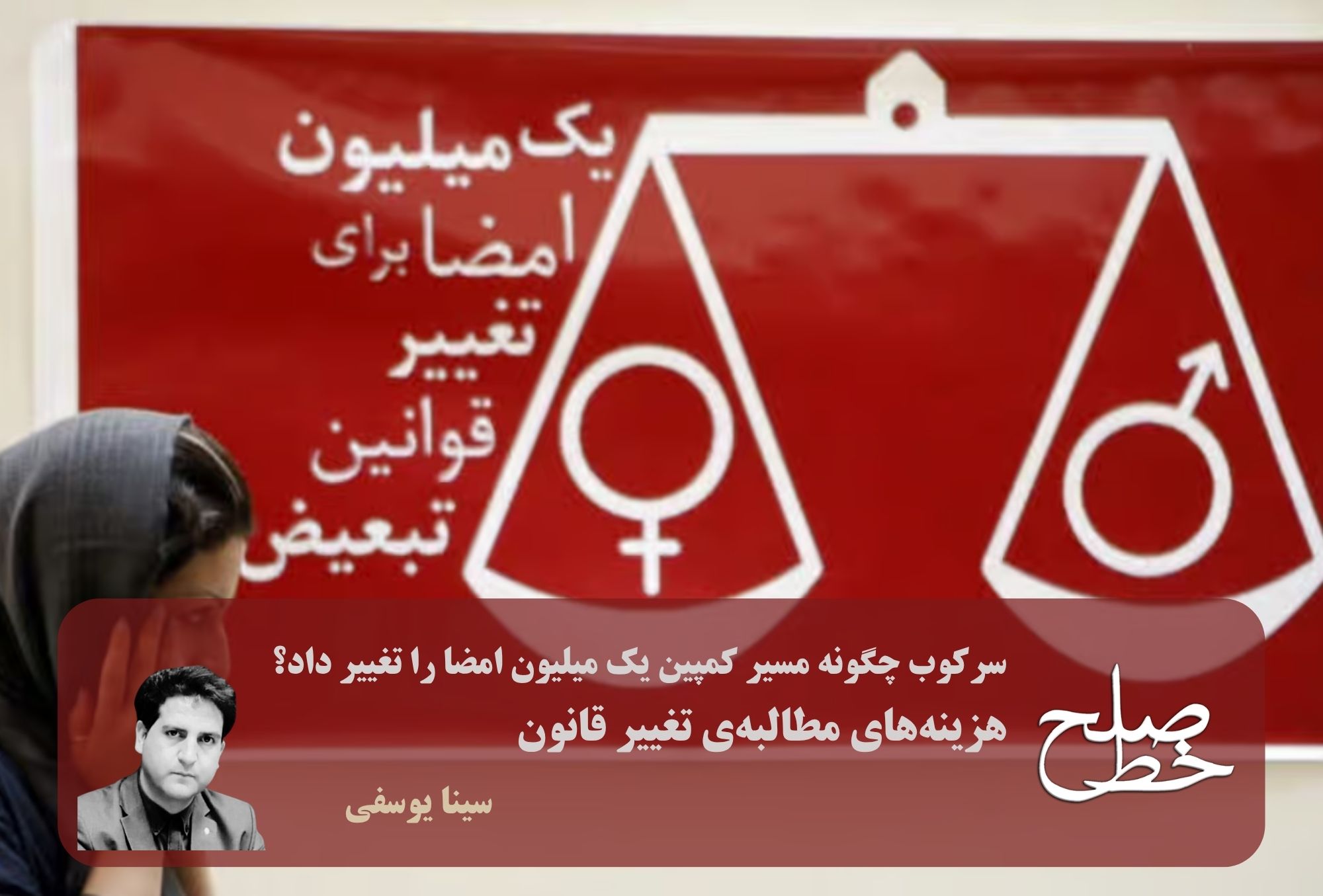
How Did Repression Change the Course of the One Million Signatures Campaign?/ Sina Yousefi
The twentieth anniversary of the One Million Signatures Campaign provides an opportunity to revisit one of the most important experiences of Iran’s women’s movement. It was an experience that, in the mid-2000s, sought to move the demand for legal equality from the realm of specialized discussions and limited circles of activists into the sphere of […]...
Read more
By:
Sina Yousefi September 23, 2026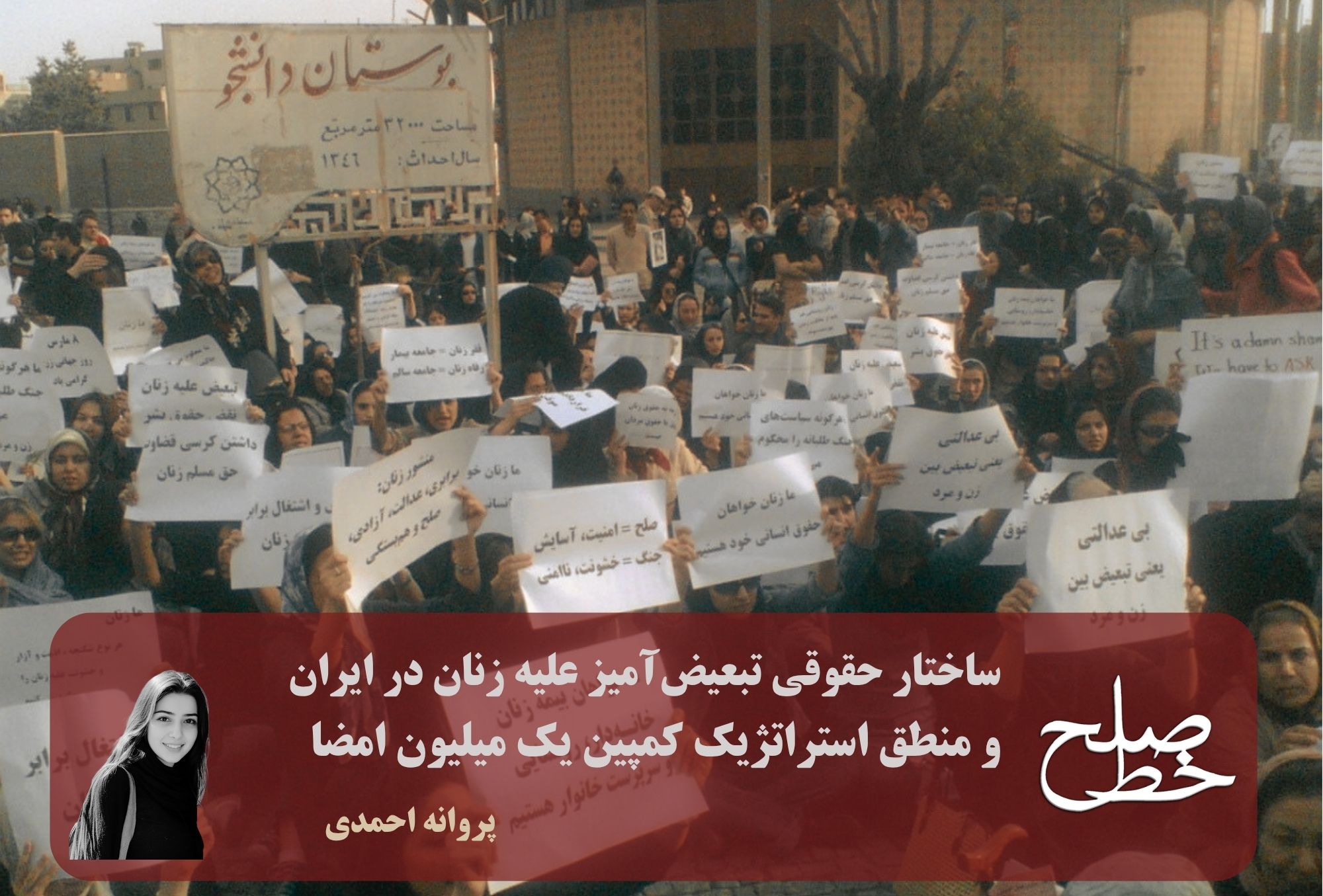
The Discriminatory Legal Structure Against Women in Iran and the Strategic Logic of the One Million Signatures Campaign/ Parvaneh Ahmadi
The legal, social, and political status of women in contemporary Iranian history, particularly in the decades following the establishment of the Islamic Republic in 1979 (1357), has always been marked by profound contradictions and complexities. On the one hand, as time has passed, Iranian society has witnessed the dynamism and extensive presence of women in […]...
Read more
By:
Parvaneh Ahmadi September 23, 2026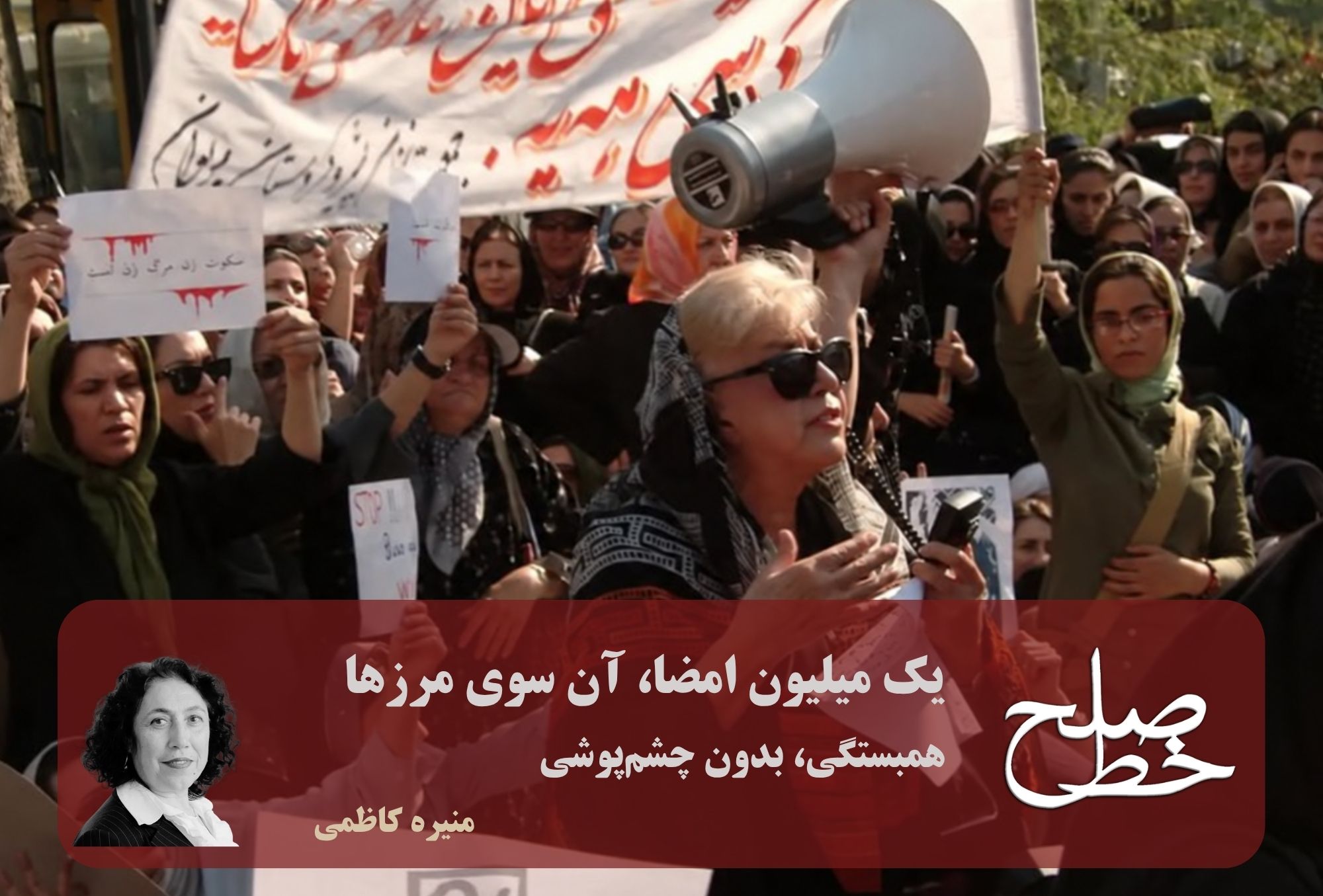
One Million Signatures, Beyond the Borders/ Monireh Kazemi
Throughout different periods of history, there have always been Iranian migrants and exiles. What distinguishes this era from previous ones, however, is, first, their large numbers and widespread dispersal across different parts of the world and, second, their constant exploration of their personal pasts and Iran’s recent history—an exploration accompanied by a sense of longing […]...
Read more
By:
Monireh Kazemi September 23, 2026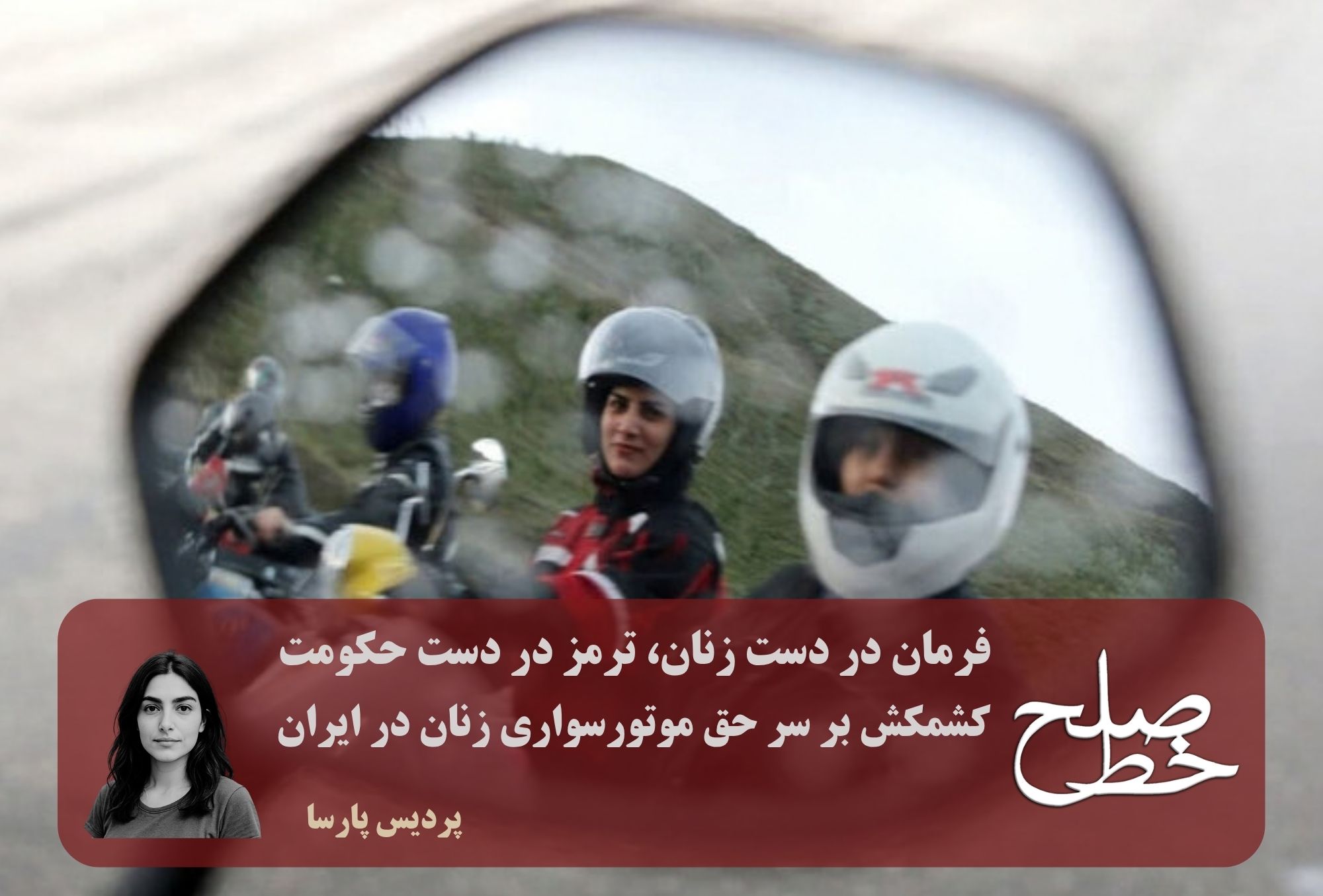
Women at the Helm, the Government on the Brakes/ Pardis Parsa
Today in Iran, motorcycles and electric scooters have evolved from recreational vehicles or means of transportation associated with particular social classes into essential tools for earning a livelihood and for fast, inexpensive transportation. Nevertheless, the absence of a single, transparent procedure for issuing licenses to half of the country’s population has pushed women motorcyclists into […]...
Read more
By:
Pardis Parsa September 23, 2026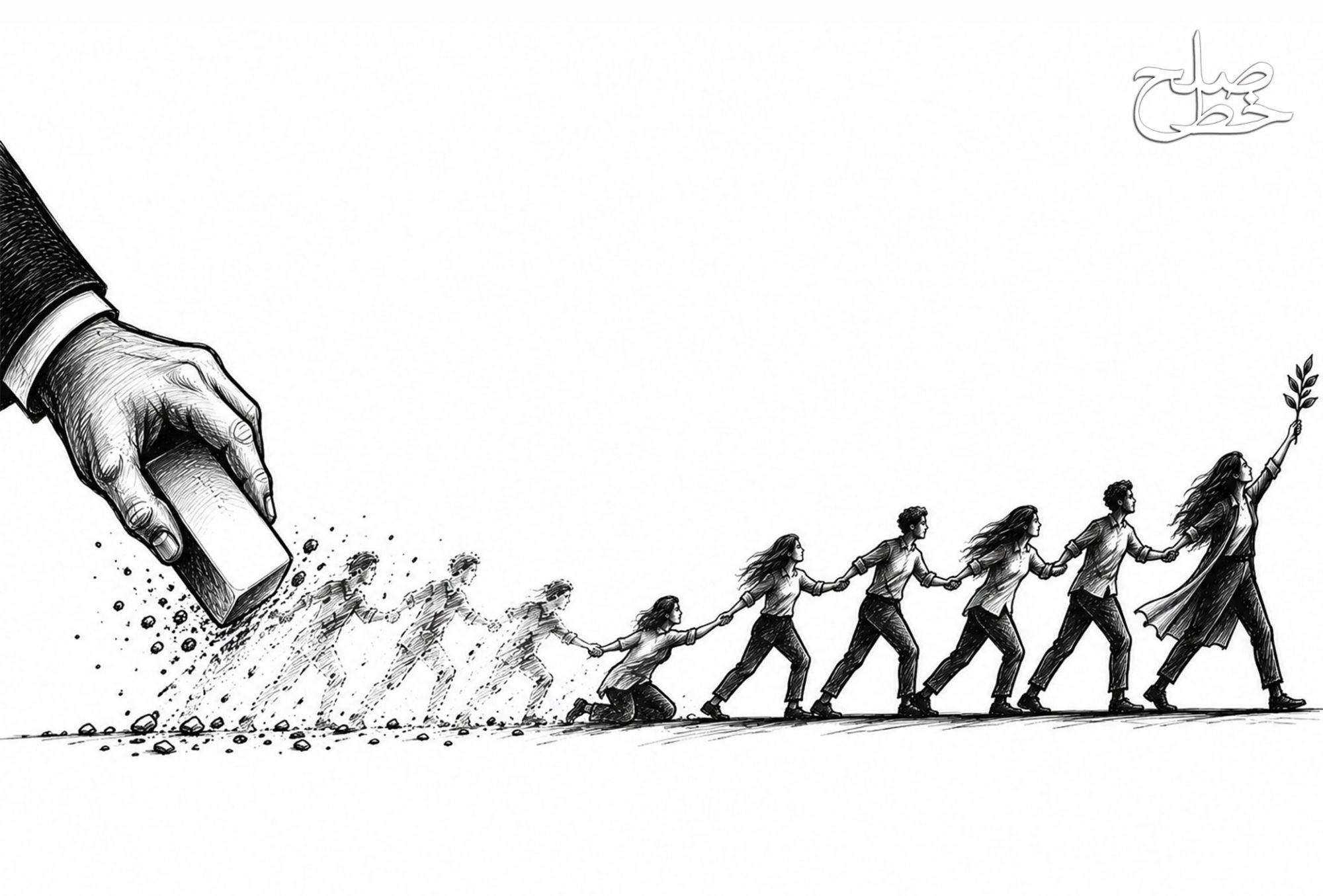 By:
Admin September 23, 2026
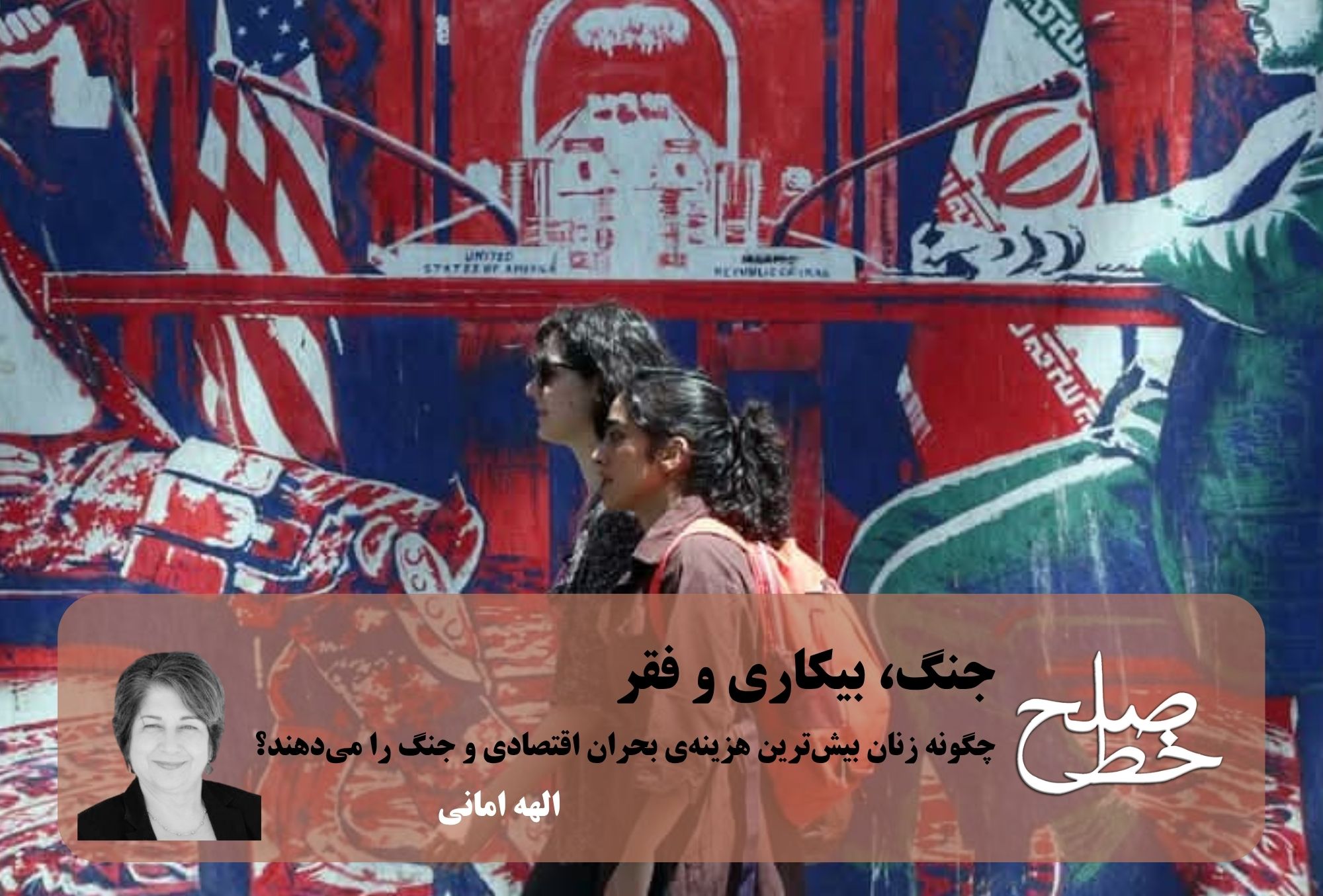
How do women pay the highest price for economic crisis and war?/ Elahe Amani
War fundamentally transforms the labor market by destroying infrastructure, massive population displacement, collapsing economic activity, disrupting education and health systems, and rupturing social networks. Although the consequences of war affect all segments of society, its economic effects on women are deeper and more lasting, as women not only face reduced job opportunities, income, and economic […]...
Read more
By:
Elahe Amani July 23, 2026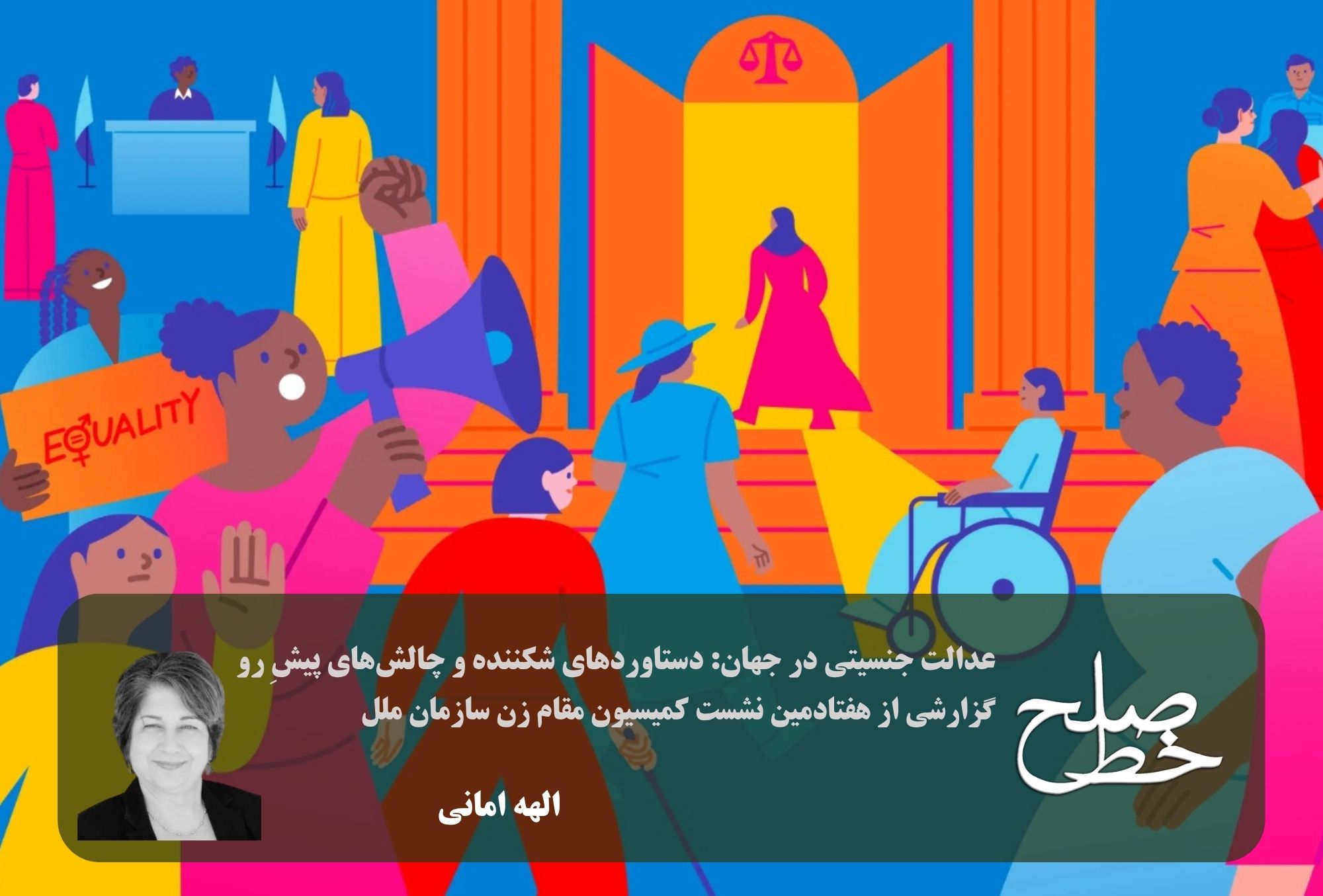
Gender Justice in the World: Fragile Achievements and Challenges Ahead / Elaheh Amani
The seventieth session of the United Nations Commission on the Status of Women (CSW70) was held from March 9 to March 19, 2026, at the United Nations Headquarters in New York. The theme of this session was “Ensuring and strengthening access to justice for all women and girls,” and it encompassed axes such as “promoting […]...
Read more
By:
Elahe Amani March 21, 2026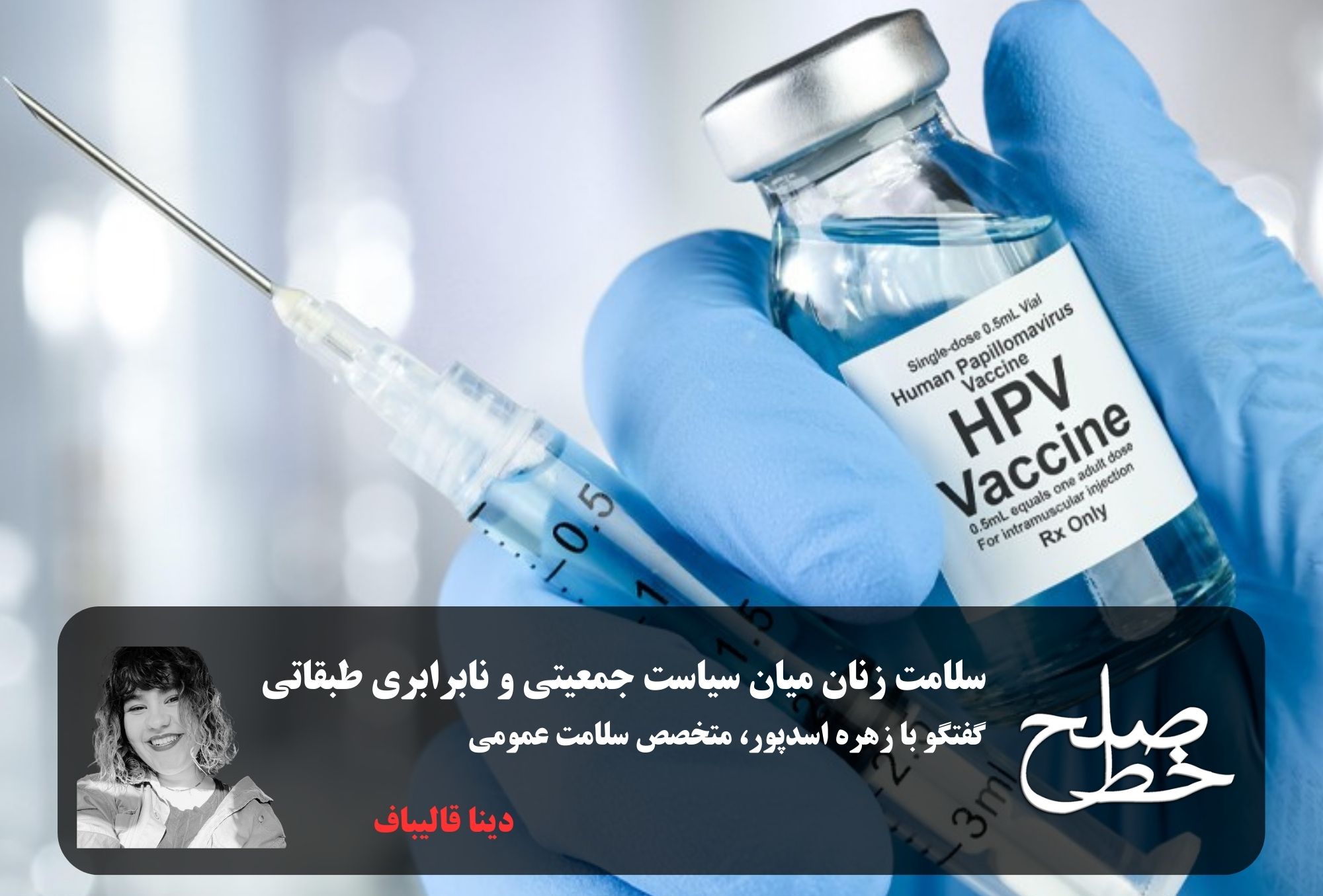
Women’s Health Between Population Policy and Class Inequality / Dina Ghalibaf
Following the sudden and quiet removal of the Iranian “Papilloguard” vaccine from pharmacies across the country, women who had been awaiting national vaccination to prevent infection with the human papillomavirus (HPV) have been forced to turn to foreign vaccines at prices several times higher—vaccines whose cost is incompatible with the economic circumstances of many women. […]...
Read more
By:
Dina Ghalibaf February 20, 2026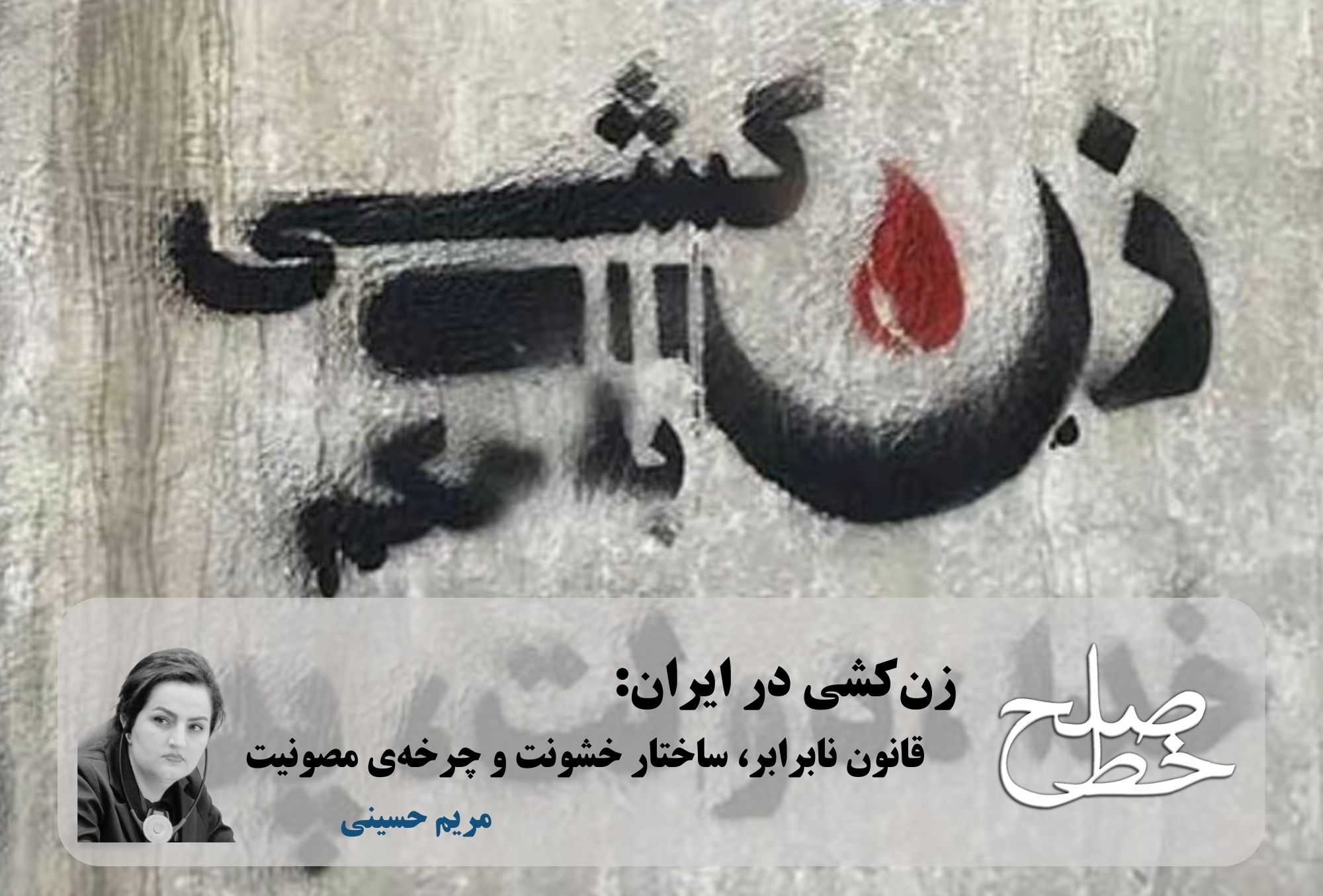
Femicide in Iran: Unequal Law, Violent Structures, and the Cycle of Impunity / Maryam Hosseini
Femicide in Iran is a crisis phenomenon that reflects deep gender inequalities, legal gaps, and a culture of male dominance. The increase in the number of women being murdered, along with the absence of a strong legal framework that specifically addresses the killing of women based on gender, has raised concerns that some of these […]...
Read more
By:
مریم حسینی November 22, 2025
