


The war between Iran and Israel.
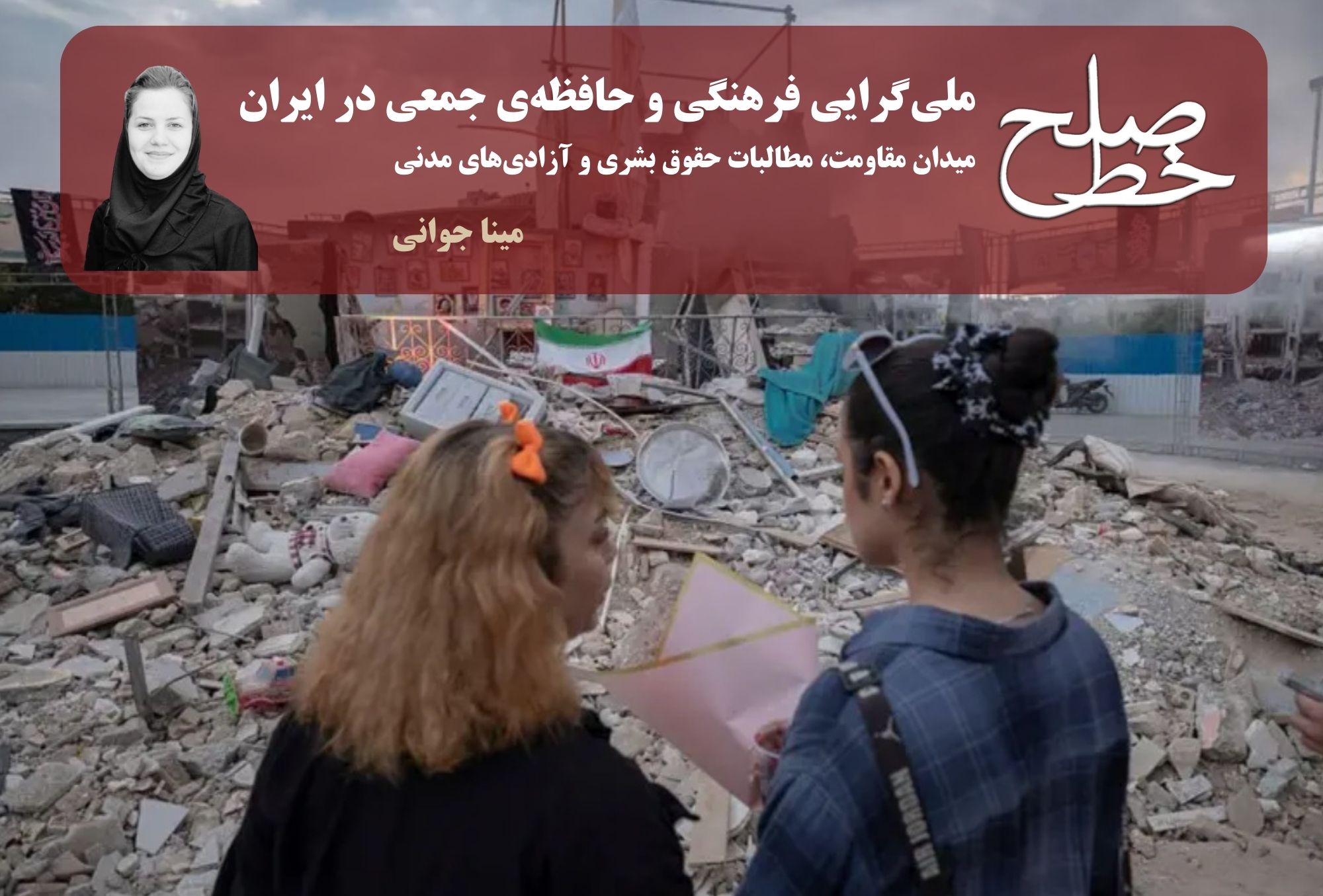
Cultural Nationalism and Collective Memory in Iran/ Mina Javani
Collective memory in societies grappling with political crises and repressive structures functions not merely as a recollection of the past, but as a space for cultural resistance, redefinition of social identity, and advocacy for human rights. In contemporary Iran, the representation of national symbols—ranging from flags and cultural rituals to patriotic poetry and music—has taken […]...
Read More Created By:
Mina Javani
Created By:
Mina Javani September 23, 2025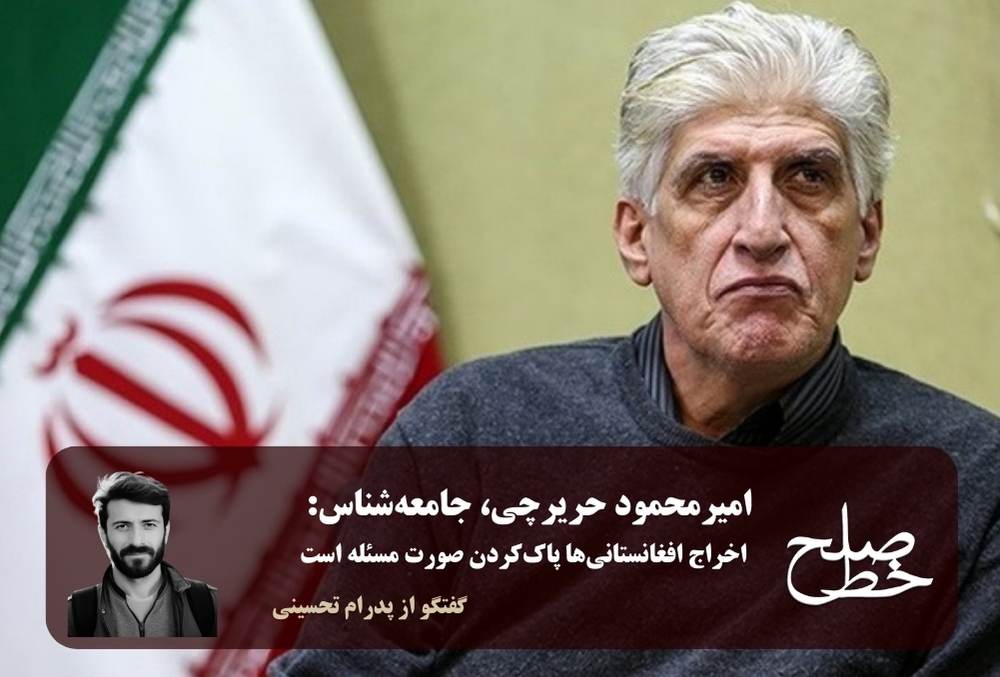
Amir Mahmoud Harirchi: Deporting Afghans is just sweeping the problem under the rug/ Pedram Tahsini
Migration is not a new story; it is an ancient narrative embedded in the annals of every nation’s history — filled with tales both great and small, of triumphs and defeats. But for the people of Afghanistan, this narrative is steeped in sorrow. It is a historical pain for our eastern neighbor, who also happens […]...
Read More
Created By:
Padram Tahsini August 23, 2025
Hope or fear after the ceasefire?/ Majid Shia Ali
The twelve-day war has ended, but the war conditions have not ended. The shadow of war still looms over Iranian society. The threat of war, missile attacks, explosions, assassinations, and Israeli security operations in Iran are still serious. The continuation of the war situation, the inability of the government to take action to address […]...
Read More
Created By:
Majid Shia’ali August 23, 2025
Cold peace as a model of governance in the post-crisis era/ Mina Javani
After the end of the twelve-day war, the situation in Iran has seemingly entered a phase of stability; a phase that in political discourse is referred to as “mutual restraint” or “controlled tension”, but at a structural level, it is not only a sign of a return to normalcy, but also a continuation of the […]...
Read More
Created By:
Mina Javani August 23, 2025
The Social Massacre of Afghan Immigrants / Amin Ghazaei
After the 12-day war between Iran and Israel, the Iranian government, which saw its security structure collapse, resorted to blind arrests and expulsions of over half a million Afghan nationals in just sixteen days. The Islamic Republic claimed that these unauthorized individuals were acting against national security and in favor of Israel. It is not […]...
Read More
Created By:
Amin Ghazaie August 23, 2025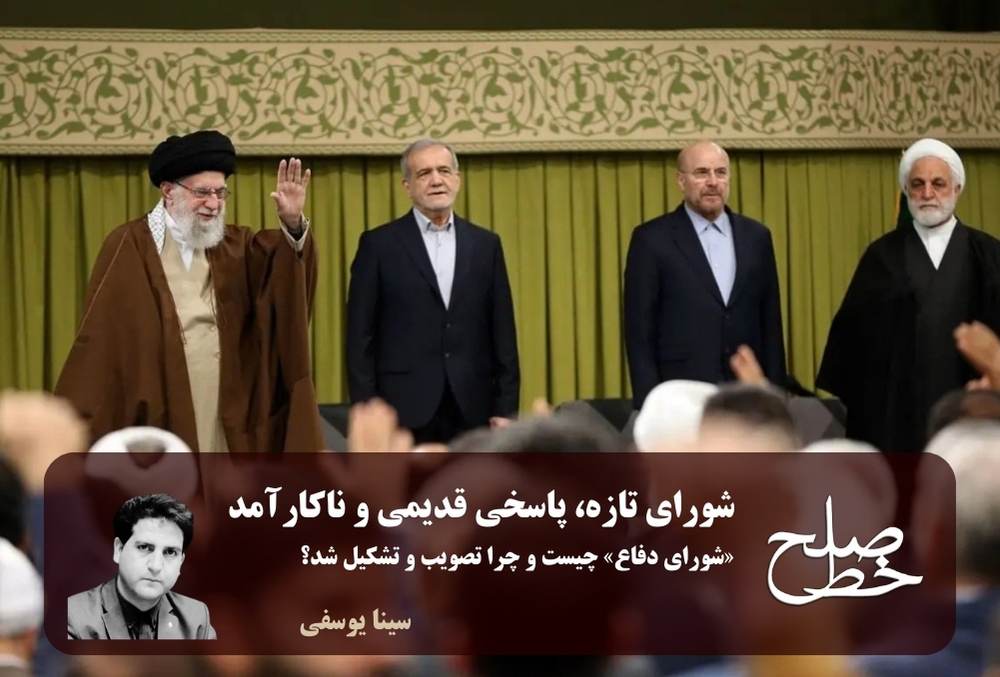
What is the ‘Defense Council’ and why was it approved and formed? / Sina Yousefi
In the month of Khordad of this year, Iran witnessed one of the shortest and most expensive military confrontations, known as the 12-day war. This war not only targeted vital infrastructure of Iran, including sensitive nuclear facilities and defense systems, but also exposed deep-rooted weaknesses in the structure of the Islamic Republic’s defense and security. […]...
Read More
Created By:
Sina Yousefi August 23, 2025
New Control Tool: Critics’ SIM Card Disconnect/ Fereshteh Goli
Nowadays, having a SIM card is one of the necessities of life in the digital and virtual world, and any deprivation of this right for anyone can be considered a tragedy. The International Telecommunication Union (ITU) has emphasized the importance of access to communication tools as a human right in several official documents, especially in […]...
Read More
Created By:
Fereshteh Goli August 23, 2025
The right to access the internet is suspended/ Mohammad Hadi Jafarpour
A few days before the start of the twelve-day war, the issue of internet classification caused some political and civil activists to criticize the decision, referring to the president’s promise to remove filtering. Such restrictions on citizens’ rights are being imposed while in the country’s political-judicial structure, various rules and laws have been formulated and […]...
Read More
Created By:
Mohammad Hadi Jafarpour August 23, 2025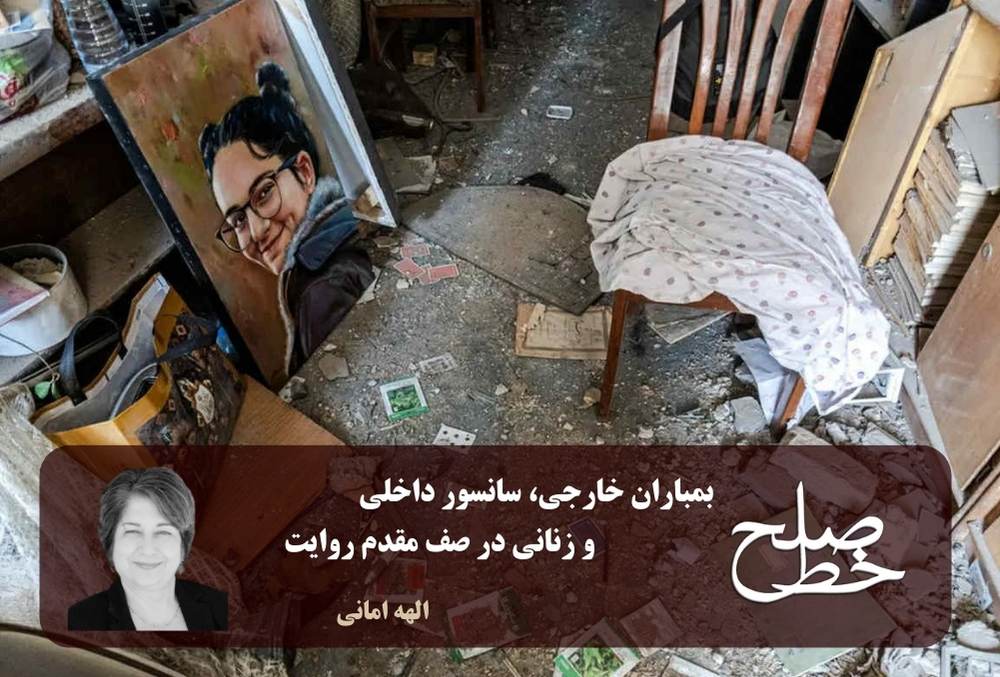
During the external bombardment, internal censorship and women in the forefront of the narrative / Elaheh Amani
“In war, women and children are the first victims, even before the conflicts begin seriously.”.* War is gendered, not neutral. The wounds of war are not only on bodies, but also in lives that are forever changed, and it is women who carry these wounds silently. The costs and consequences of war disproportionately burden […]...
Read More
Created By:
Elahe Amani August 23, 2025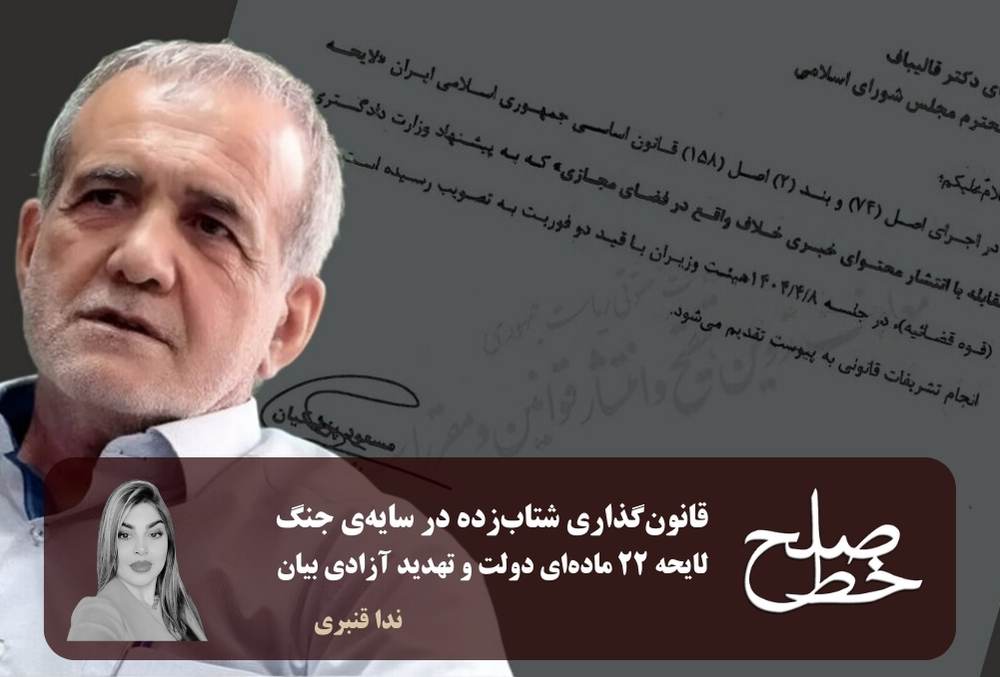
Legislating in the Shadow of War / Neda Qanbari
When asked about the 12-day war and its consequences, my mind doesn’t go to anything but images of destruction and the sound of bomb explosions. I think more about the days when “silence” after the war was heavier than any explosion, engulfing the entire country. In those moments, just when we expected peace after the […]...
Read More
Created By:
Neda Ghanbari August 23, 2025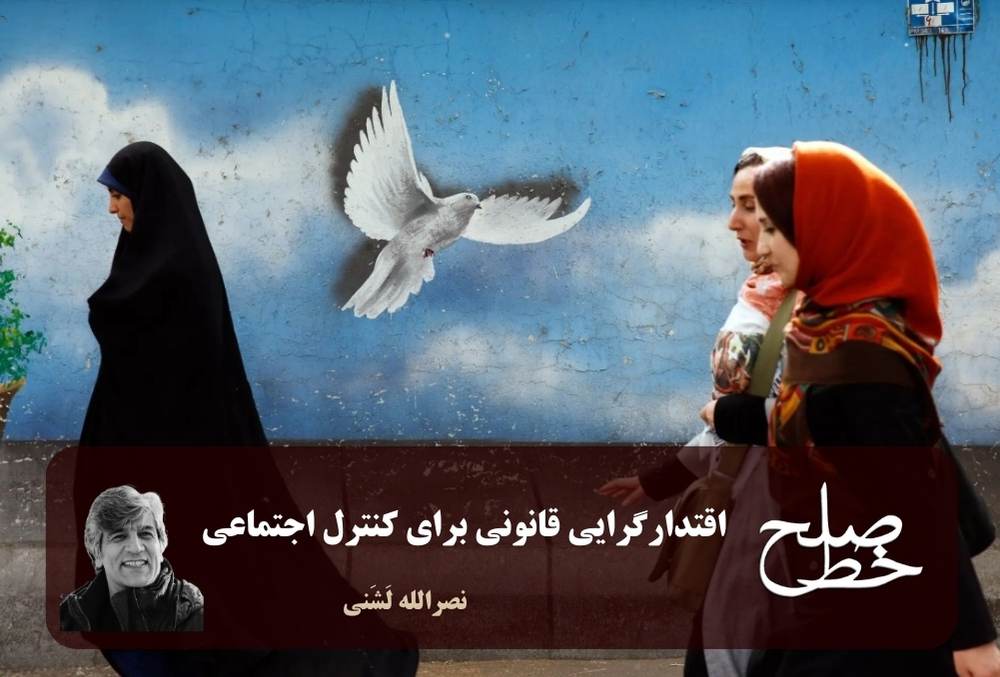
Legal Authoritarianism for Social Control/ Nasrollah Lashani
The importance of the constitution in establishing and solidifying democracy is a legacy of the American Revolution. After the victory of the American Revolution and the independence of this country from British monarchy, the revolutionaries emphasized and focused on the drafting and regulation of the constitution, striving to carefully and skillfully design a national covenant […]...
Read More
Created By:
Nasrollah Lashni August 23, 2025
Parvaneh Salahshouri: If This Stubbornness Toward the People Continues, Predicting the Future Will Be Difficult / Ali Kalaei
In the aftermath of the twelve-day war and the suspension that has cast a shadow over Iranian society and daily life, we spoke with Dr. Parvaneh Salahshouri—sociologist and former member of the Iranian Parliament—to ask her about the government’s handling of the war, her analysis of Iranian society—often regarded by many sociologists as a movement-oriented […]...
Read More
Created By:
Ali Kalaei July 23, 2025
