


Social networks
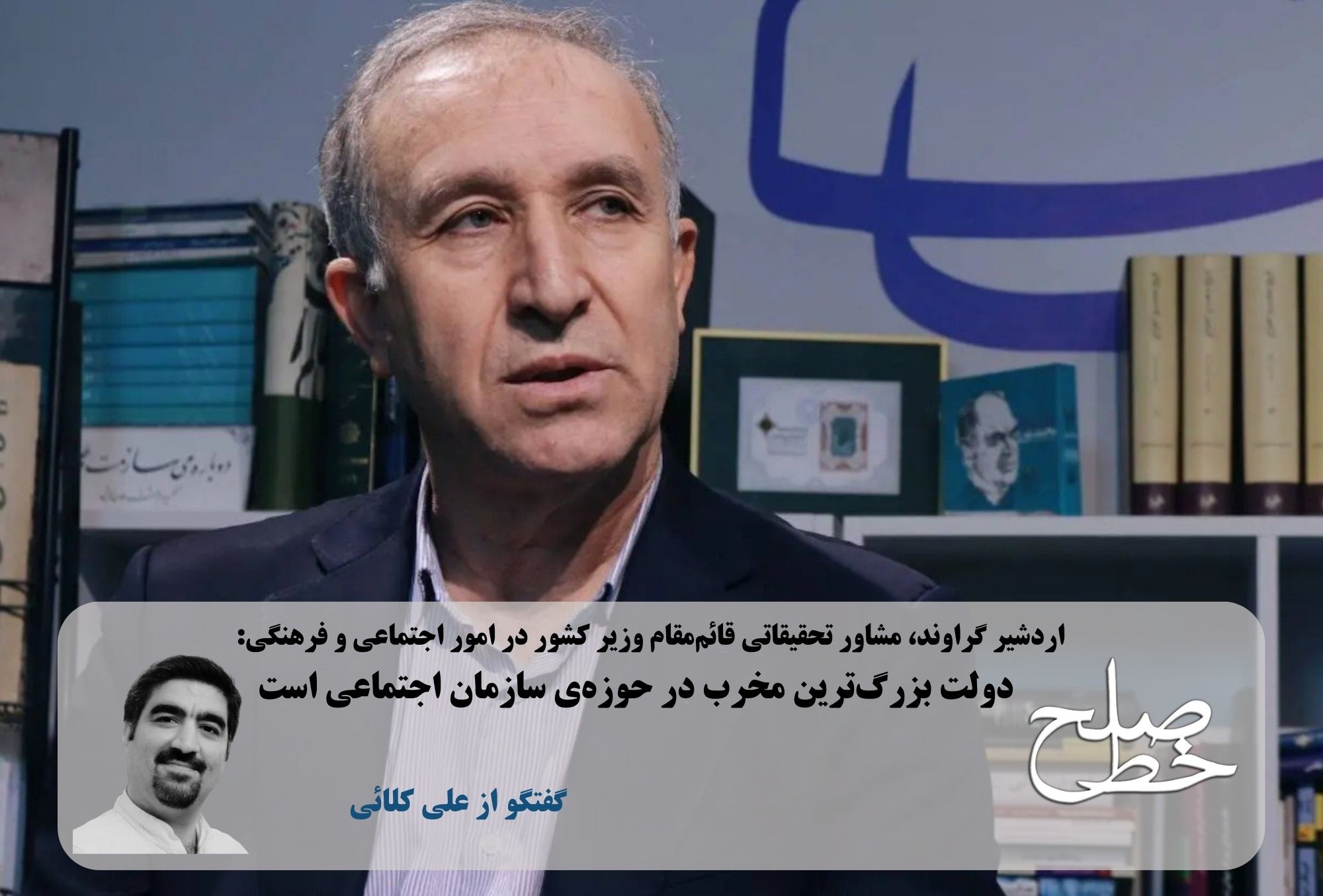
Ardeshir Garavand: The government is the greatest destroyer in the field of social organization/Ali Kalai
In Iran today, inequality is no longer limited to the gap in income or lifestyle, but rather this inequality and class differences have taken on new dimensions and found new practices. The question is: how have these gaps formed and in what direction are they taking Iranian society? Are we still faced with traditional patterns […]...
Read More Created By:
Ali Kalaei
Created By:
Ali Kalaei November 22, 2025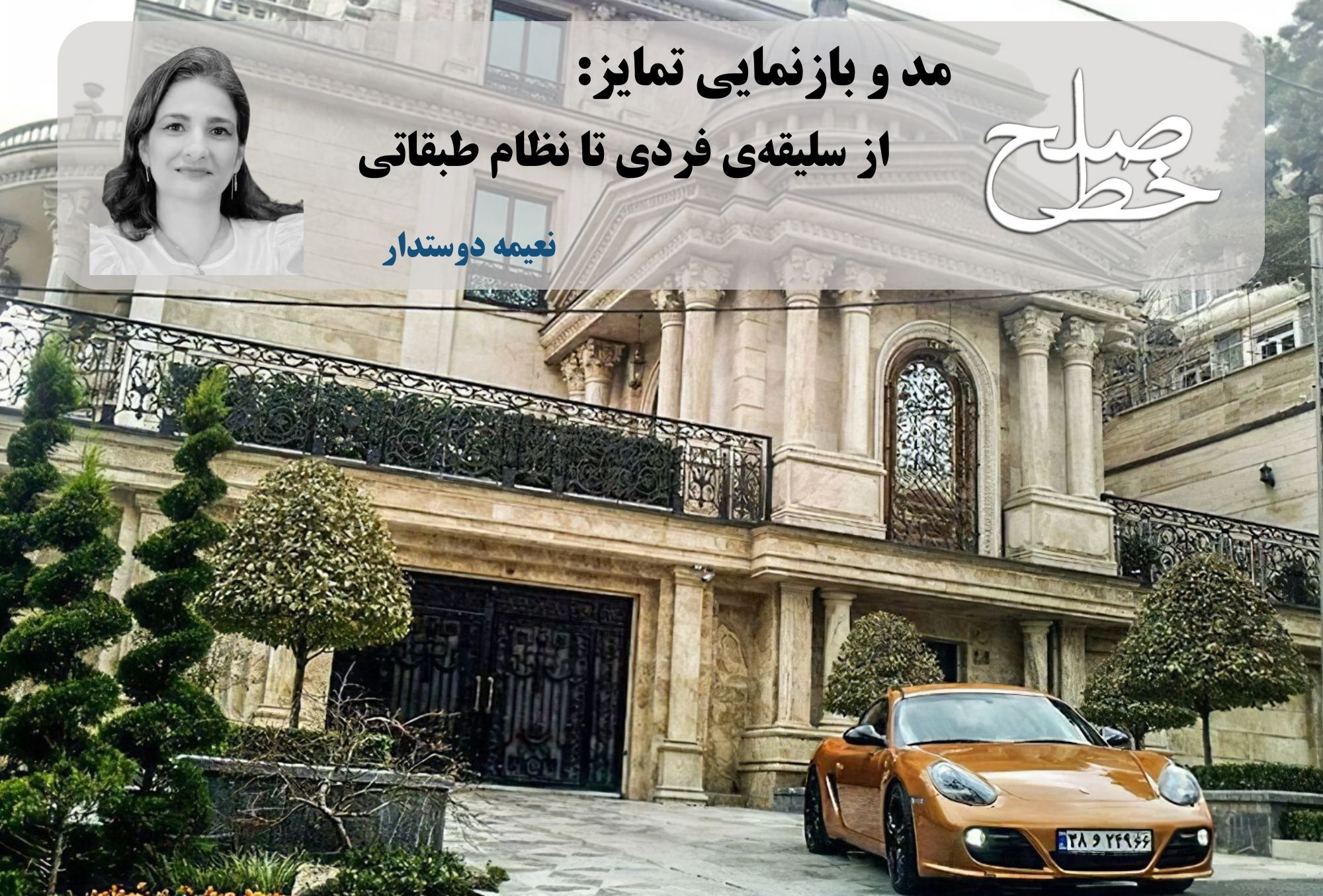
Fashion and the Representation of Distinction: From Personal Taste to Class System/ Naeimeh Doostdar
What is seen on the streets today is not merely a variety of styles, but a silent, ongoing competition between social classes—inscribed on the surface of the body. Hair color, eyebrow shape, the cut of a manteau, and even the quality of makeup have become markers that reveal opportunities, limitations, and economic divides. In a […]...
Read More
Created By:
Naeimeh Doustar November 22, 2025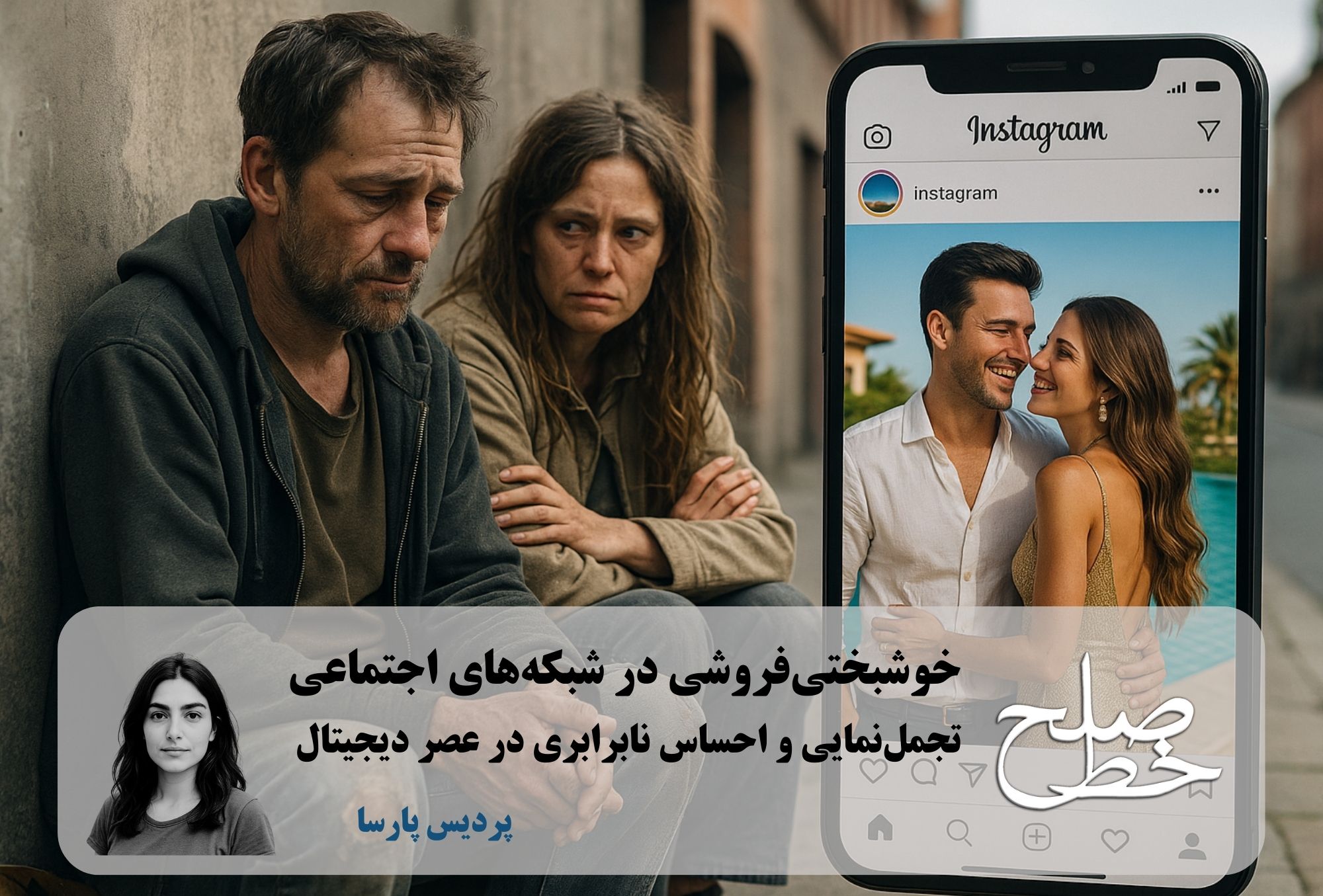
Selling Happiness on Social Media/ Pardis Parsa
In recent decades, with the dizzying speed of technological advancement and the growth of communication tools, people’s lives and their social relations have inevitably come under the influence of media. Social media platforms—especially image-based ones like Instagram, which entered the scene promising to eliminate distances—have, in practice, turned into the main stage for displaying social […]...
Read More
Created By:
Pardis Parsa November 22, 2025
Book Introduction: “Alone Together: Why We Expect More from Technology and Less from Each Other” by Sherry Turkle
In the book “Alone Together: Why We Expect More from Technology and Less from Each Other”. We are waiting for you.( “Alone Together: Why We Expect More from Technology and Less from Each Other” Sherry Turkle, with a sharp and analytical perspective, delves into the emotional and philosophical consequences of life in societies that are […]...
Read More
Created By:
Faran Fanaeyan May 22, 2025
Execution through the #hashtag window/ Pooyan Khoshhal.
Iran is one of the countries that still widely uses the death penalty. This issue has always been accompanied by protests from human rights organizations. The important question is whether media pressure, including traditional and international media, as well as activism on social networks and launching hashtag campaigns, can be effective in stopping or canceling […]...
Read More
Created By:
Pooyan Khoshhal April 21, 2025
Myths, Ideology, and Knowledge: Challenges of the Normative System in Iranian Society; A Conversation with Dr. Asghar Mahajeri/ Pedram Tahsini
Dr. Asghar Mahajeri, born in 1345, received his doctorate from the Department of Science and Research at the University of Tehran. He is currently an assistant professor at the Faculty of Social Sciences, Communications and Media at the Central Tehran Branch. In his background, he has also served as the head of the Sociology Department […]...
Read More
Created By:
Padram Tahsini March 21, 2025
Conversation with two fortune-tellers who do not read fortunes for themselves/ Ali Kalaei
Divination and fortune-telling is one of the oldest professions of humanity. In the past, it was considered a science and everyone in a society, from rulers to the condemned, believed in it. But today, in the eyes of observers and modern intellectuals, it has turned into a pseudo-science and superstition. It is still believed by […]...
Read More
Created By:
Ali Kalaei March 21, 2025
Why has superstition taken hold in Iran?/ Mehdi Ambari
Divination and fortune-telling, as activities that claim to predict the future or interpret events, have existed in various societies since ancient times. In Iran, due to specific economic, social, and cultural conditions, these activities have developed in different forms and have had a profound impact on individuals and society. This article attempts to briefly examine […]...
Read More
Created By:
Mehdi Anbari March 21, 2025
The Supreme Council of Cyberspace Acting Against National Security An Interview with Alireza Bozorgmehri/ Pedram Tahsini
Alireza Bozorgmehri, a former member of the Digital Economy Working Group at the Ministry of Economy, spoke with Peace Mark Monthly Magazine about the filtering environment in Iran and the obstacles to its removal. According to Bozorgmehri, until the composition of the Supreme Council of Cyberspace changes, there is little hope for the acceleration of […]...
Read More
Created By:
Padram Tahsini January 20, 2025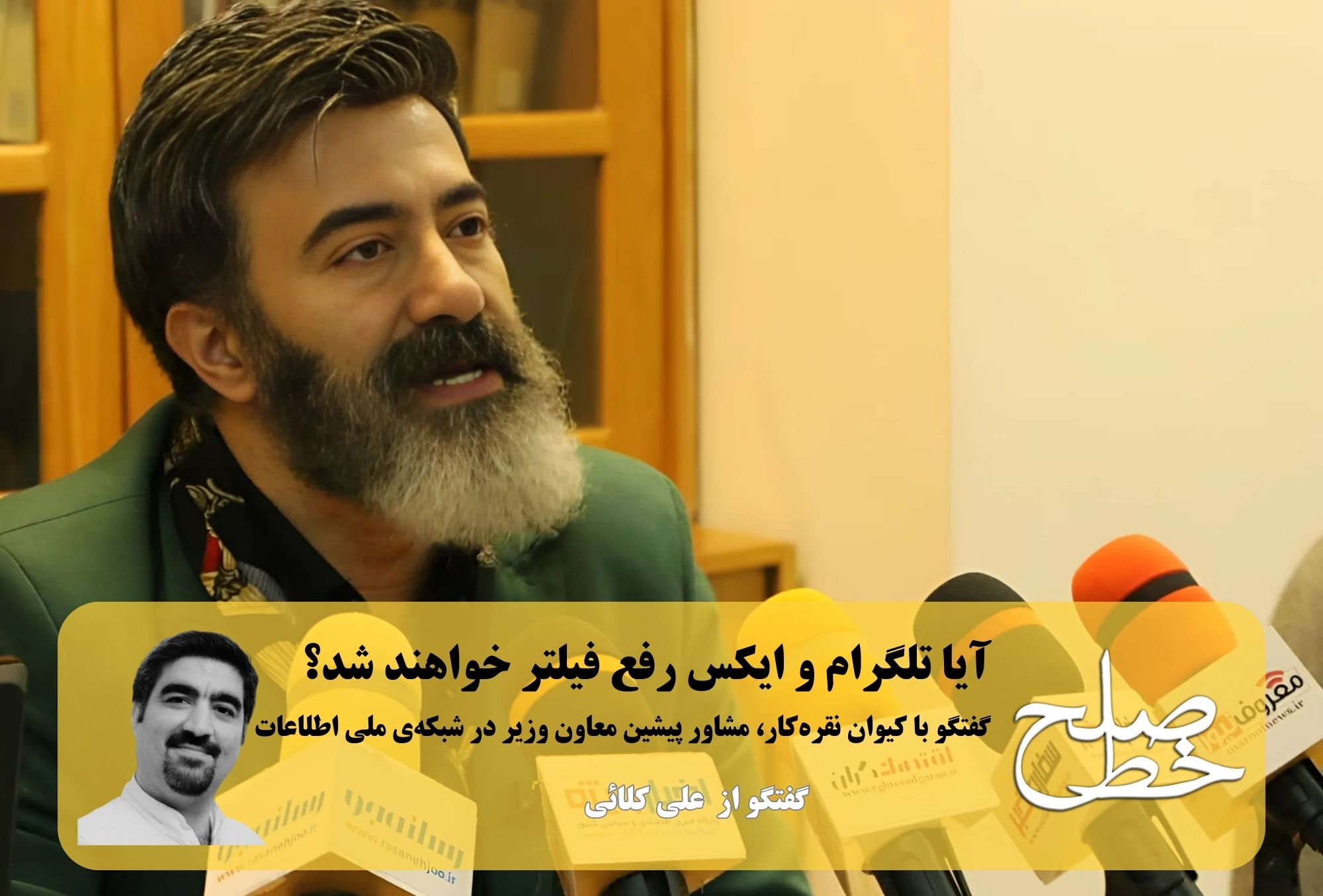
Will Telegram and X Be Unblocked? An Interview with Keyvan Noghrehkar/ Ali Kalaei
The issue of filtering and removing restrictions on various internet platforms has been a highly debated topic in Iran over the past few years. While the Minister of Communications has stated that lifting the ban on all platforms is on the government’s agenda—and recently, WhatsApp and Google Play were unblocked—public opinion and observers are left […]...
Read More
Created By:
Ali Kalaei January 20, 2025
An Interview with Citizens on the Daily Impacts of Internet Filtering/ Dina Ghalibaf
Internet filtering in Iran has become one of the most complex and serious social and economic issues. This policy has not only affected citizens’ daily lives but also challenged public perceptions of trust and transparency in governance. In this report, we visited Enghelab Street, one of the busiest areas in Tehran, to speak with various […]...
Read More
Created By:
Dina Ghalibaf January 20, 2025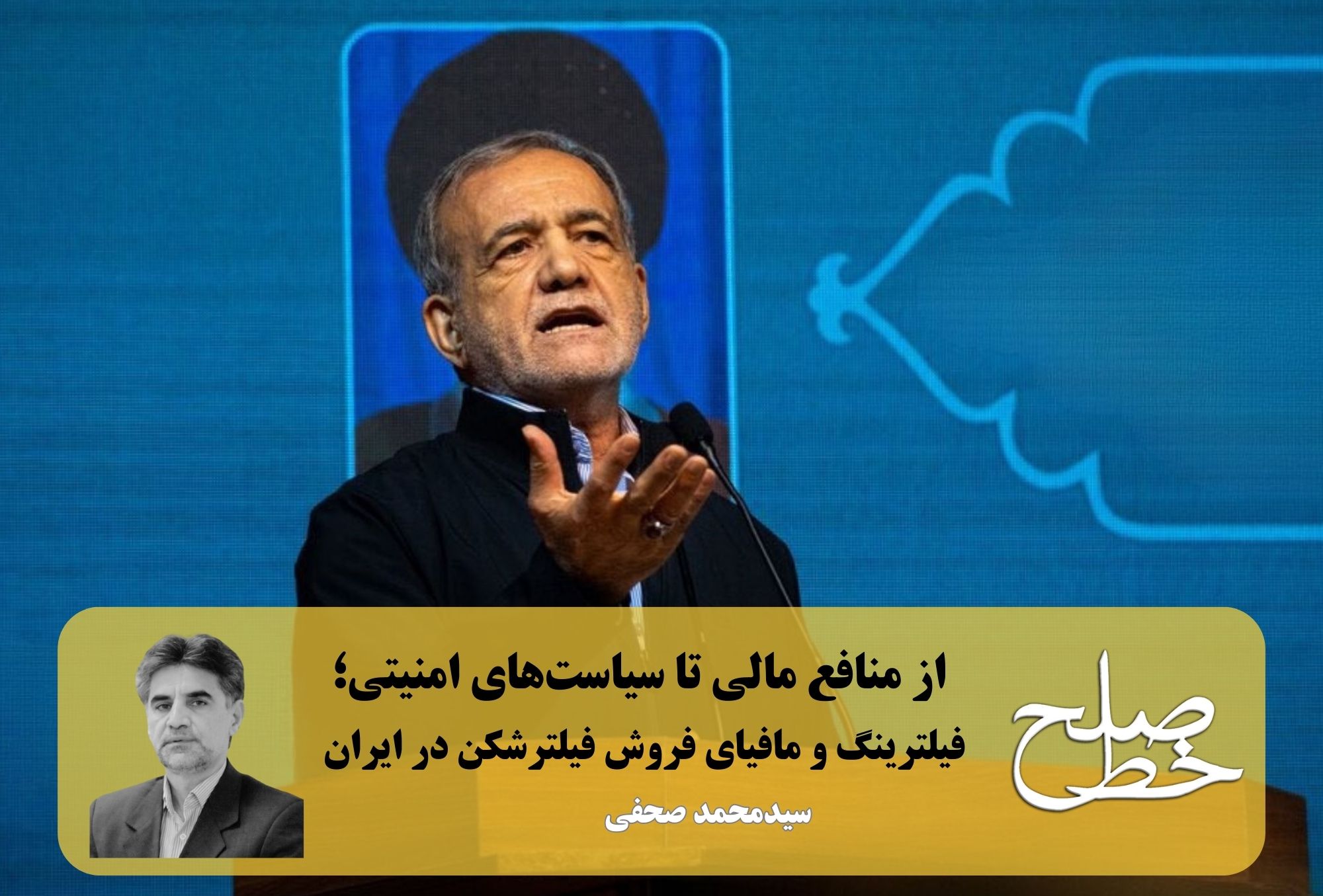
From Financial Gains to Security Policies: Filtering and the VPN Sales Mafia in Iran/ Seyed Mohammad Sohofi
Unofficial reports suggest that the financial turnover from VPN sales in Iran is remarkably high due to the widespread use of these tools and the lack of transparency in this market. With the sharp rise in demand for VPNs following the widespread filtering of social media platforms such as Instagram, WhatsApp, X (formerly Twitter), Telegram, […]...
Read More
Created By:
Seyed Mohammad Sohofi January 20, 2025
