


Reproduction of violence

Naser Ghavami: Most Executions Are the Result of Pressure from Governing Institutions on Judges/ Ali Kalaei
With the increasing implementation of public executions in Iran, debates around this form of punishment have intensified. Supporters consider it a necessary tool for deterrence and public example, while critics emphasize its contradiction with the principle of human dignity, human rights standards, and its harmful psychological and social consequences. In this context, Peace Mark Monthly […]...
Read More Created By:
Admin
Created By:
Admin September 23, 2025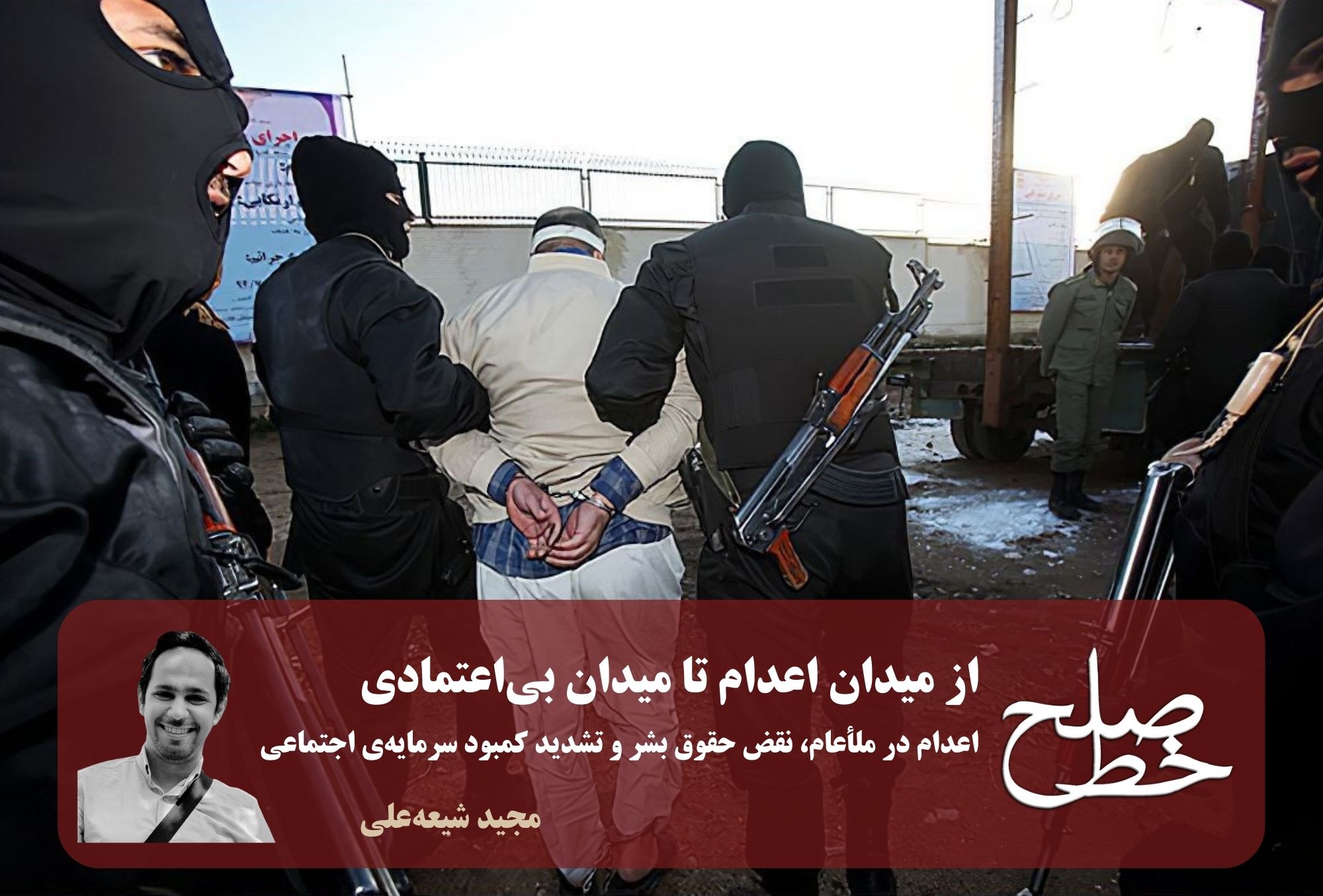
From Execution Square to the Square of Distrust/ Majid Shia’Ali
After several decades of failure in economic development, democratization, and the strengthening of human rights observance, our society is now looking back at its previous experiences. Our society sees that despite experimenting with various revolutionary and reformist strategies, from parliamentary methods to violent confrontations, and experiencing multiple revolutions and social movements, it has still not […]...
Read More
Created By:
Majid Shia’ali September 23, 2025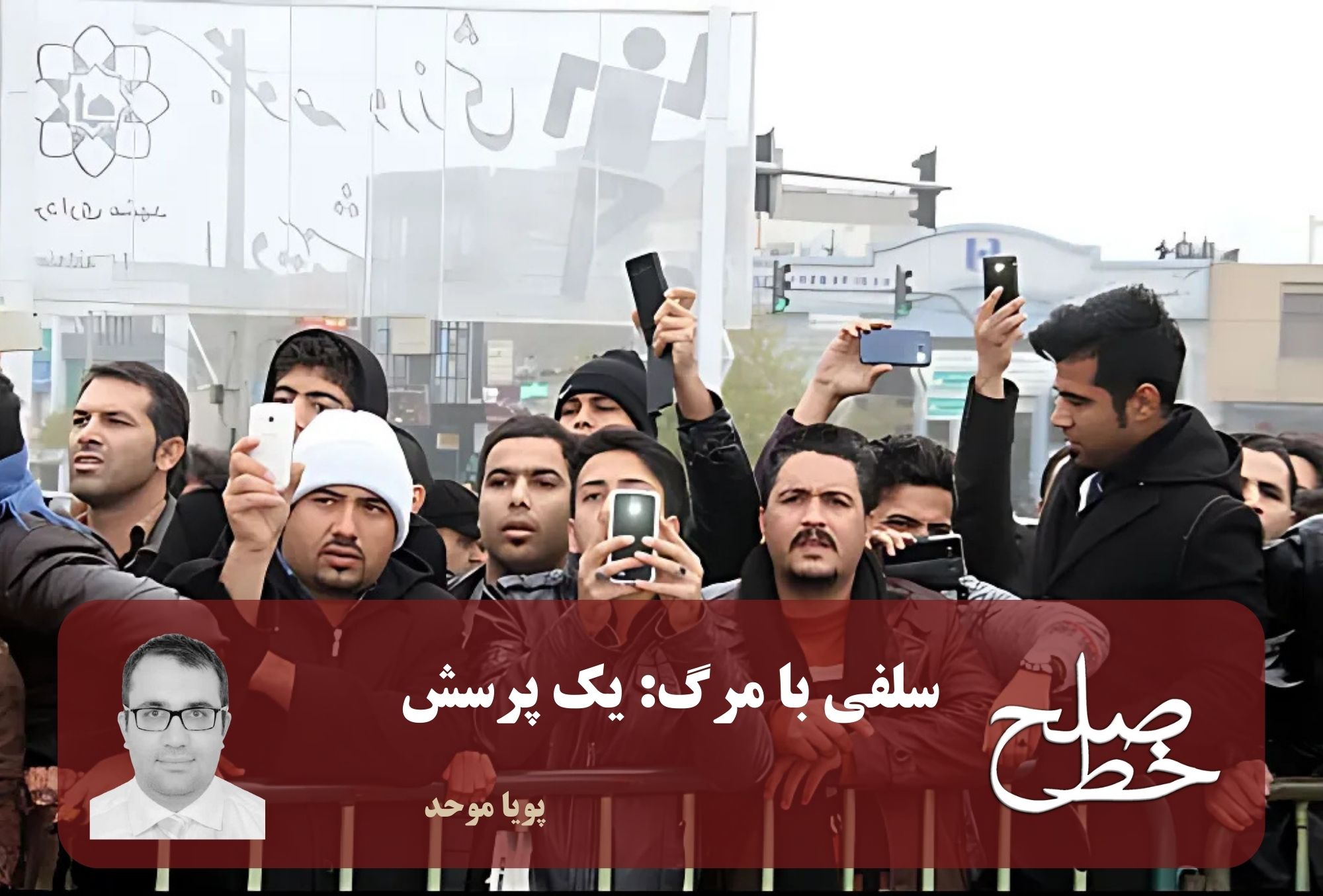
Selfie with Death: A Question/ Pooya Moheb
On a cold morning, the city square is filled with people. A large crane stands in the middle of the square. The rope hanging from the crane sways in the wind. Everyone is in a hurry to find a good spot to watch. A mother gives her child a chocolate to calm them down. Above, […]...
Read More
Created By:
Pouya Movahed September 23, 2025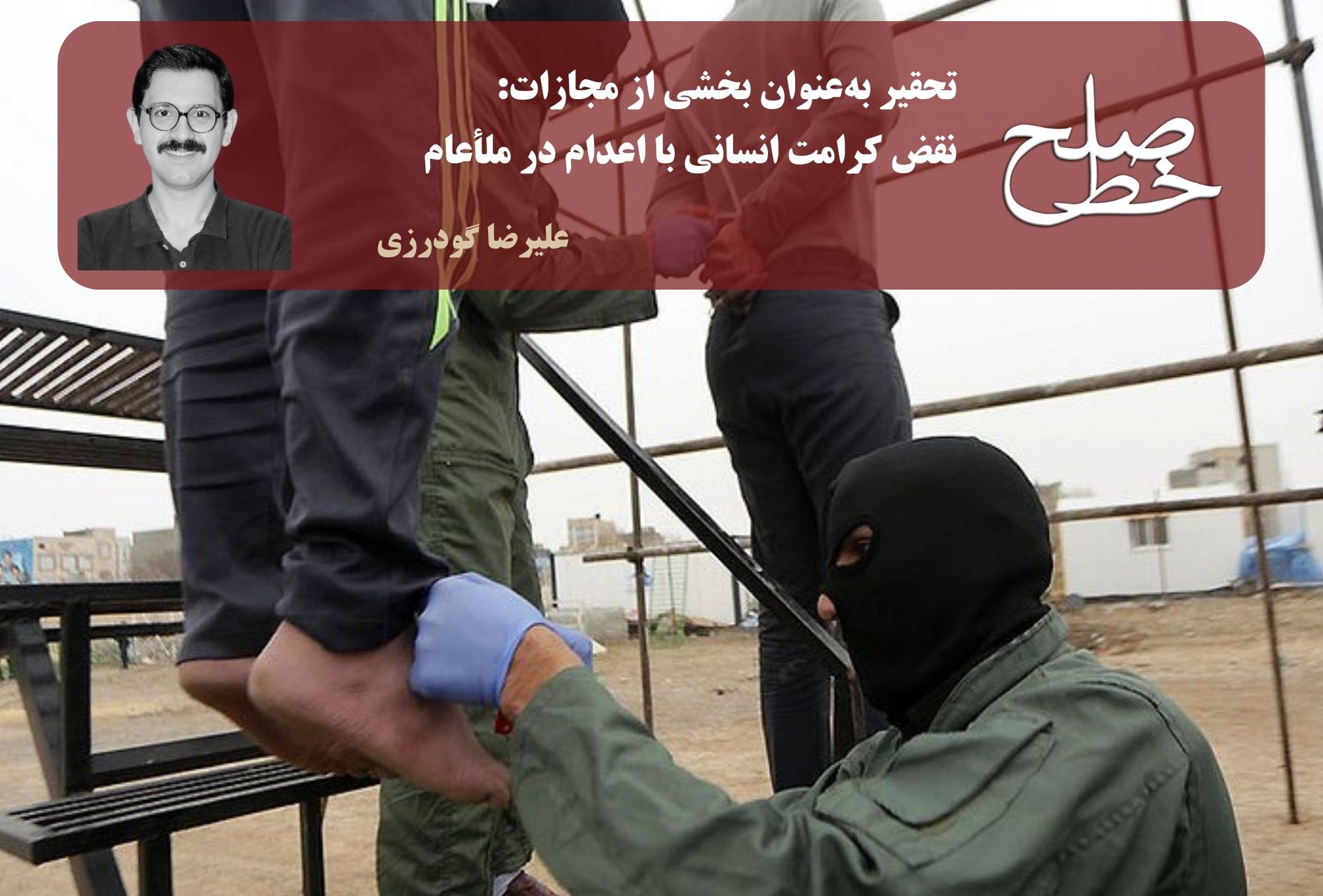
Humiliation as Part of Punishment: The Violation of Human Dignity Through Public Executions/ Alireza Goodarzi
Let us begin by distinguishing between a criminal, a suspect, and anyone else outside these categories. A person living in society may come under legal suspicion of having committed a crime. From that moment on, this individual is referred to as a “suspect.” Once the accusation is proven in a competent court, with all legal […]...
Read More
Created By:
Alireza Goodarzi September 23, 2025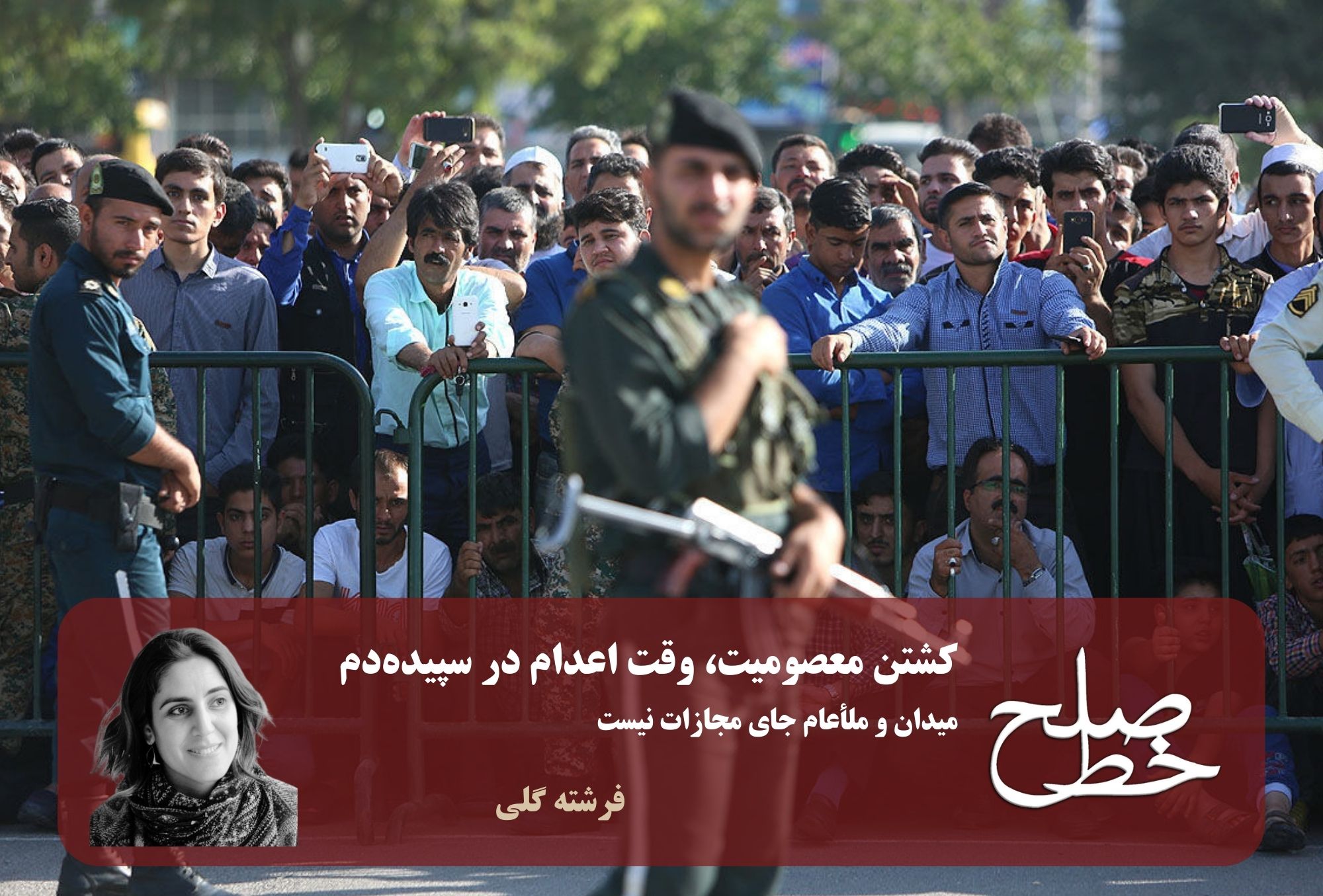
Killing Innocence at Dawn: A Public Execution/ Fereshteh Goli
As the sharp, cold morning wind swept autumn leaves across the cobbled alleyways of the city, a dense, silent crowd had gathered in the main square. Their breath turned into small clouds in the freezing air, merging into one another. Among the crowd stood women whose eyes reflected waves of fear, worry, and anxiety, and […]...
Read More
Created By:
Fereshteh Goli September 23, 2025
A Look at the Role of Qisas in Murder Cases and the Distinction Between Justice and Revenge/ Sina Yousefi
In the legal system of the Islamic Republic of Iran, qisas (retaliatory justice) is not only prominently featured in Book Three of the Islamic Penal Code (2013), but its procedural structure and associated privileges are also legally codified. These include defining the scope of cases eligible for qisas, conditions for the equivalence of the weapon […]...
Read More
Created By:
Sina Yousefi September 23, 2025
Law or Verdict? A Criminal Law Critique of Public Executions/ Mohammad-Hadi Jafarpoor
According to the rule of law, the necessity of implementing and enforcing laws is essential to the life of a social system. Even thieves and murderers believe in the necessity of enforcing the law and respecting legal rulings, and it is precisely because of this awareness that they feel fear and anxiety when committing a […]...
Read More
Created By:
Mohammad Hadi Jafarpour September 23, 2025
From Cheap Death to Contemporary Scaffolds/ Reza Harisi
Public execution—a phenomenon in which the final moments of a human being’s life are put on public display—goes beyond mere punishment and, in Marcel Mauss’s terms, constitutes a “total social fact” that encompasses all dimensions of a society’s life (legal, political, religious, economic, ethical, and cultural). While the global trend in the modern era has […]...
Read More
Created By:
Reza Harisi September 23, 2025
Public Execution: Reproduction of Violence Instead of Deterrence/ Toutia Partovi Amoli
Public execution is a punishment that, in some societies, has been used as a tool aimed at deterring crime and instilling fear. Nevertheless, according to statistical studies and scientific findings, carrying out punishment in public not only has no significant effect on reducing violent crime rates but also leads to the normalization and reproduction of […]...
Read More
Created By:
Toutia Partovi Amoli September 23, 2025
Why Should Public Execution Be Abolished?/ Neda Ghanbari
A thorough examination of historical experiences, human rights principles, and findings from psychology and criminology clearly indicates that public execution not only lacks any deterrent effect but also carries profound social, psychological, and moral consequences for society. Although some proponents view public execution as a tool for creating fear and reducing crime, in practice, it […]...
Read More
Created By:
Neda Ghanbari September 23, 2025
Execution: Administering justice or reproducing violence? A conversation with Shahab Tajri / Azar Taherabadi
Execution has always been one of the most controversial and challenging topics in criminal justice systems around the world. In Iran, this punishment, especially in recent decades, has not only been a legal and religious issue, but also a political, social, and ethical one. In this regard, questions have been raised that go beyond the […]...
Read More
Created By:
Azar Taherabad April 21, 2025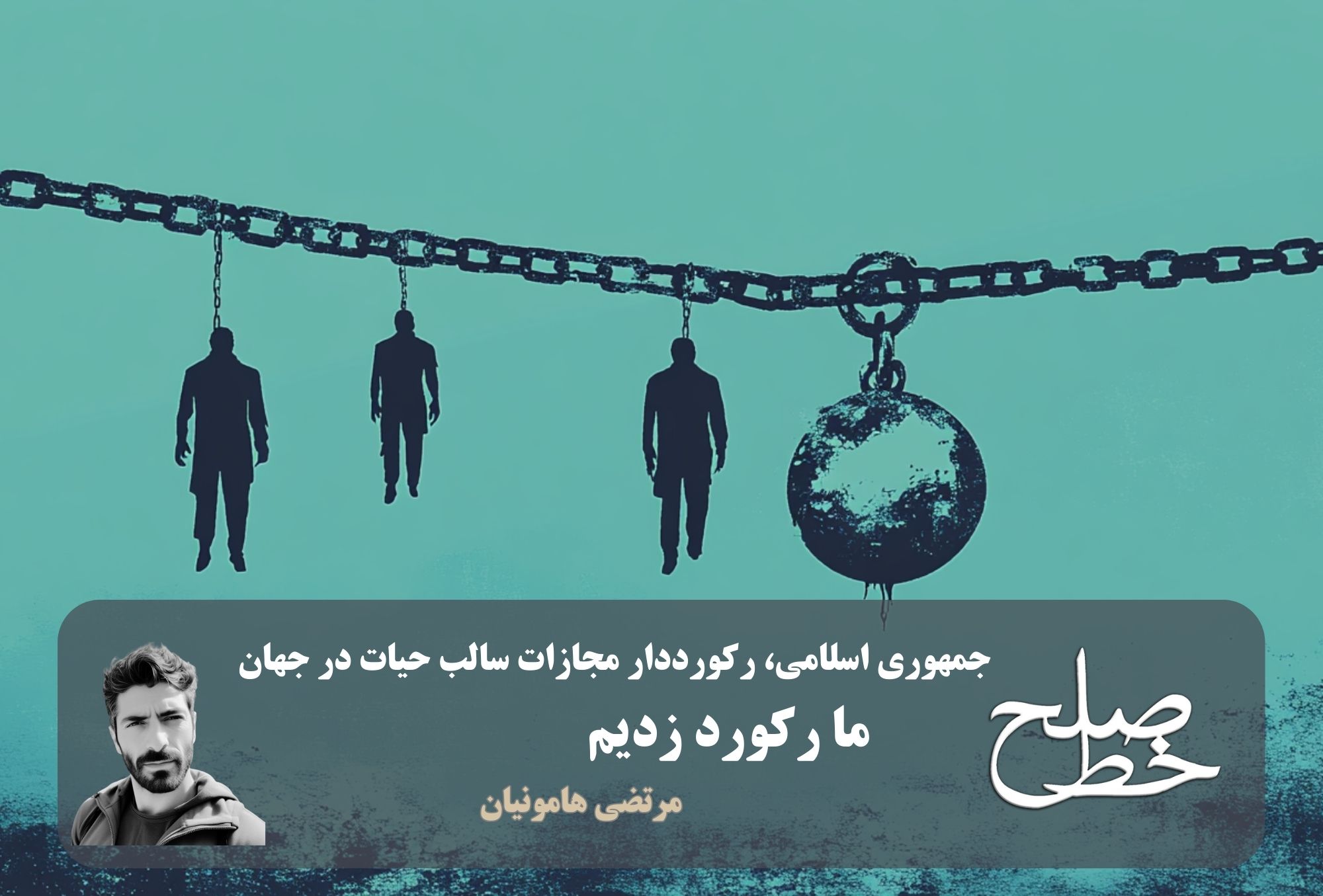
Islamic Republic, record holder of capital punishment in the world / Morteza Hamounian
In the month of Khordad 1391 (June 2012), the leader of the Islamic Republic of Iran said in a ceremony commemorating the anniversary of the establishment of the ruling system in Iran: “We have set a record.” The reality is that he was right; even before that time, the Islamic Republic was one of the […]...
Read More
Created By:
Morteza Hamounian April 21, 2025
