


mourning
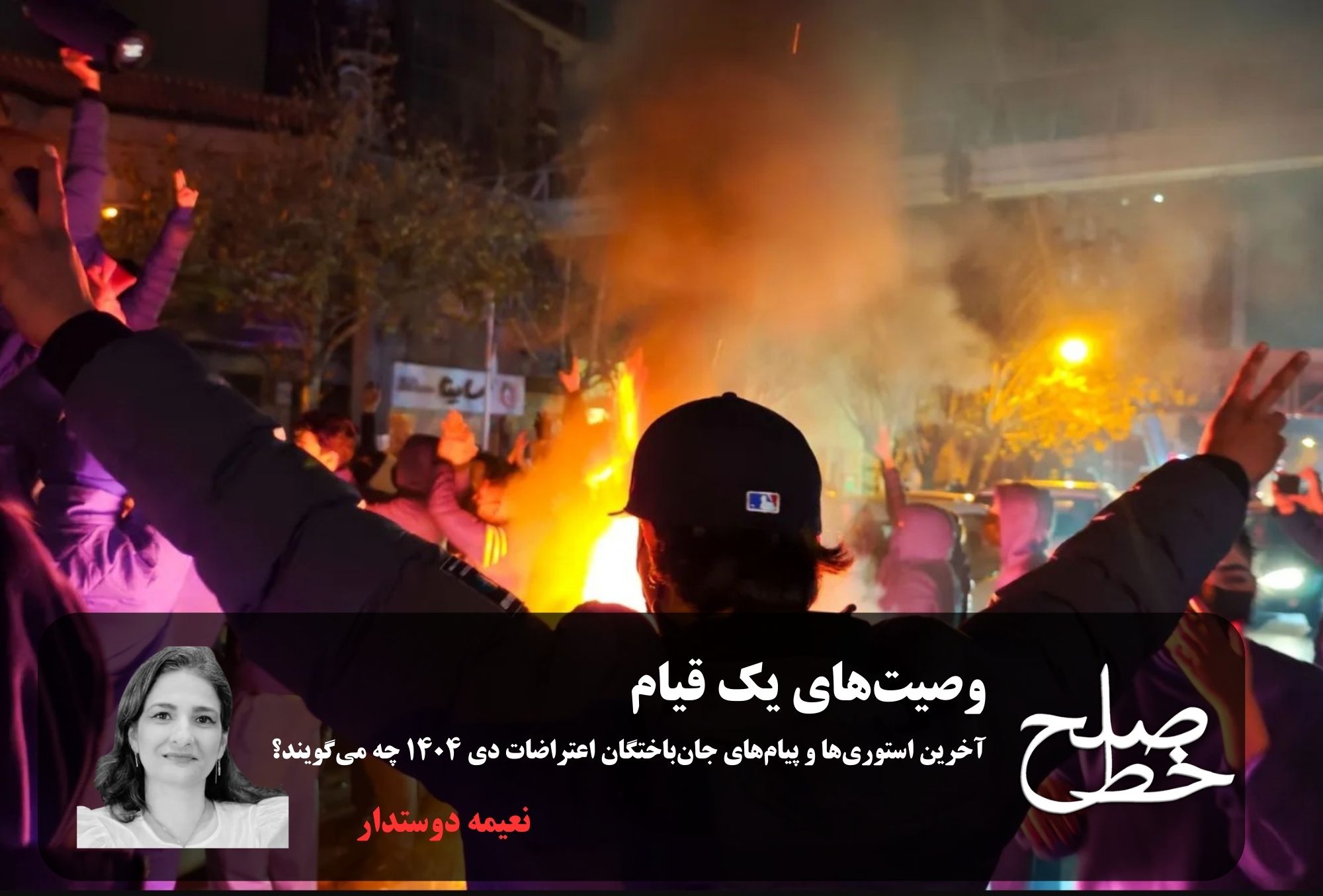
Testaments of an Uprising/Naimeh Doostdar
January 1404 was a time for a number of protesters to say their “last words”; a sentence recorded in a few lines on Instagram stories, or in a few-second video, sometimes in a brief call to family, and sometimes in a will that the survivors tried to carry out without fail. These messages, republished in […]...
Read More Created By:
Naeimeh Doustar
Created By:
Naeimeh Doustar February 20, 2026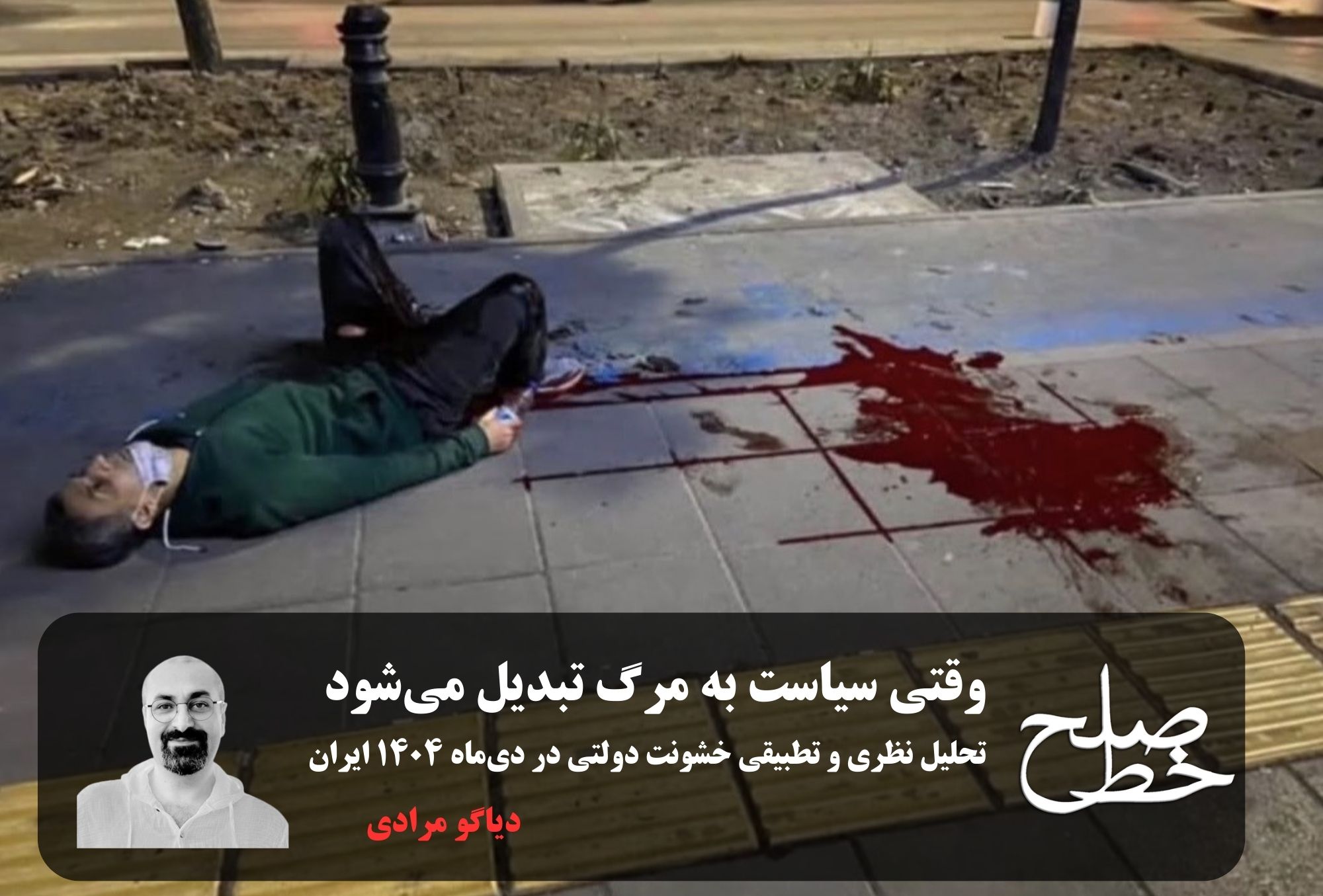
When Politics Turns into Death/Diako Moradi
Introduction: The Problem of State Violence in an Era of Collapsed Legitimacy In the classical tradition of political science, state violence was often analyzed as an exceptional means of containing crisis and restoring order, something that made sense in the context of Weber’s “legitimate monopoly of violence.” In this view, legitimacy was not only a […]...
Read More
Created By:
Diako Moradi February 20, 2026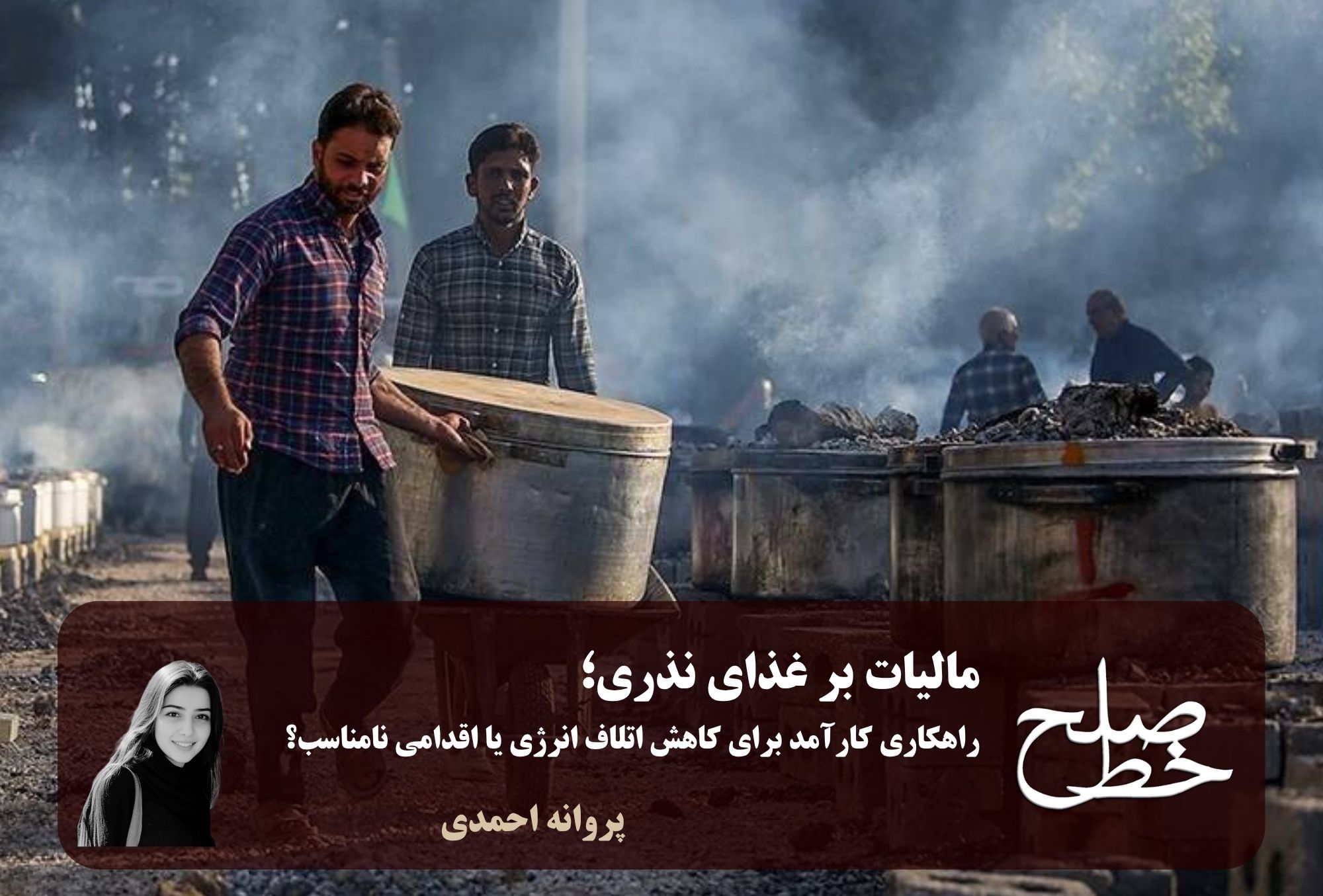
Taxing Nazri Food: An Efficient Strategy for Reducing Energy Waste or an Inappropriate Measure? / Parvaneh Ahmadi
Mourning ceremonies and Nazri offerings are an inseparable part of the religious and social culture in certain communities, particularly in Iran. In these occasions, the long-standing tradition of preparing and distributing food as Nazri takes on a prominent role. These offerings, beyond their spiritual and religious aspects, are widely distributed among the general public, the […]...
Read More
Created By:
Parvaneh Ahmadi July 23, 2025
Significant difference in mourning for the victims of the Rajai Port tragedy; conversation with Gholamreza Jamshidiha/ Ali Kalaei
A report, fifteen days after the tragedy, talks about the mourning ceremonies and the workers with and without identification who were killed in the explosion at the Rajaee Port in Bandar Abbas. The workers who entered the port through the walls for a piece of bread, and the ports filled with laborers who had neither […]...
Read More
Created By:
Ali Kalaei May 22, 2025
The Soul of the Port; A Psychological Analysis of the Collective Trauma Caused by the Explosion of Rajaee Port / Mehdi Anbari
The explosion incident in the port of Rajaei, which resulted in the death and injury of dozens of people, is not just an industrial tragedy, but a traumatic event with widespread psychological and social dimensions for workers, families, and the entire Iranian society. This incident, along with a series of similar events such as the […]...
Read More
Created By:
Mehdi Anbari May 22, 2025
Policy of Mourning: In search of solidarity amidst today’s crises / Mina Javani
Grief is not only a personal experience of loss, but also a social and political phenomenon that is closely linked to power structures, storytelling, and collective memory. In societies under the rule of authoritarian governments, mass deaths – particularly those caused by structural incapacity, widespread censorship, or management crises – take on a special political […]...
Read More
Created By:
Mina Javani May 22, 2025
