


Monthly Peace Line Magazine

Why is it necessary to use renewable energies? / Kioumarth Amiri
Humans throughout their lives need to use energies for survival, well-being, development, and progress in life, and in this regard, they use and provide various types of energy. Long ago, humans used wood from forests to keep themselves warm and to provide shelter. This has caused irreparable damage to millions of hectares of forests and […]...
Read More Created By:
Kiomars Amiri
Created By:
Kiomars Amiri October 23, 2021
A Look at Hydroelectric Power Plants from an Environmental Justice Perspective/ Nikahang Kowsar
Perhaps until a few years ago, no one paid attention to the “carbon footprint” and the negative environmental effects of electricity production. When talking about clean and renewable electricity, many people’s minds would go towards hydroelectric systems, such as large dams, where the flow of water through the turbines of massive generators would provide the […]...
Read More
Created By:
Admin October 23, 2021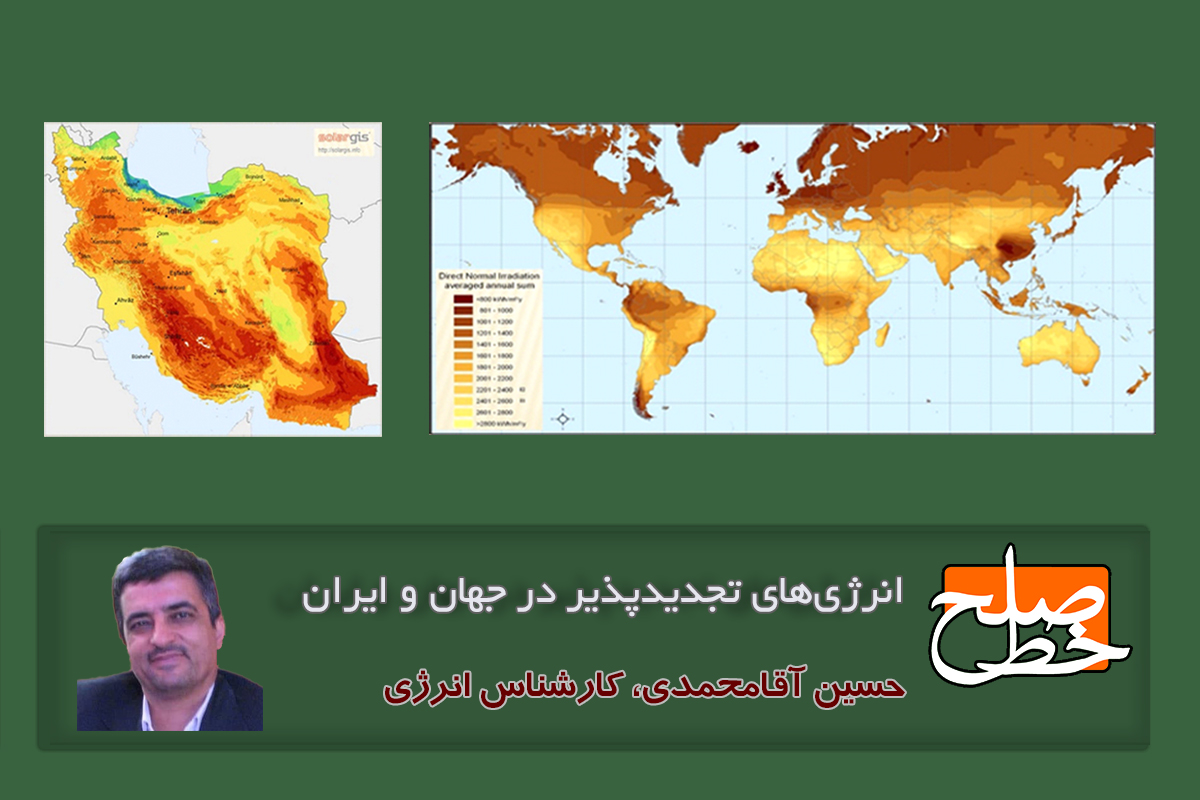
Renewable energies in the world and Iran / Hossein Aghamohammadi
The annual energy consumption growth in the world is three percent. With this calculation, global energy consumption is increasing day by day and with further increase in population, this amount may increase even more. The current methods of energy production in the world mainly rely on the use of fossil fuels. The consumption of this […]...
Read More
Created By:
Hossein Aghamohammadi October 23, 2021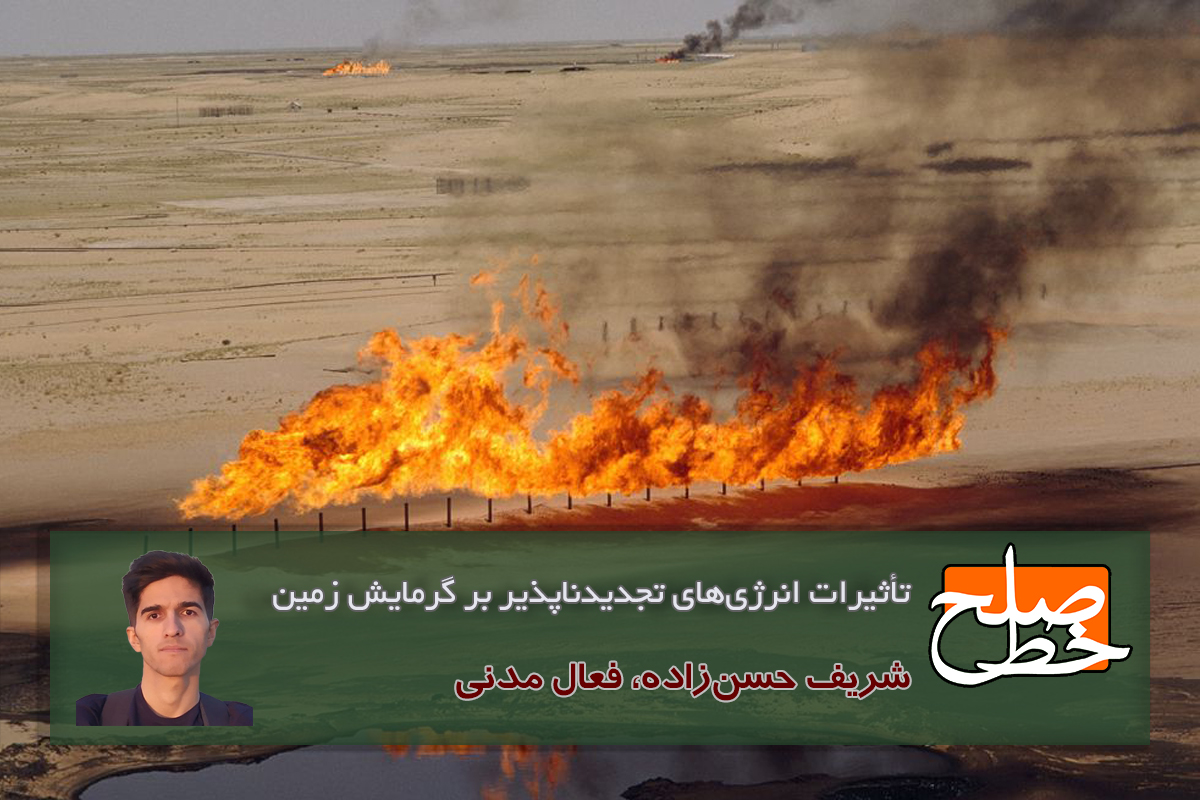
The Effects of Non-Renewable Energies on Global Warming / Sharif Hassan Zadeh
Energy in the field of physics refers to the ability to do work and can exist in various forms such as mechanical, thermal, electrical, chemical, nuclear, or other forms. The sources of energy used by people around the world are divided into two main categories: renewable and non-renewable. While renewable sources such as solar and […]...
Read More
Created By:
Sharif HassanZadeh October 23, 2021
Investigating the possibility of using wind energy in Iran / Azad Mohammadi
For thousands of years, humans have been using wind energy. In ancient Egypt, 5000 years before Christ, they used wind energy to cross the Nile River. In 200 BC, in China, they used wind pumps to extract water from underground. In addition, in Iran and the Middle East, they used wind to grind grains in […]...
Read More
Created By:
Azad Mohammadi October 23, 2021
Renewable energies, a green revolution for the future of Earth, humanity and species/ Saeed Vafa
For thousands of years, humans collected and hunted for the energy they needed. In fact, humans obtained the energy needed for agriculture, hunting, and transportation from the food they ate or from domesticated animals. Over time, humans learned to use fire for light and warmth and harnessed the energy from nature by building water and […]...
Read More
Created By:
Saeed Vafa October 23, 2021
Renewable Energies and Human Rights / Bahar Abbasi
With a general look at human rights laws and international and regional conventions, it can be understood that the concept of human rights has become closely and increasingly linked to the right to a healthy environment and sustainable development. With the process of industrialization in the world and its consequences such as increased environmental pollution, […]...
Read More
Created By:
Bahar Abbasi October 23, 2021
A Look at the Student Solidarity Campaign in Sistan and Baluchestan / Saeed Shirzad
As the month of Mehr approaches, the first thing that occupies our minds is the joy of children and the new life they have embarked on. Every year, as these children enter higher grades, this new life becomes more vibrant. However, the necessity of this new life undoubtedly includes free and appropriate education that should […]...
Read More
Created By:
Saied Shirzad October 23, 2021
Notes on the Economic-Social Burden of Violence Against Women / Elaheh Amani
Gender-based violence or violence against women is a global pandemic that affects one in three women throughout their lifetime from childhood to old age. The direct, indirect, visible, and hidden harms of violence against women and girls, and finding solutions to assess and combat it, have been brought to the forefront of human rights discussions […]...
Read More
Created By:
Elahe Amani October 23, 2021
History and reasons for naming World Children’s Day / Barin Abbasi
In the United Nations Convention on the Rights of the Child, individuals under the age of eighteen are referred to as children, unless the law governing that person specifies a younger age for their maturity. Children are considered the future assets of society and also the most vulnerable group in any community. They have needs […]...
Read More
Created By:
Barin Abbasi October 23, 2021
Book Introduction: Will Climate Change Catch Countries Off Guard? / Morteza Hamounian
Today, the world is in the process of transitioning from the dominance of fossil fuels to alternative energies; energies that can preserve nature and not pollute it. The back cover of the book also states that “the book not only introduces each type of renewable energy – hydro, solar, wind, geothermal, and ocean energy – […]...
Read More
Created By:
Admin October 23, 2021
استAlexander Lotfi, spokesperson for the Coordination Council, in conversation with Ali Kalaei: There is no other way for teachers except for taking action on the field.
Iranian teachers have been actively working for years to fight for their rights and have incurred expenses; from imprisonment to job deprivation and other costs that have targeted these professional activists; a society that they are nurturing; but the spokesperson for the Coordination Council of Cultural Trade Unions in an interview with “Khat-e-Solh” says that […]...
Read More
Created By:
Ali Kalaei September 23, 2021
