


Monthly Peace Line Magazine

“Art is our cry of protest/ Mina Youth”
The last word of protest is when it takes shape, it becomes present in all aspects of life. In the sound of the streets, the faces of passersby, television images, late-night movies, best-selling book lists, quiet restaurants, slogans from behind windows, and of course in art. If we want to talk about the starting point […]...
Read More Created By:
Admin
Created By:
Admin November 22, 2022
What is Committed Art?/ Ali Fiazi
Can we hold artists responsible for their actions in sensitive political and social situations? Before and after the February 1979 revolution, discussions were raised about the role of art and literature and their responsibility in society. What was approved and accepted by revolutionary and leftist forces was referred to as committed art. This perspective was […]...
Read More
Created By:
Ali Fayaz November 22, 2022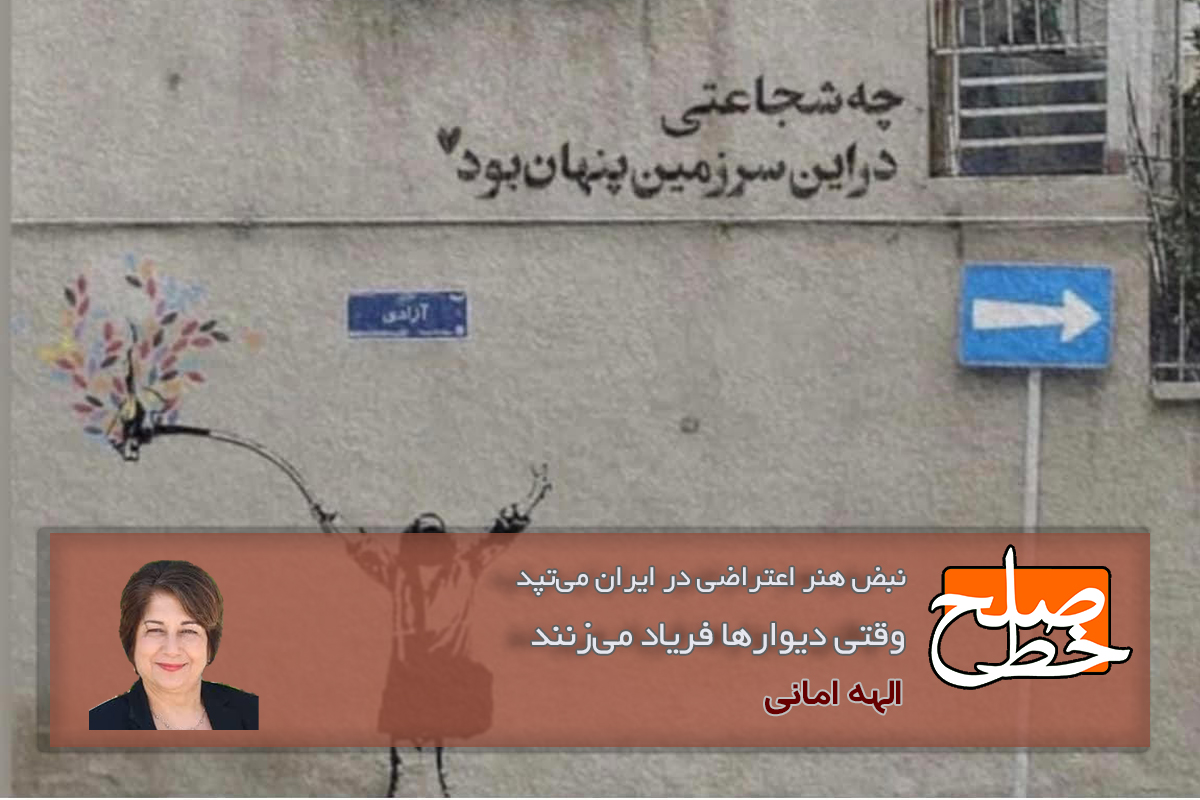
When the walls scream/ Goddess of safety
The pulse of protest art is rising in Iran. The widespread uprising of the Iranian people and the presence of women and girls at the forefront of these movements have awakened the creativity that was dormant in the heart of Iranian society. Today, we witness the art of protest and its prominent symbol in various […]...
Read More
Created By:
Elahe Amani November 22, 2022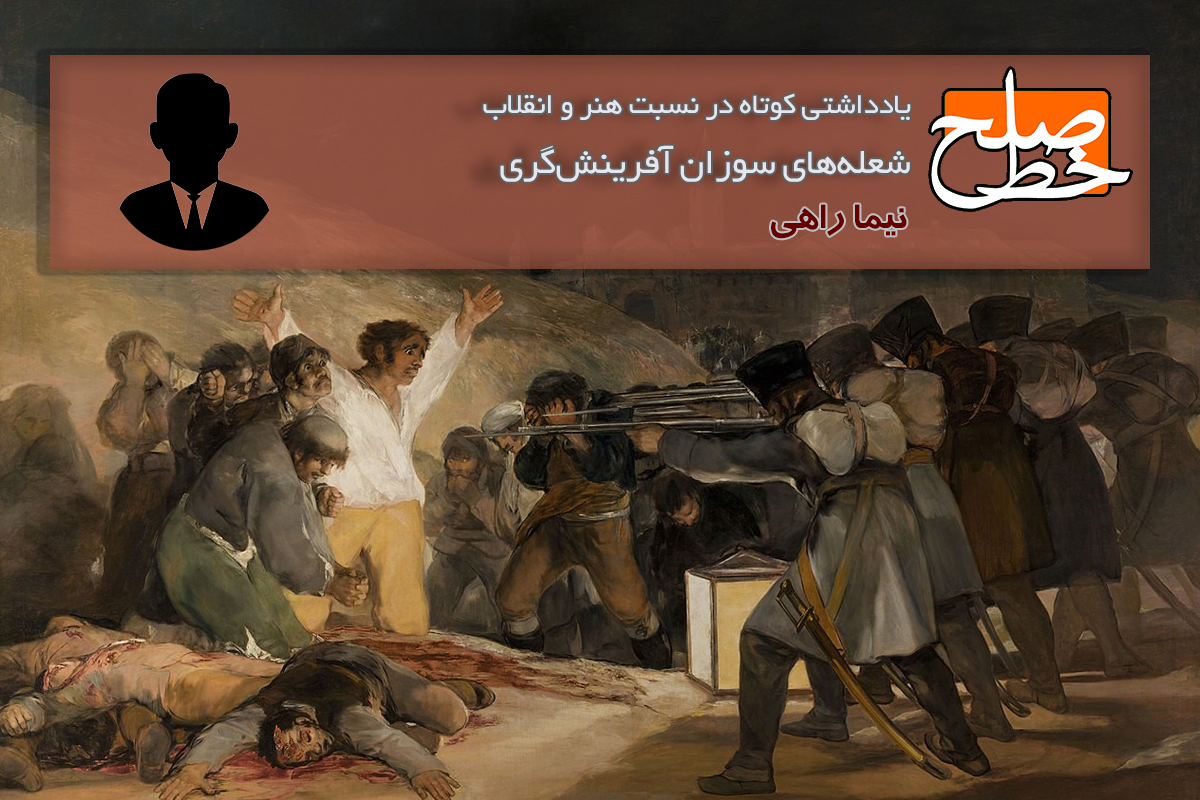
The blazing flames of creation / Nima Rahi
A brief note on the relationship between art and revolution. Socrates did not like tragedy and the reason he gave was very simple: “tragedy is beneficial.” This usefulness later became one of the fundamental principles of tragic writing, theorized by tragedians such as Sophocles. In simple terms, this usefulness referred to promoting a universal perspective […]...
Read More
Created By:
Nima Rahi November 22, 2022
Corruption, a motivation for more suppression/ Abbas Dehghani
Khosrow. Budget. State. Sure. Bar. Shower. Nation. Members of the Islamic Consultative Assembly agreed in an open session on Monday, 8 Aban 1401, after a month of suppression and severe crackdown by the government on Iranian protesters, to increase the salaries of law enforcement and armed forces personnel by twenty percent through the amendment of […]...
Read More
Created By:
Abbas Dehghani November 22, 2022
“Economy without internet/ Mohammad Golshahi”
How much does Instagram filtering harm Iran’s economy? It can be said that among many representatives and officials of the country in recent years, there has been no more unpopular social network than Instagram, and without a doubt, if recent events had not happened in the country, this network would have been filtered and only […]...
Read More
Created By:
Mohammad Golshahi November 22, 2022
State; plunderer of public interests / Saeideh Shafiei
The largest privatization in the history of Iran took place over the past few weeks, with 12% of the shares of Persian Gulf Petrochemical Company being transferred to two state buyers, worth over 118 trillion tomans. However, considering the nature of the buyers, this transfer cannot be considered a change of ownership to the private […]...
Read More
Created By:
Saeideh Shafiei November 22, 2022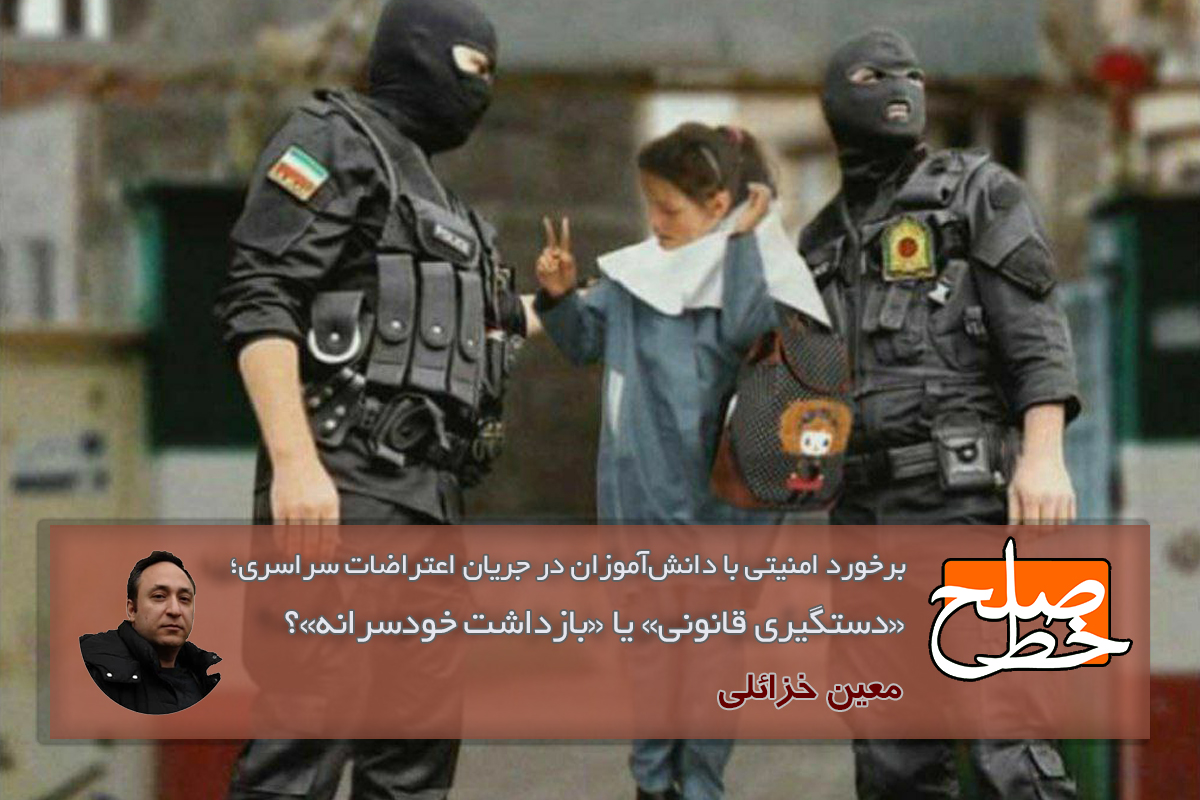
Security’s encounter with students during nationwide protests; “Legal arrest” or “arbitrary detention”? / Moein Khazaei
On October 19th, finally, Yousef Nouri, the Minister of Education of the Islamic Republic, admitted that a number of students have been arrested during the recent nationwide protests in Iran. Although he did not provide an “exact number” of detained students, he stated: “Their number is not high and they are not that many.” According […]...
Read More
Created By:
Moein Khazaeli November 22, 2022
The approach of the courts in Iran towards international human rights laws / Mahnaz Norouzian.
Nowadays, the issue of human rights is so global and important that the acceptance and legitimacy of governments and regimes depends on how they support these rights. According to the Iranian Civil Law, treaties that are ratified between the government of Iran and other governments, in accordance with the Constitution, have the force of law. […]...
Read More
Created By:
Mahnaz Norouzian November 22, 2022
قتHuman rights or domestic laws; which one has priority?/ Ehsan Haqiqat
Although the principles and rules of human rights were established in the mid-twentieth century and were codified after the adoption of the Universal Declaration of Human Rights on December 10, 1948, at the United Nations General Assembly, and further developed with the creation of the International Covenant on Civil and Political Rights, the International Covenant […]...
Read More
Created By:
Ehsan Haghi November 22, 2022
The Necessity of Abolishing the Death Penalty and Defending Human Rights / Mehrdad Naghibi
In current societies, all the old tools of oppression have been rejected and condemned, but the death penalty, as one of the most barbaric methods of ancient heritage, has not only not been rejected and condemned, but has also been legitimized and given a legal aspect by self-proclaimed governments in many parts of the world. […]...
Read More
Created By:
Mehrdad Naghibi November 22, 2022
Conversation with Naemat Ahmadi, lawyer and prosecutor about the increase in execution sentences in Iran/ Ali Kalaii
Overcoming unemployment is overcoming crime. Statistics in the past year show a significant increase in the implementation of the death penalty in Iran. It seems that since Gholam-Hossein Mohseni-Ejei took office, there has been a strong will within the judicial system to expedite all death sentences. This has prompted the monthly magazine Khat-e-Solh to interview […]...
Read More
Created By:
Ali Kalaei October 23, 2022
