


Leadership
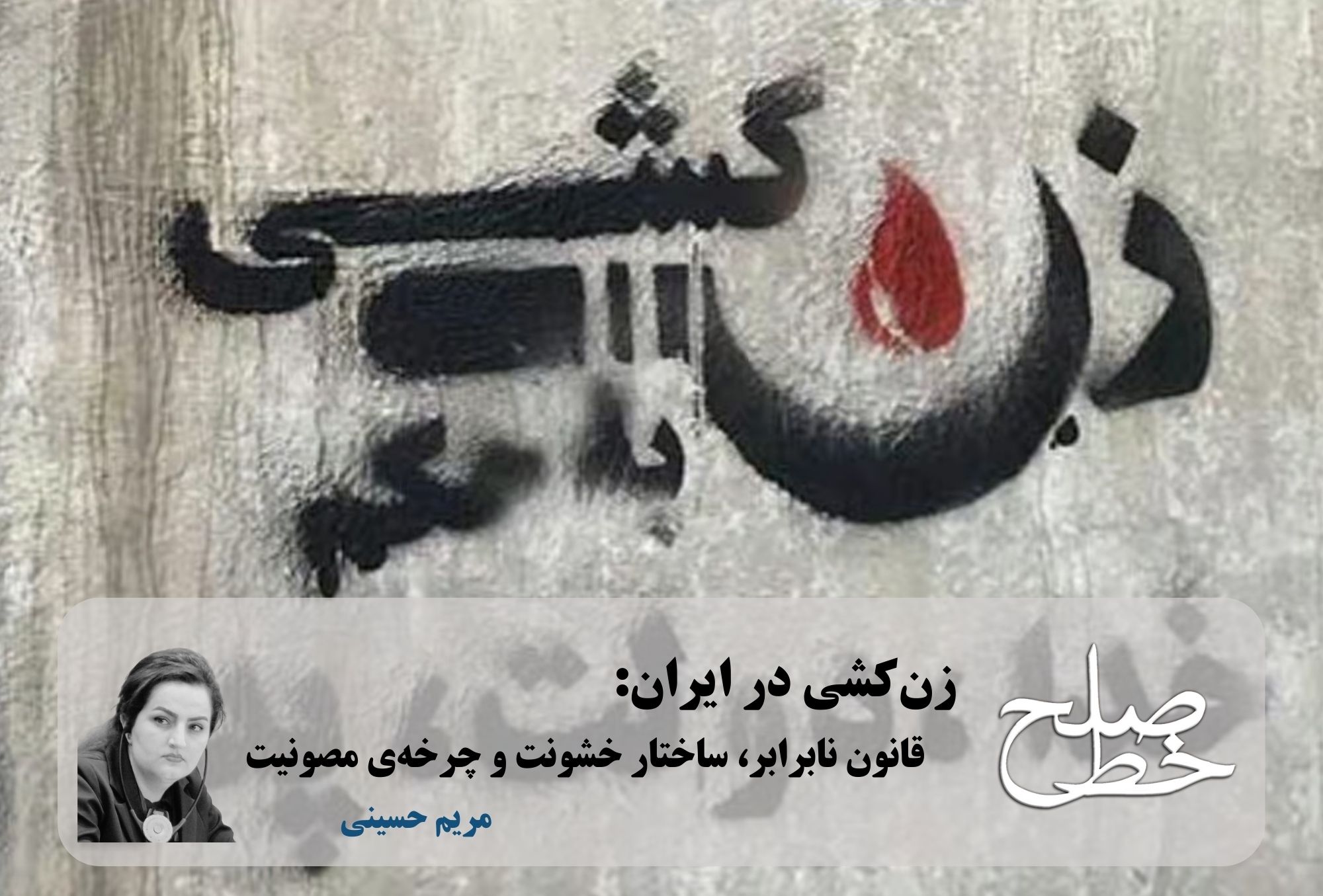
Femicide in Iran: Unequal Law, Violent Structures, and the Cycle of Impunity / Maryam Hosseini
Femicide in Iran is a crisis phenomenon that reflects deep gender inequalities, legal gaps, and a culture of male dominance. The increase in the number of women being murdered, along with the absence of a strong legal framework that specifically addresses the killing of women based on gender, has raised concerns that some of these […]...
Read More Created By:
مریم حسینی
Created By:
مریم حسینی November 22, 2025
Femicide in Iran and the World: Revisiting the Intersection of Gender, the State, and Structural Violence/ Elahe Amani
Femicide, the killing of women because of their gender, is one of the most extreme forms of gender-based violence. At its core, femicide stems from deeply rooted and long-standing patriarchal and misogynistic systems in which women’s lives are considered inferior and expendable, and the exercise of control over them is normalized. When women defy social […]...
Read More
Created By:
Elahe Amani September 23, 2025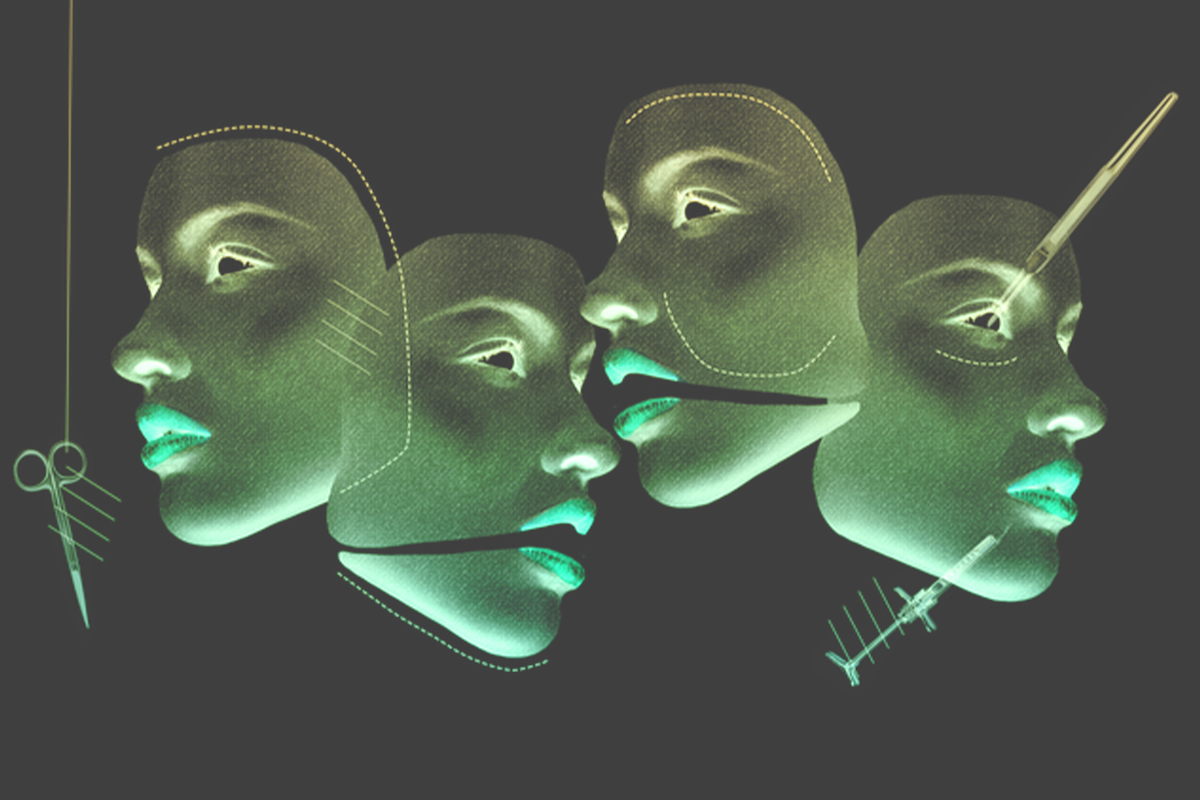
The standards of beauty or hidden violence; celebrities are only judged by the patriarchal standards and that’s all/Baran Nazarpour.
The expansion and penetration of the internet and the possibility of universal access to the virtual space in recent decades have led to changes in the style, model, and way of life of humans, and as a result, changes in standards have occurred. So that people, from the most remote areas of the world to […]...
Read More
Created By:
Baran Nazarpour March 21, 2021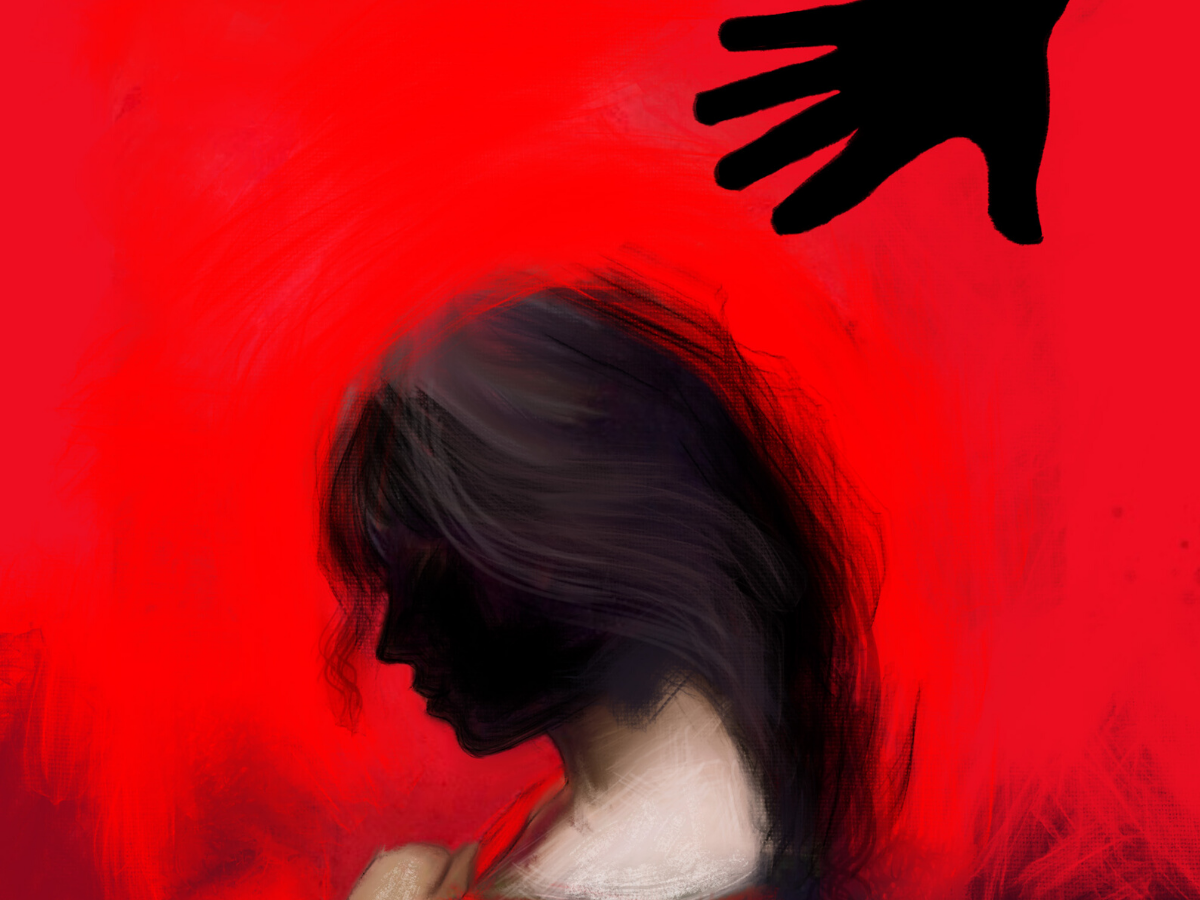
The Relationship between Gender Roles in Patriarchal Society and Suicide/Elham Amani
Emile Durkheim, a nineteenth and early twentieth century sociologist, is considered the founder of the science of sociology. His book on suicide, published in 1897, still has a significant impact on the development of strategies to combat suicide, a bitter reality in human society. Durkheim’s research is considered the first reference model in the field […]...
Read More
Created By:
Elahe Amani February 19, 2021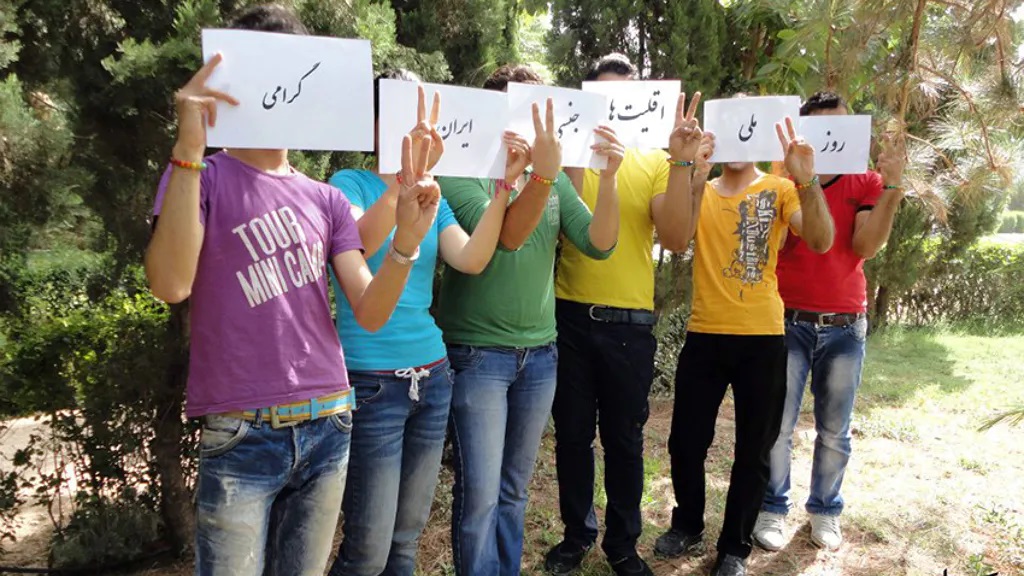
The rejection of the rights of sexual minorities in the shadow of tyranny and patriarchy/Baran Nazarpour
Writing about the violation of fundamental family rights of LGTB+ individuals in an oppressive and patriarchal society like Iran is like writing with a fragile candle in the midst of a storm of darkness and injustice. More than two hundred years have passed since the French Revolution and more than a hundred years since the […]...
Read More
Created By:
Baran Nazarpour February 19, 2021
Sexism is a malicious act against women/Fatemeh Mohammadi.
The text is not provided. Please provide the Farsi text to be translated. Fatemeh Mohammadi Sexism or gender discrimination does not only target one gender; women, men, and even sexual minorities are not immune to pressures, limitations, and discrimination. Gender discrimination has a long history and manifests itself in various forms and with different levels […]...
Read More
Created By:
Fatemeh Mohammadi July 23, 2019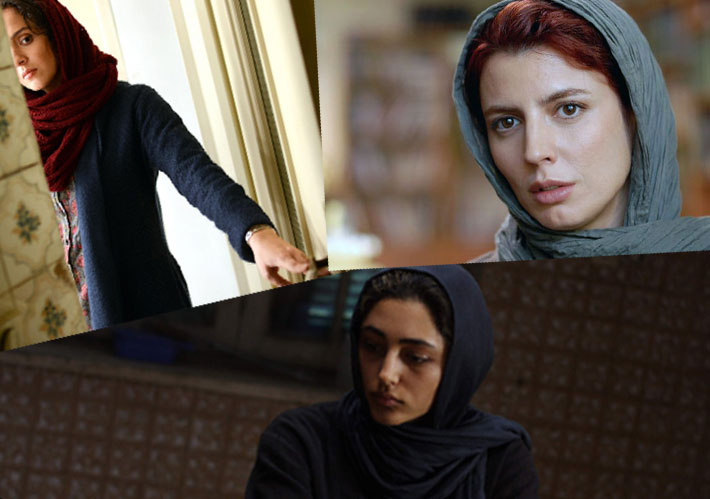
Three Women of Farhadi/ Mostafa Azizi
This is not a complete sentence, so it cannot be accurately translated. Please provide the full text for an accurate translation. Mostafa Azizi Women in Farhadi’s cinema are always the subject of the story, without being the main character. The deepest issues of women are narrated from the perspective of the male character, who is […]...
Read More
Created By:
Mustafa Azizi March 27, 2017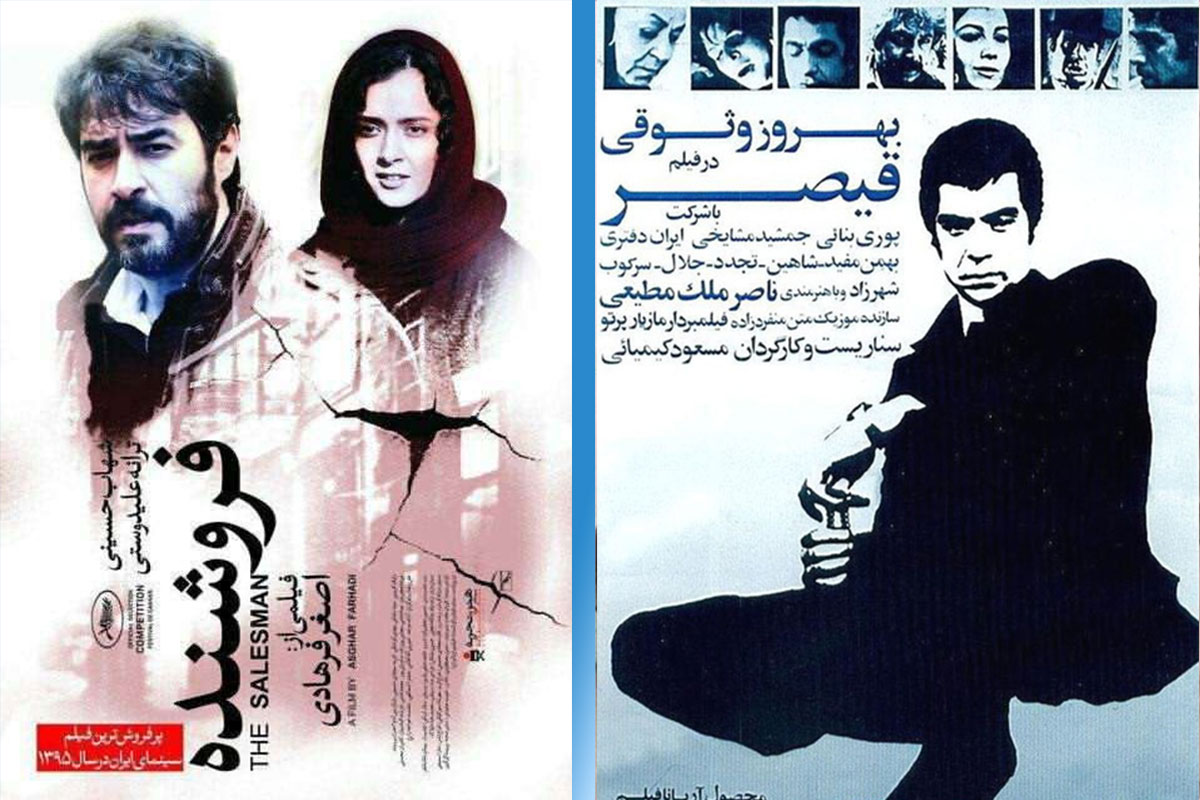
From Caesar Kimiaei to Farhadi the seller; Changing the image of women in Iranian cinema / Ali Ajami.
This is a caption. Ali Ajami In the span of half a century, Iranian society has undergone significant changes from the film “Qeysar” (1348) to “The Salesman” (1396). Comparing the portrayal of Iranian society in these two films can demonstrate these changes; however, this writing will focus on the changes that have occurred in the […]...
Read More
Created By:
Ali Ajami March 27, 2017
Created By:
Mohammad Javad Akbarin November 26, 2016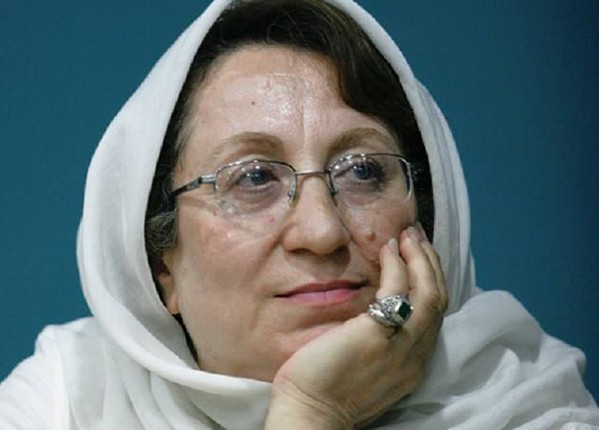
Dr. Nahid Tousli: There is no hope for the approval of fair laws regarding women’s rights in the parliament / Ali Kalaii.
Despite the increase in the number of female representatives in the Islamic Consultative Assembly, there is still not much hope for the drafting and passing of completely equal and fair laws regarding women’s rights. This is the perspective of Dr. Nahid Tavassoli, a sociologist, researcher, and women’s rights activist, who was interviewed by Khat-e-Solh in […]...
Read More
Created By:
Ali Kalaei May 24, 2016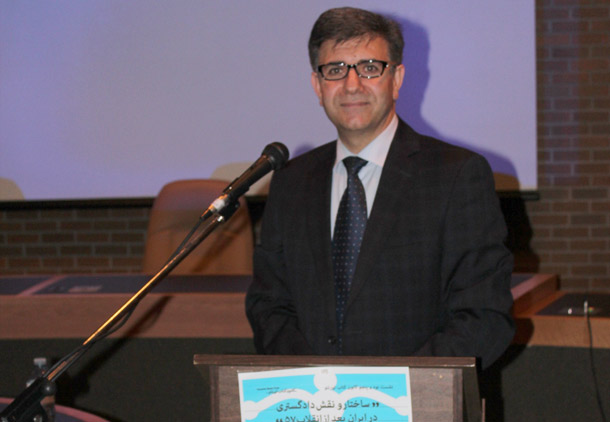
Hossein Raeisi: The traditional legal system in Iran is the breeding ground for domestic violence/ Siavash Khorramgah.
Conversation with Siavash Khoramgah Hossein Raeisi, has graduated from Shiraz and Tehran universities in the fields of judicial law and criminal law, and is currently a human rights professor at the University of Ottawa in Canada. Mr. Raeisi, who has more than twenty years of experience as a lawyer, has a special focus on certain […]...
Read More
Created By:
Siavash Khoramgah May 24, 2016
Feminism; a movement for men? / Nahid Dostdar
This is a caption [/caption] This is a caption. Naeimeh Dostdar In the past, there has been a discussion among feminists – who have mainly been women for historical reasons – about whether men can also be feminists. Should men, who are believed by many to be the main agents of patriarchal and gender-based inequality […]...
Read More
Created By:
Naeimeh Doustar May 24, 2016
