


Gender discrimination 2
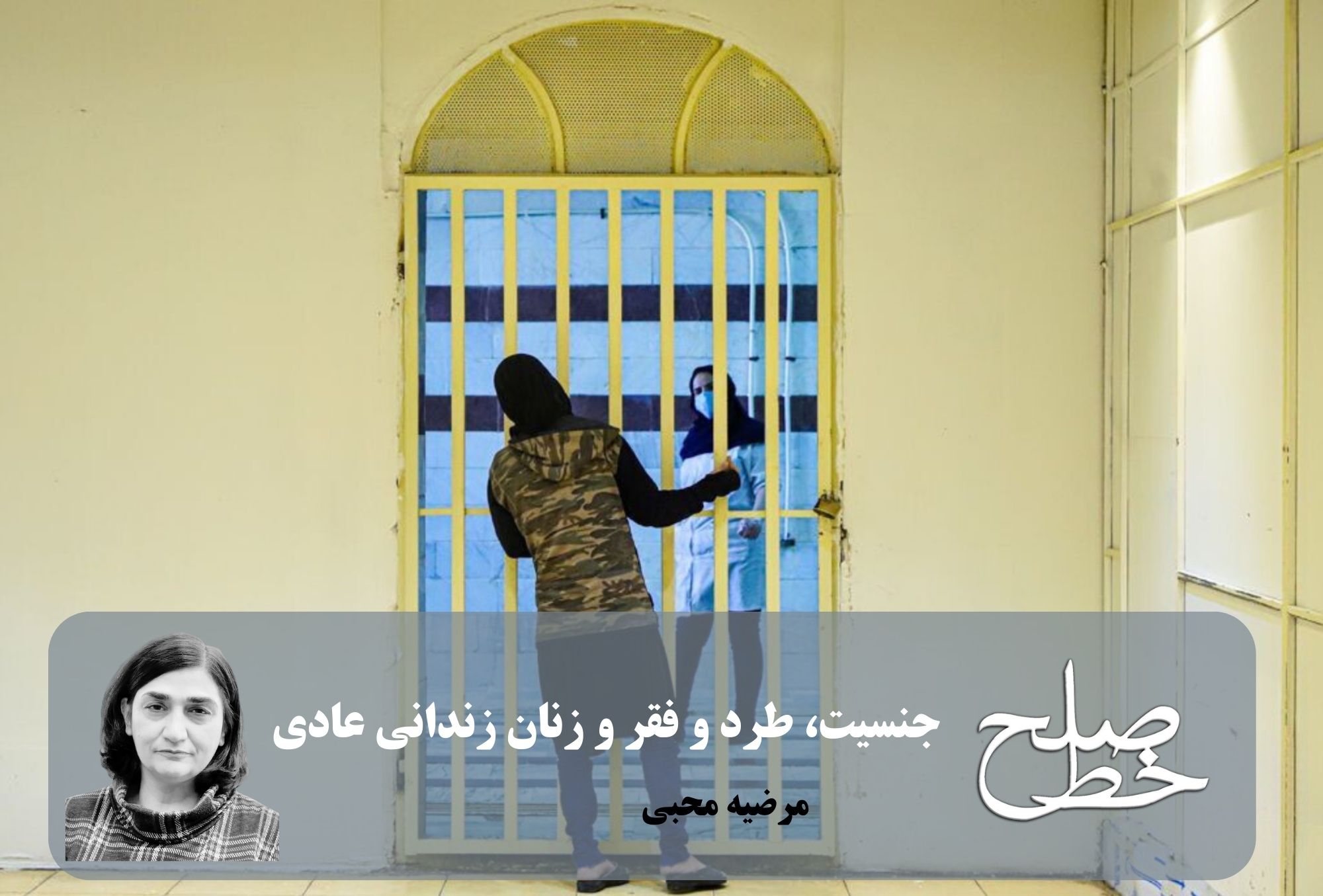
Gender, expulsion, poverty, and incarcerated women/ Marzieh Mohabbi
The life of incarcerated women is more than that of free women, subject to gender discrimination. Women who are deprived and homeless are thrown into the trap of a criminal life, and are also subject to removal and expulsion. The social system condemns them to a useless surplus and exiles them, depriving them of their […]...
Read more By:
Marziye Mohebbi
By:
Marziye Mohebbi June 21, 2024
“Women prisoners and the struggle against discrimination / Zahra Bagheri-Shad”
Minority women make up prisoners all over the world, estimated to be between two and nine percent of the total prison population. This is despite the fact that the number of female prisoners has significantly increased in some countries and even compared to the number of male prisoners, the increase in female prisoners is remarkable. […]...
Read more
By:
Zahra Bagherishad June 21, 2024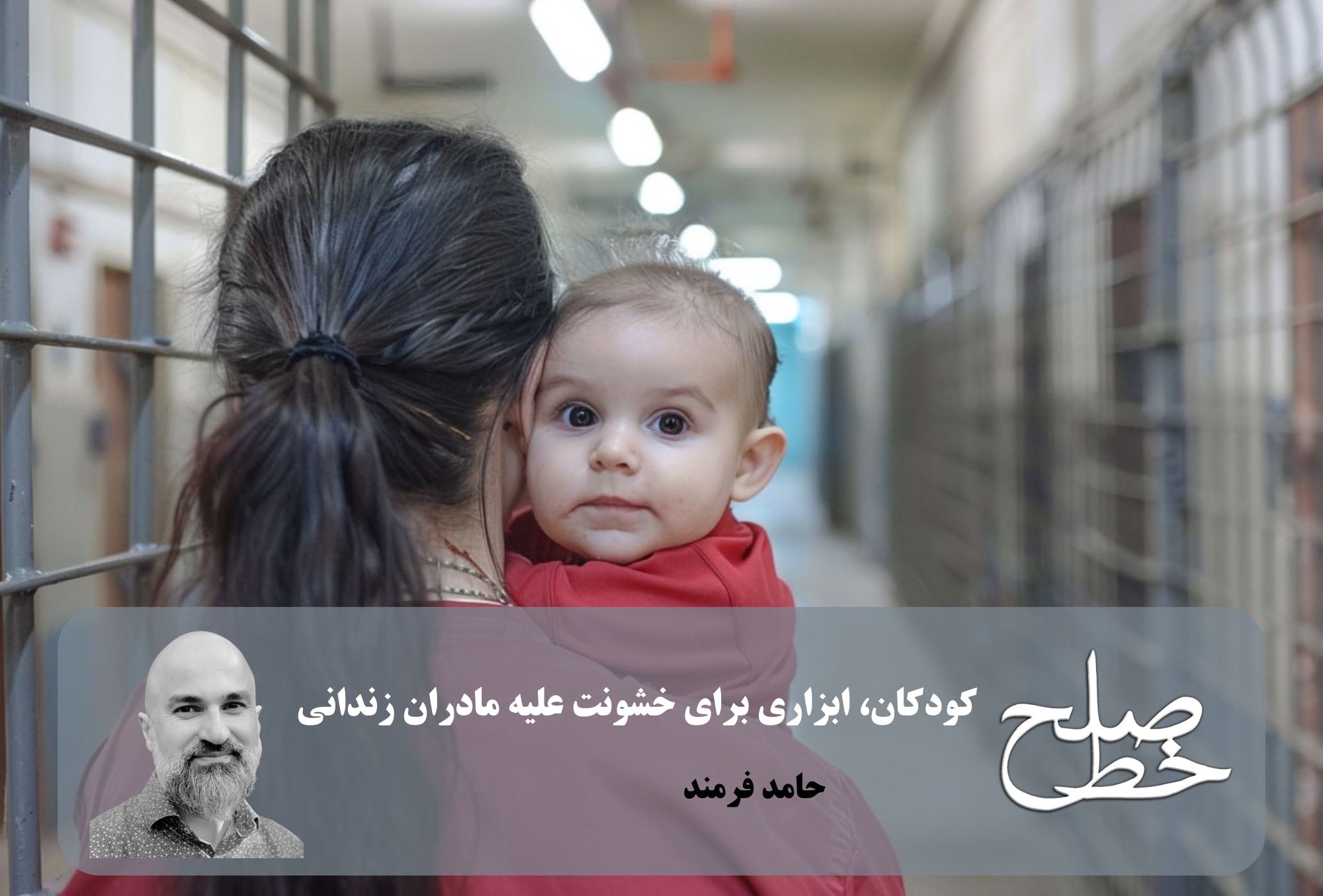
“Children, tools for violence against imprisoned mothers / Hamed Farmand”
When we talk about women prisoners as a specific group of prisoners, we are talking about intersecting discriminations that affect women differently than male prisoners. Of course, we also consider that multiple oppressions also affect individuals with different gender identities. This note focuses on a specific group of women, namely mothers, who experience discrimination and […]...
Read more
By:
Hamed Farmand June 21, 2024
Children behind bars/ Ehsan Haghani
Childhood is the most formative period of human life and how it is spent will greatly determine the fate of individuals. Spending this time in a home environment and alongside family members – especially the mother – is essential for a healthy transition into adulthood. The significance of this period has allocated a considerable portion […]...
Read more
By:
Ehsan Haghi June 21, 2024
Naghbi is committed to laws supporting incarcerated women / Mohammad Hadi Jafarpour.
Discrimination based on gender and the marginalization of individuals based on their sex is a major reason why activists for civil and human rights pay attention to the issue of women and their rights. The Universal Declaration of Human Rights in December 1979 was accepted by the United Nations General Assembly and was put into […]...
Read more
By:
Mohammad Hadi Jafarpour June 21, 2024
The necessity of accountability for judicial authorities and prisons / Qasem Badi
From the moment a person is placed in a state of imprisonment and deprived of freedom, they will not be able to provide many of their basic needs, including facilities and necessary conditions for health and medical matters. This responsibility falls on the government, prison administration, and the provision of necessary measures and training, in […]...
Read more
By:
Qasem Bodi June 21, 2024
The challenges of life after prison for women / Farzaneh Goli
Women usually pay more attention to the location and space of the prison when describing it. This is why being separated from other public spaces is one of the characteristics that they focus on. For example, a female prisoner with less than a high school education, whose husband has passed away and has three daughters, […]...
Read more
By: June 21, 2024
Who are the oldest female political prisoners in Iran? / Morteza Hamouni
The history of post-constitutional Iran is marked by the presence of motivated and active women who have participated and continue to participate in politics and society in modern Iran. They have been pioneers of progress and new movements in this land. From the very beginning of the constitutional era, when women’s organizations were formed in […]...
Read more
By:
Morteza Hamounian June 21, 2024
Women behind bars, injustice and double discrimination/ Elaheh Amani
Gender inequality in criminal justice systems is an international problem that violates women’s human rights in all countries. Female prisoners are mostly from vulnerable and economically and socially disadvantaged backgrounds, and they experience double deprivation in prison, as the structure and culture of prisons have historically been designed for male prisoners. Despite the efforts of […]...
Read more
By:
Elahe Amani June 21, 2024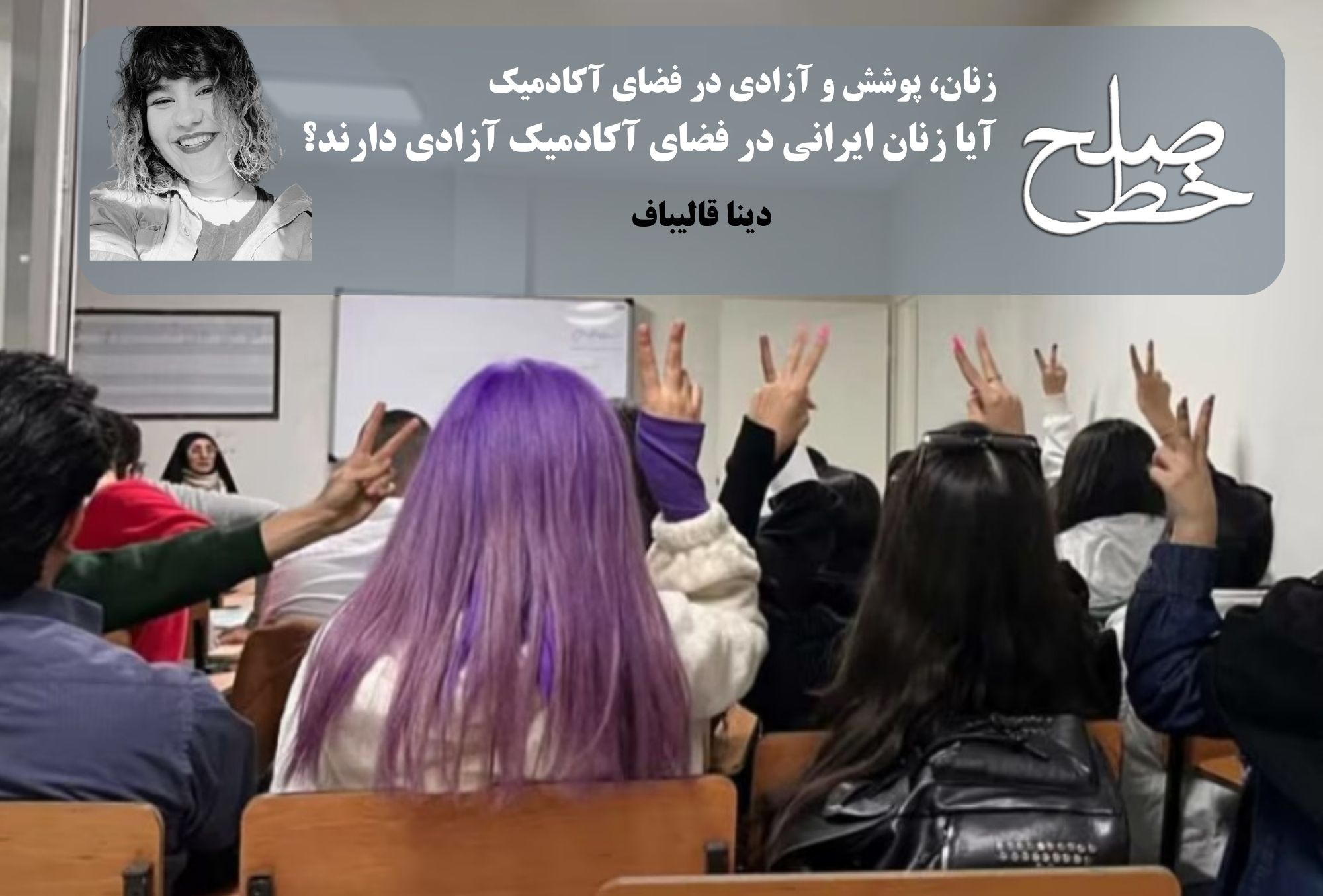
Do Iranian women have freedom in academic spaces? / Dina Ghaleibaf
In Iran, all students sign a commitment when registering at university, stating that after passing the entrance exam, this commitment signature is considered a crucial requirement for entering university or academic spaces. If a student resists signing this commitment, they will not be allowed to register at the university. In the text that students sign, […]...
Read more
By:
Dina Ghalibaf June 21, 2024
The Premier League and the female/spectators Zahra Rahimi
One of the prohibitions that was imposed after the February 1979 revolution due to the policies of the Islamic Republic, which aimed to separate men and women from each other, was the ban on women attending men’s sports competitions and vice versa in stadiums and sports arenas. In line with this policy, men are not […]...
Read more
By:
Soghra Rahimi June 21, 2024
“Examining the Negative Social and Familial Effects of the “Noor Plan”; A Conversation with Fatemeh Mousavi Vaiyeh and Pedram Tahsini”
Without a doubt, what I see today on the streets of the country, especially in the capital, has no relation to “light”. What is being implemented under the name of “Light Plan” is, in other words, the same cultural cleansing that resulted in the death of Mahsa Amini and widespread protests across the country for […]...
Read more
By:
Admin May 21, 2024
