


Paragraph
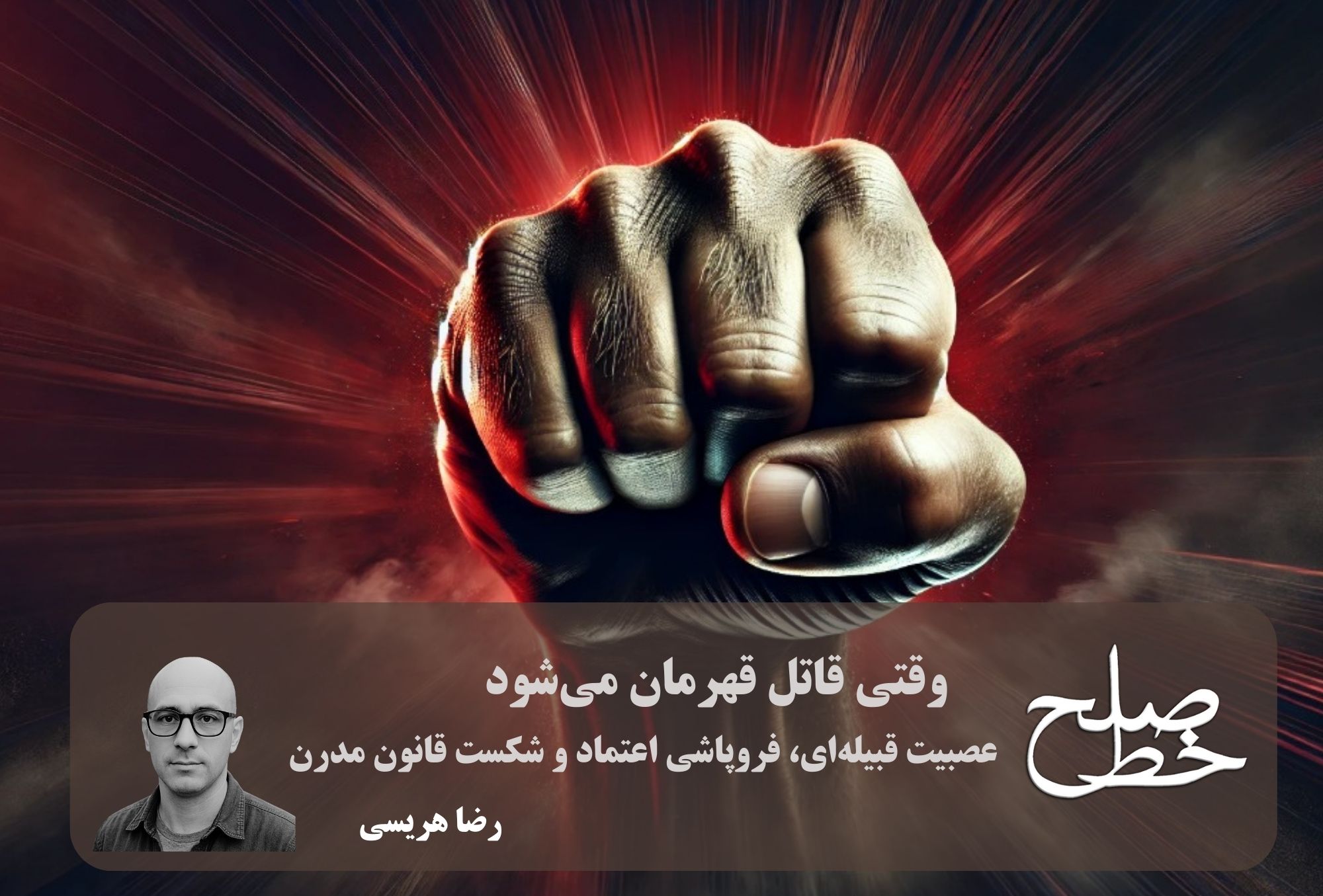
When a murderer becomes a hero/Reza Harisi
In the framework of modern ethics and legal systems based on collective rationality, “murder” is defined as the most fundamental assault on human life and the violation of all social conventions; whether the victim is a young woman who is the victim of an honor killing on suspicion of wrongdoing in emotional and sexual relationships, […]...
Read More Created By:
Reza Harisi
Created By:
Reza Harisi December 22, 2025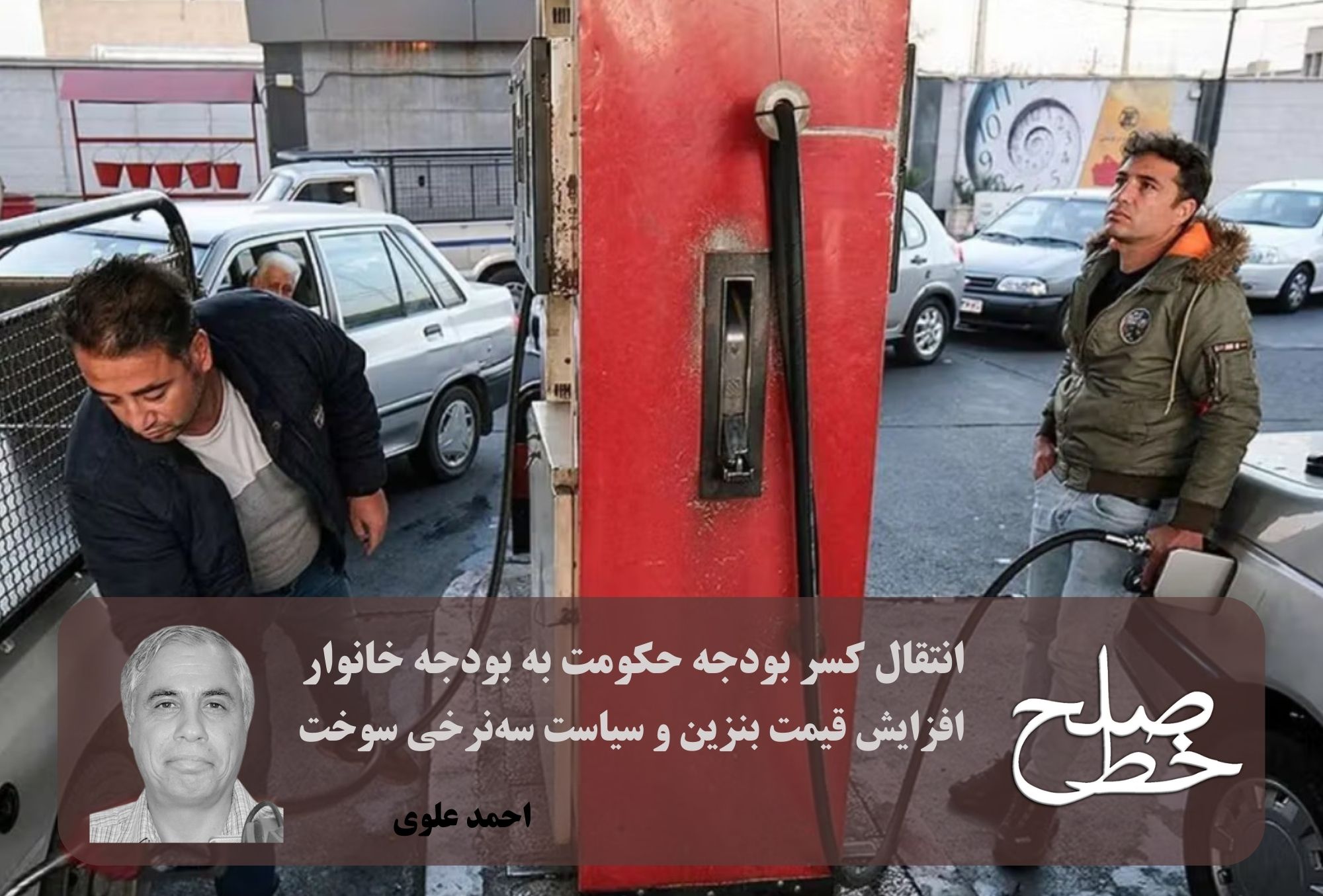
Transferring the government budget deficit to the household budget/Ahmad Alavi
Recent developments in Iran’s energy policy, particularly the triple-price gasoline pricing and price increases, have once again brought the long-standing issue of the relationship between pricing policies, governance structure, and household economics into the spotlight. The government promotes this policy with ostensibly economic goals, including controlling consumption, targeting subsidies, and reducing pressure on the public […]...
Read More
Created By:
Ahmad Alavi December 22, 2025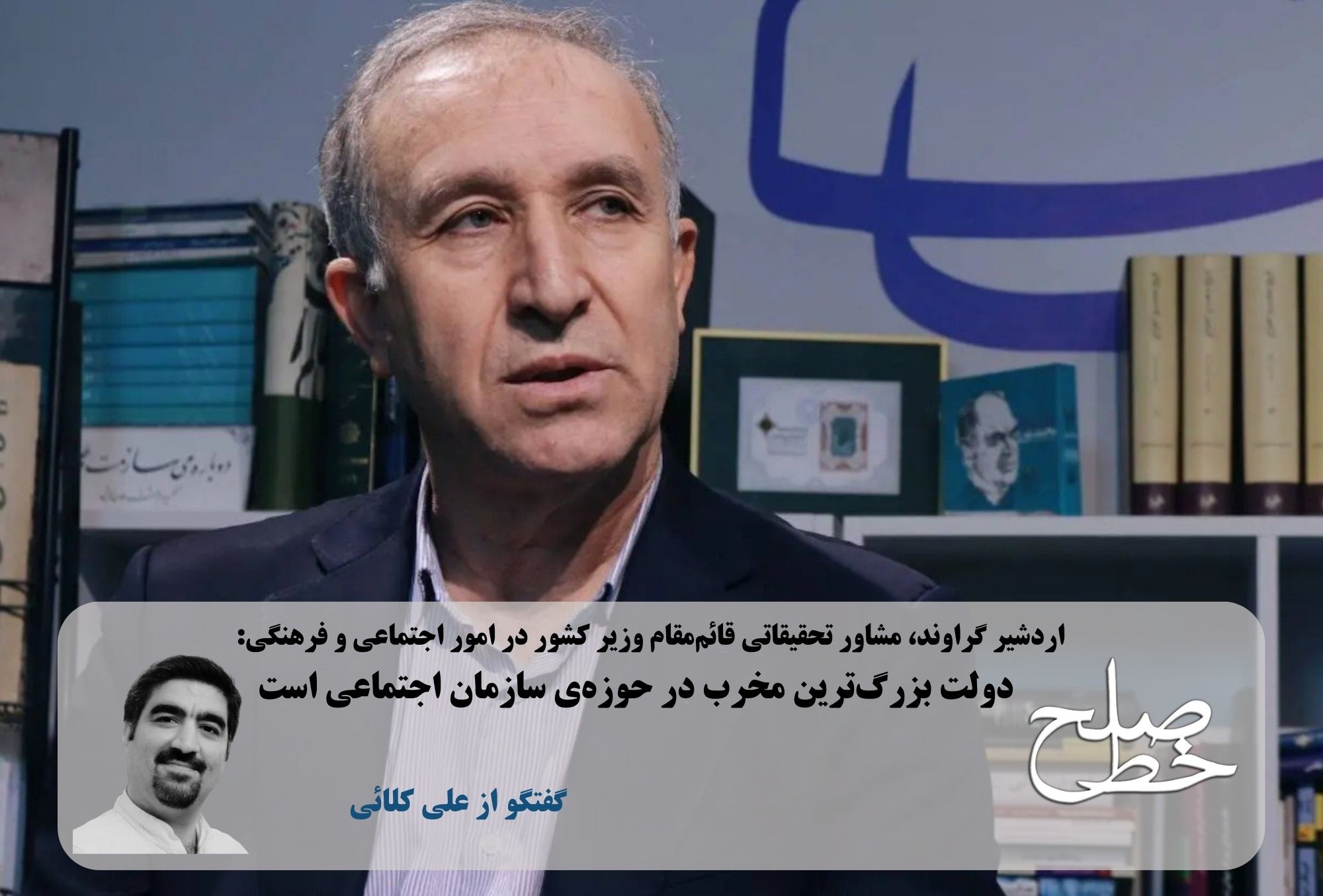
Ardeshir Garavand: The government is the greatest destroyer in the field of social organization/Ali Kalai
In Iran today, inequality is no longer limited to the gap in income or lifestyle, but rather this inequality and class differences have taken on new dimensions and found new practices. The question is: how have these gaps formed and in what direction are they taking Iranian society? Are we still faced with traditional patterns […]...
Read More
Created By:
Ali Kalaei November 22, 2025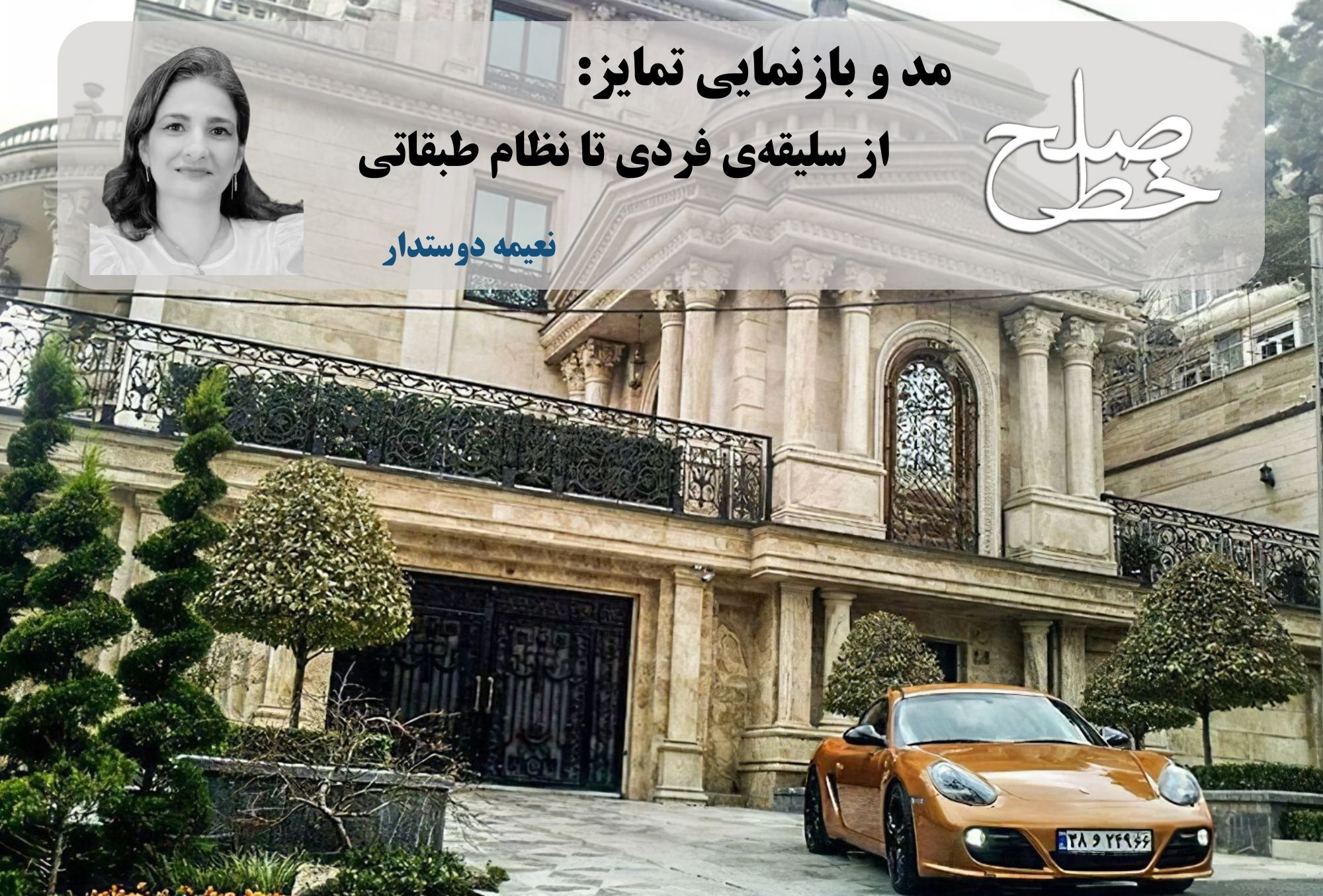
Fashion and the Representation of Distinction: From Personal Taste to Class System/ Naeimeh Doostdar
What is seen on the streets today is not merely a variety of styles, but a silent, ongoing competition between social classes—inscribed on the surface of the body. Hair color, eyebrow shape, the cut of a manteau, and even the quality of makeup have become markers that reveal opportunities, limitations, and economic divides. In a […]...
Read More
Created By:
Naeimeh Doustar November 22, 2025
From Bread to Justice/ Mina Javani
Food insecurity in Iran is no longer merely a subsistence issue; it is a symptom of deeper fractures in the country’s economic, environmental, and institutional structures. In a world where food production has never been so technologically widespread, the persistence of hunger and malnutrition across societies points above all to inequality in resource distribution and […]...
Read More
Created By:
Mina Javani November 22, 2025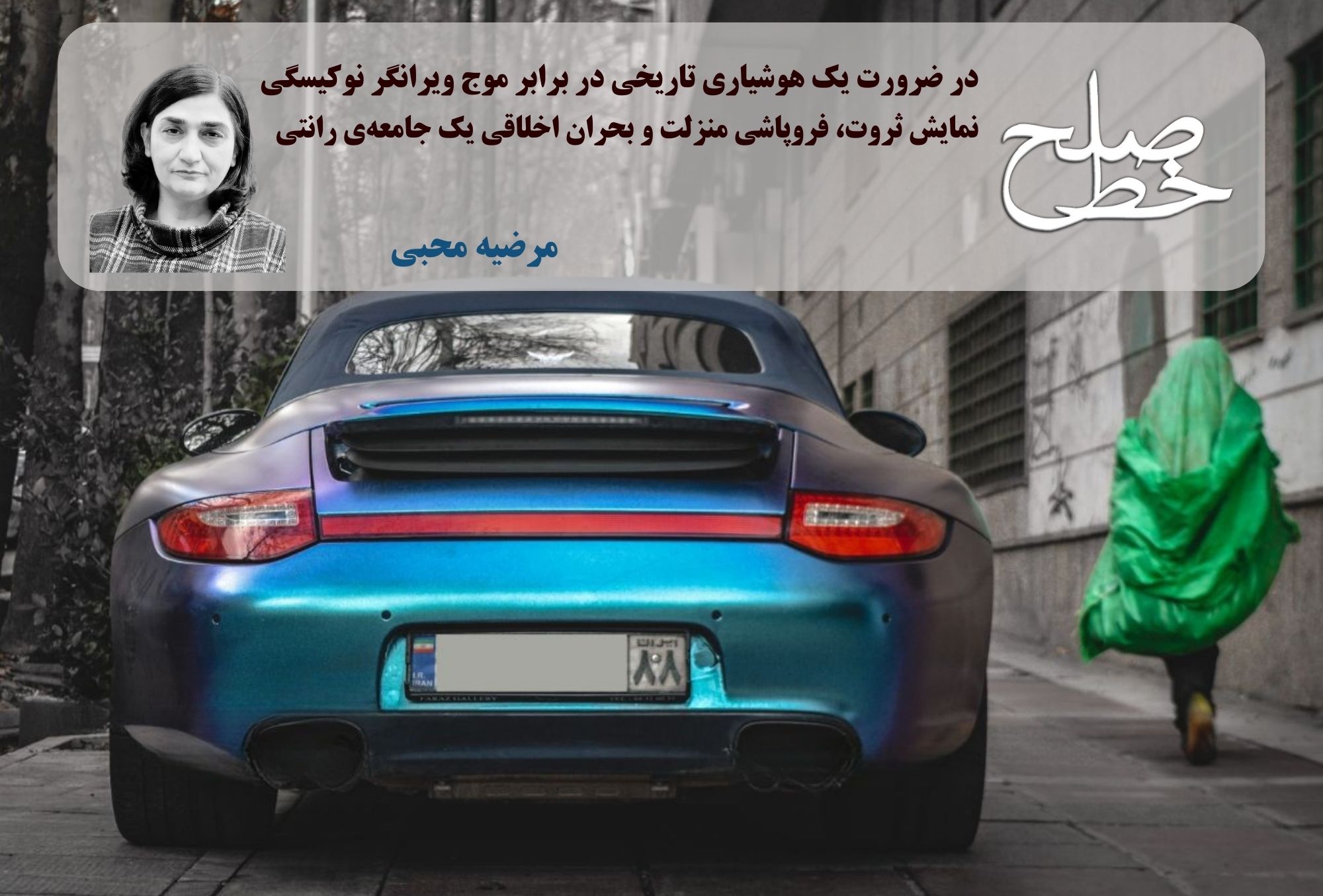
On the Necessity of Historical Vigilance Against the Destructive Wave of Nouveau Riche Culture/ Marziyeh Mohebbbi
They do not know what to do with their windfall fortunes, nor how to convince their peers, friends, acquaintances, and the general public that they have swiftly ascended the ladders of prosperity, civilization, and wealth—so rapidly, in fact, that they now count themselves among the legendary elite and aristocracy. Sometimes, they showcase their financial power […]...
Read More
Created By:
Marziye Mohebbi November 22, 2025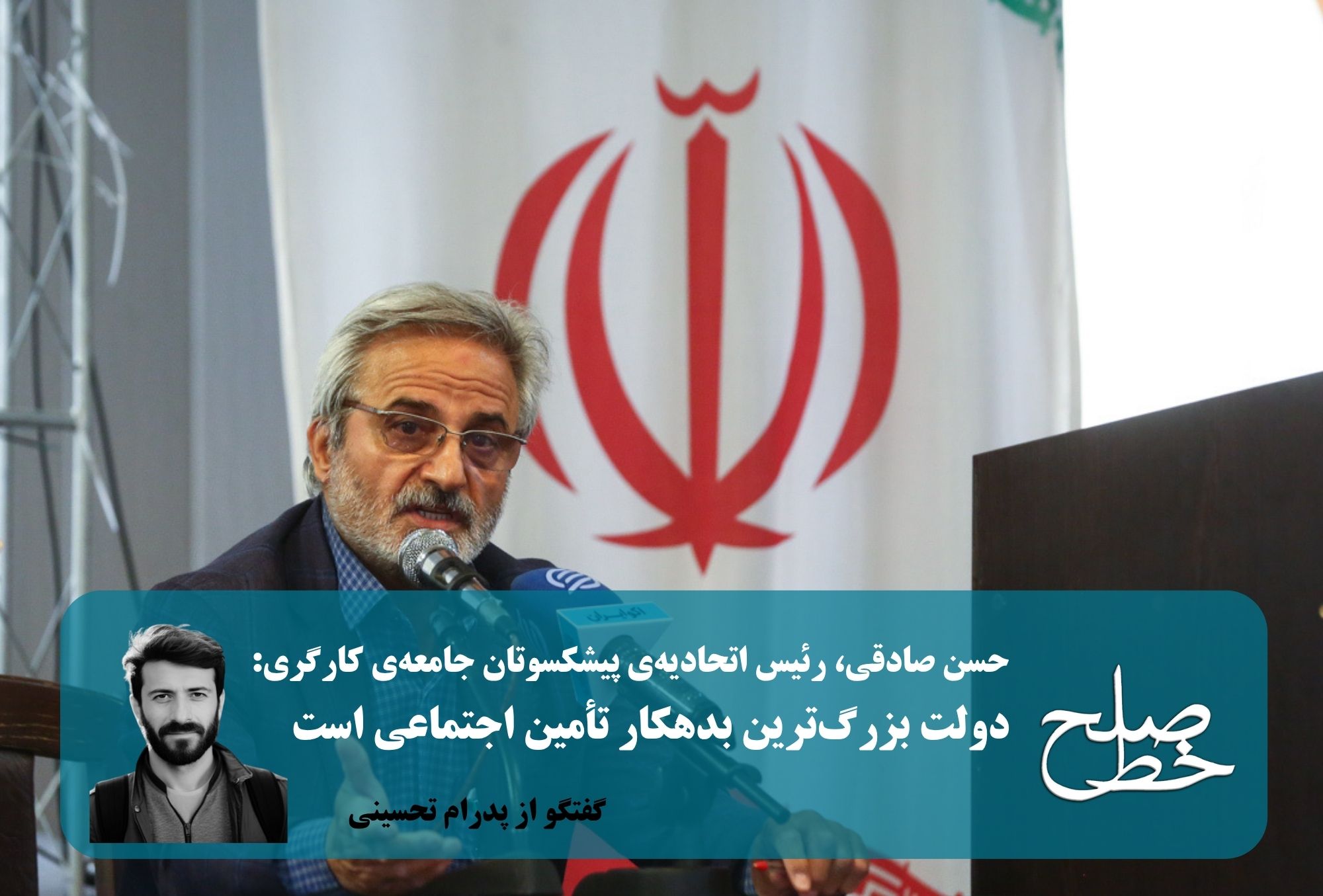
Hassan Sadeghi: The Government Is Social Security’s Biggest Debtor/ Pedram Tahassoni
In recent years, as the shadow of crisis has grown heavier over the country’s pension systems, conversations with those who have spent their lives working in this field have become all the more vital. The social security system, as one of the main pillars of social justice and economic sustainability, reflects—both in Iran and elsewhere—the […]...
Read More
Created By:
Padram Tahsini October 23, 2025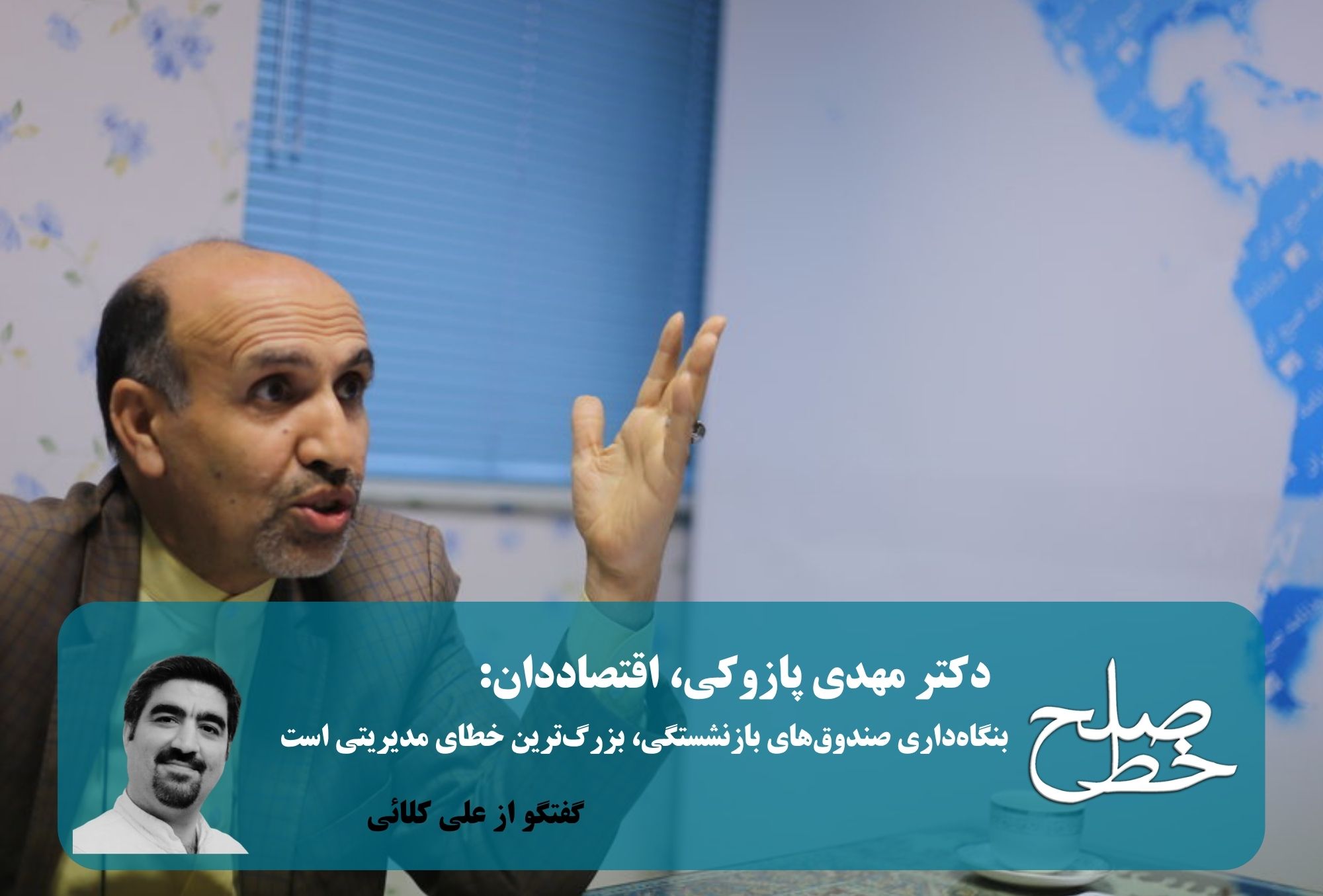
Mehdi Pazouki: The Business Operations of Pension Funds Are the Greatest Managerial Mistake/ Ali Kalaei
While signs of bankruptcy among Iran’s pension funds are appearing one after another, and their financial burden increasingly weighs on the national budget each year, the need to discuss the causes and consequences of this situation is more urgent than ever. Peace Mark Monthly Magazine, in this regard, conducted a candid interview with Dr. Mehdi […]...
Read More
Created By:
Ali Kalaei October 23, 2025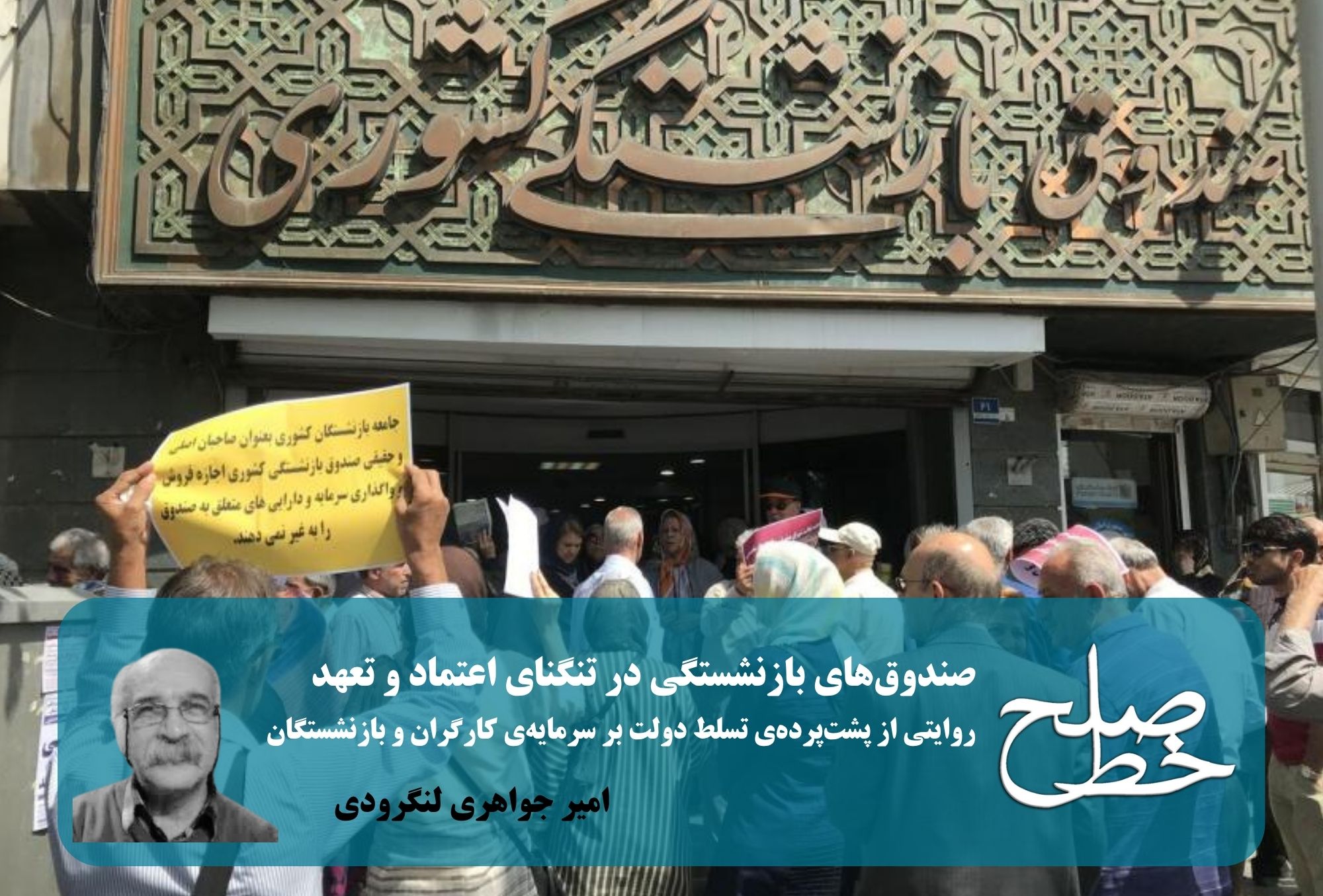
Pension Funds in the Strait of Trust and Obligation/ Amir Javaheri Langroudi
In recent years, the condition of pension funds—especially the Cultural Workers Reserve Fund and the performance of the Social Security Organization—has attracted the attention of many researchers, social activists, and fund members. The importance of this issue is evident not only in theory but also in practice, as its crisis-inducing consequences directly and significantly impact […]...
Read More
Created By:
Amir Javaheri Langaroudi October 23, 2025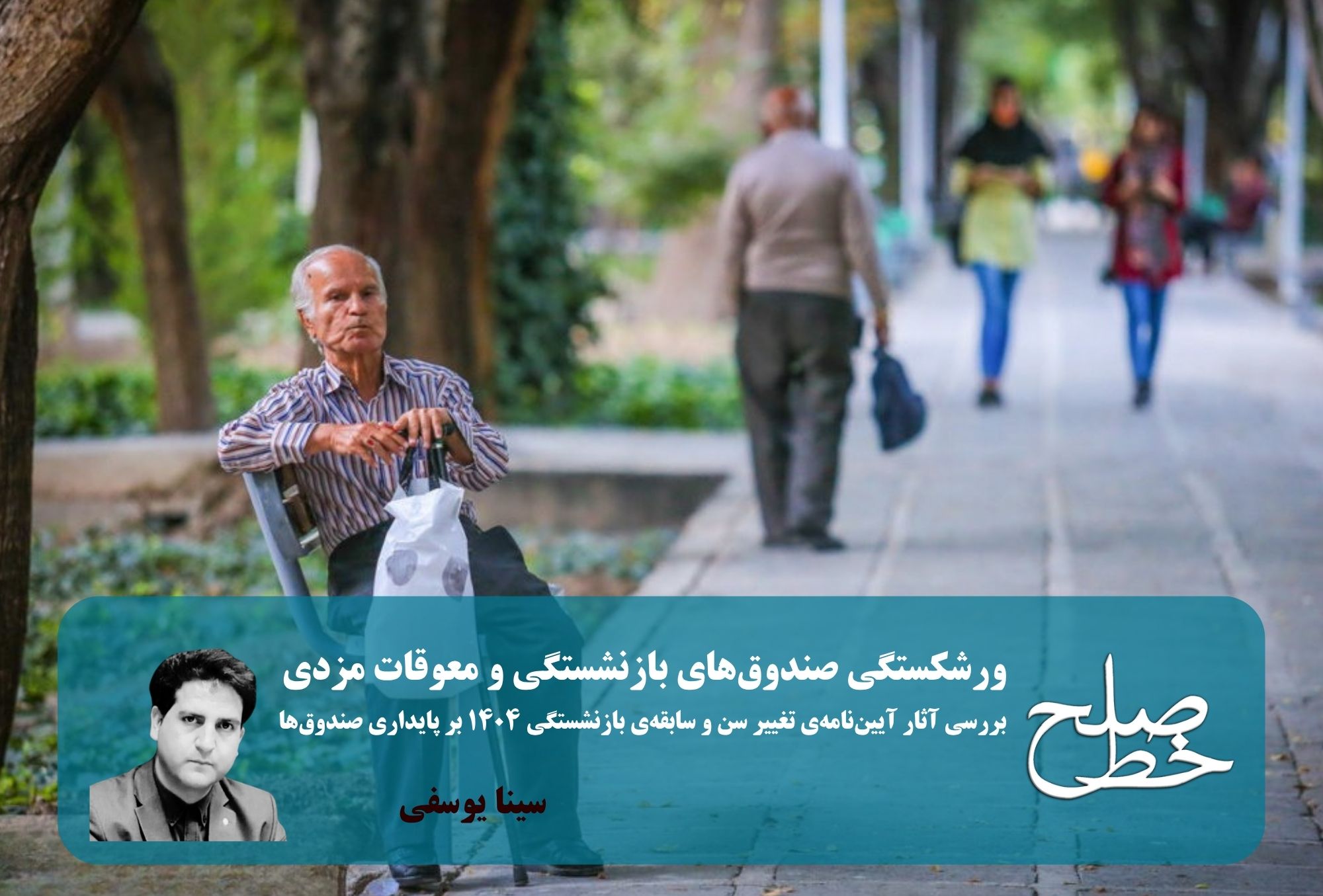
The Bankruptcy of Pension Funds and Wage Arrears/ Sina Yousefi
In recent decades, the country’s pension funds—especially the Civil Servants Pension Fund, the Social Security Organization, and the Armed Forces Pension Fund—have faced a deep structural crisis. This crisis stems from chronic imbalance between resources and expenditures, unprofessional policymaking, and weak corporate governance in managing these institutions. The share of public budget contributions to cover […]...
Read More
Created By:
Sina Yousefi October 23, 2025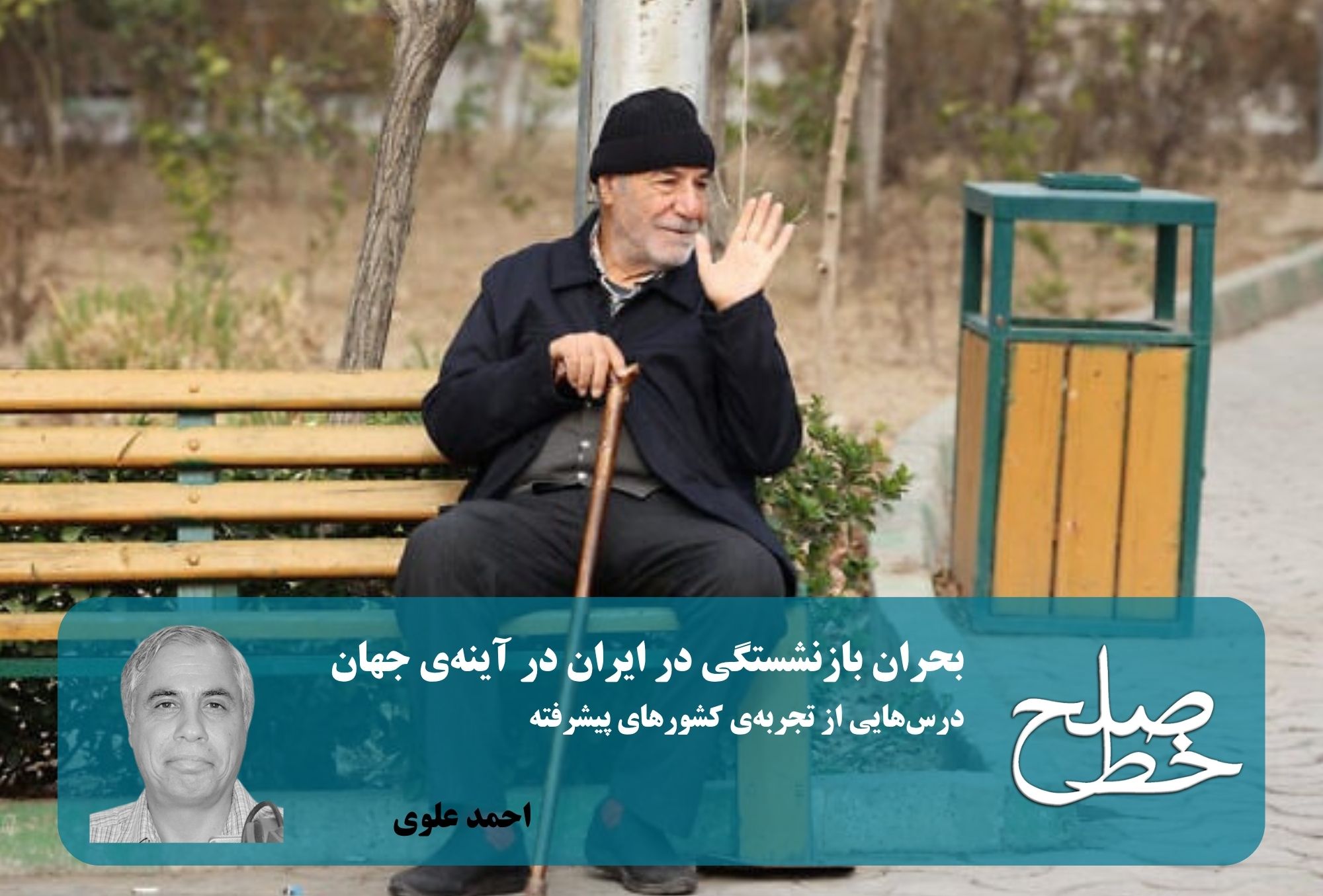
The Pension Crisis in Iran Through a Global Lens/ Ahmad Alavi
Pension funds, as the cornerstones of social security systems, play a key role in ensuring economic security, reducing poverty, and strengthening social cohesion. However, inefficiencies in these funds can lead to economic instability, increased inequality, and erosion of public trust. In Iran, pension funds such as the Civil Servants Pension Fund and the Social Security […]...
Read More
Created By:
Ahmad Alavi October 23, 2025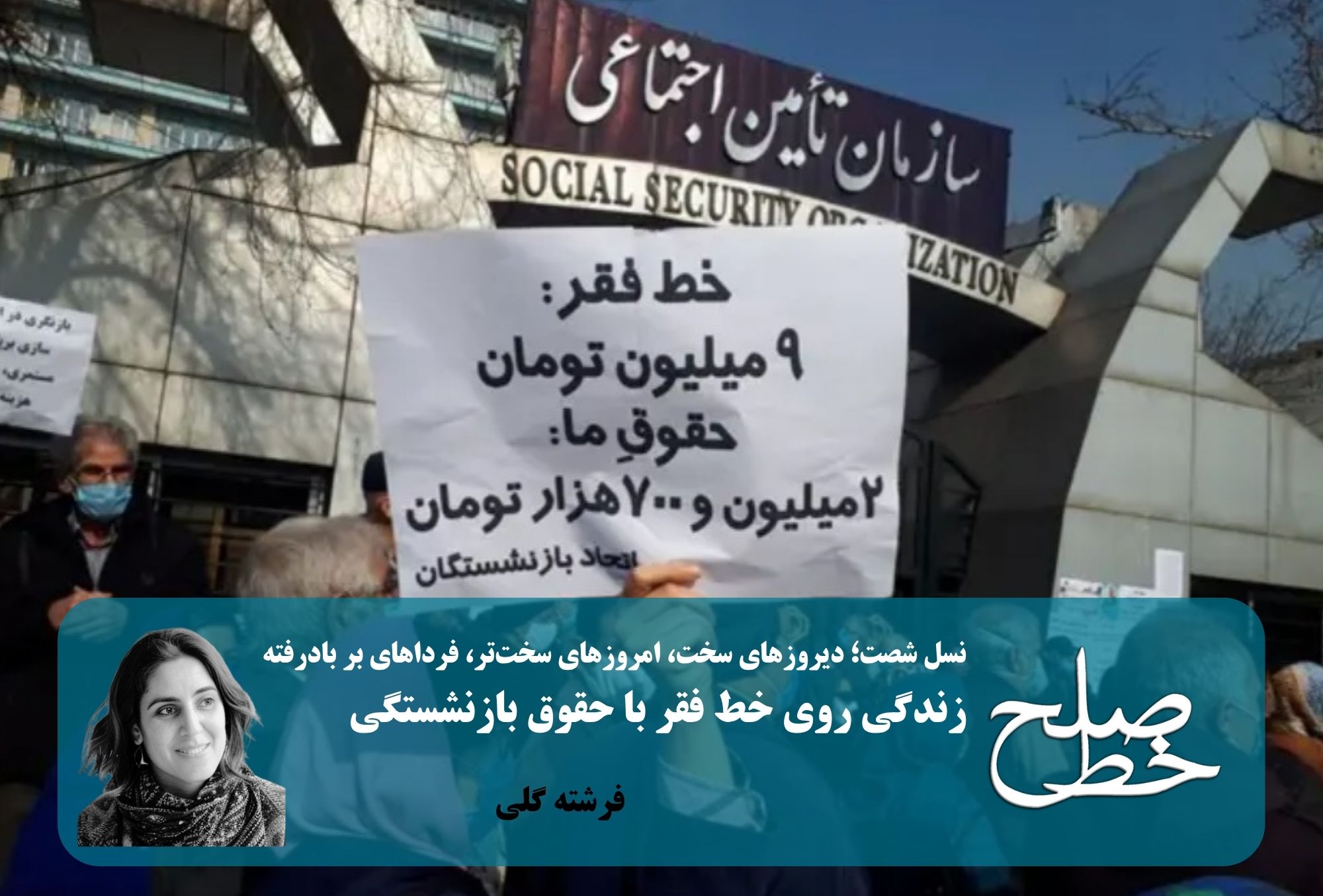
Generation of the 1980s: Hard Yesterdays, Harder Todays, Vanished Tomorrows/ Fereshteh Goli
In Iran, pension funds are financial-social institutions established to provide for individuals during old age and retirement. Their mechanisms rely on collecting insurance premiums from the workforce (employees and employers) and investing these funds, so that monthly pensions and other legal benefits can be paid to retirees. In essence, these institutions operate based on an […]...
Read More
Created By:
Fereshteh Goli October 23, 2025
