


Lowland
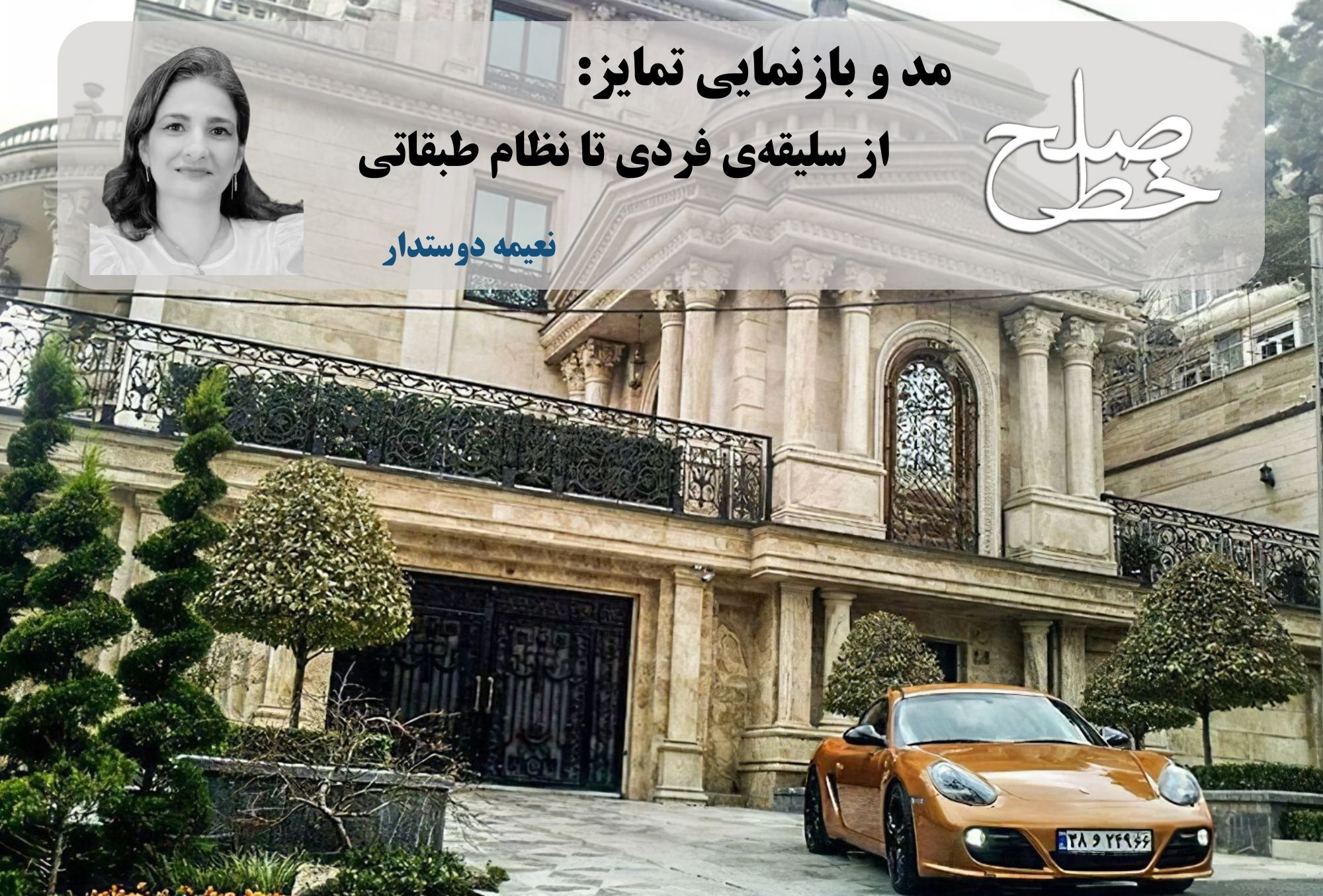
Fashion and the Representation of Distinction: From Personal Taste to Class System/ Naeimeh Doostdar
What is seen on the streets today is not merely a variety of styles, but a silent, ongoing competition between social classes—inscribed on the surface of the body. Hair color, eyebrow shape, the cut of a manteau, and even the quality of makeup have become markers that reveal opportunities, limitations, and economic divides. In a […]...
Read More Created By:
Naeimeh Doustar
Created By:
Naeimeh Doustar November 22, 2025
From Bread to Justice/ Mina Javani
Food insecurity in Iran is no longer merely a subsistence issue; it is a symptom of deeper fractures in the country’s economic, environmental, and institutional structures. In a world where food production has never been so technologically widespread, the persistence of hunger and malnutrition across societies points above all to inequality in resource distribution and […]...
Read More
Created By:
Mina Javani November 22, 2025 Created By:
Kourosh Zeyghami November 22, 2025
Created By:
Kourosh Zeyghami November 22, 2025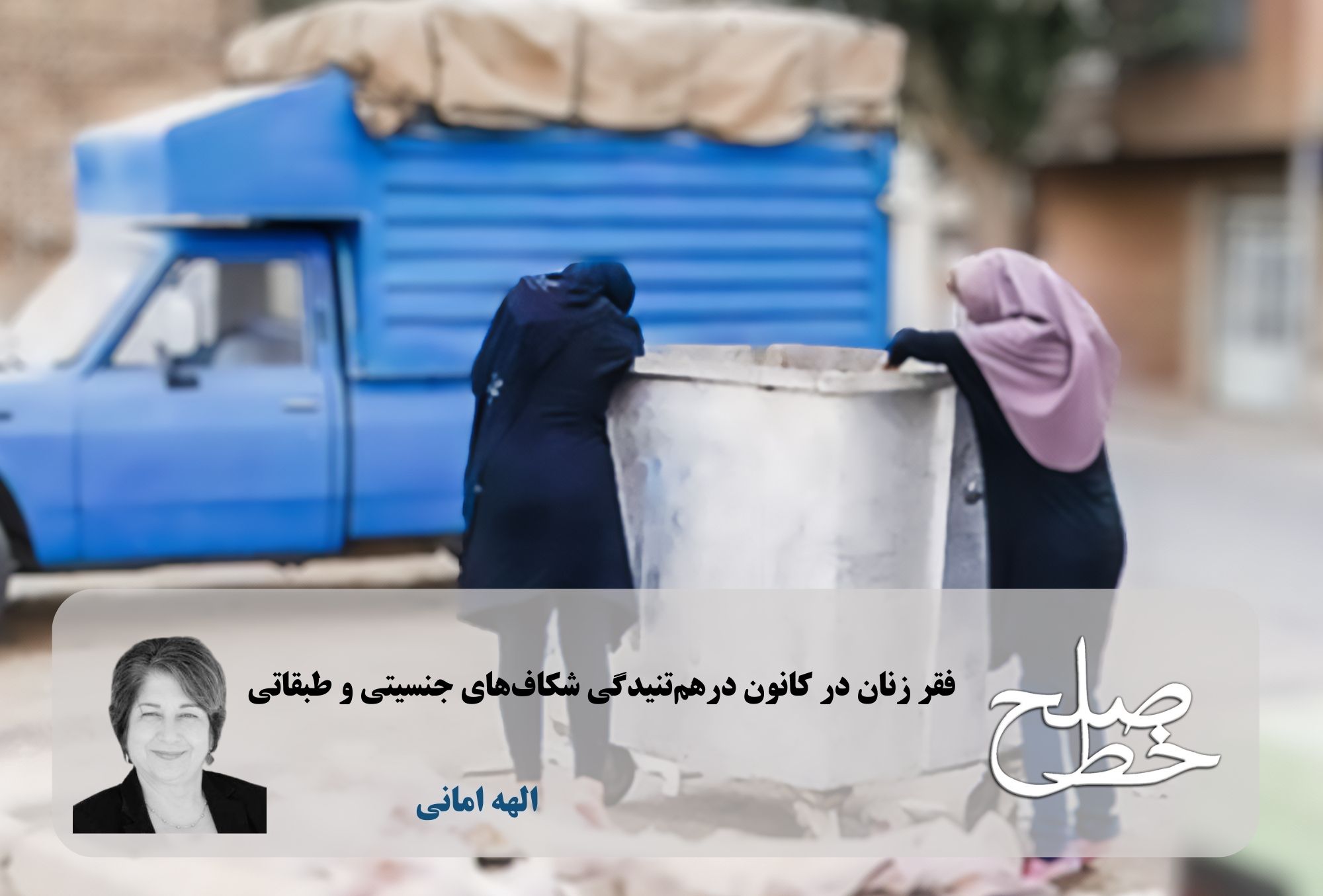
The Feminization of Poverty at the Intersection of Gender and Class Inequality/ Elahe Amani
In his 2020 speech at the “Nelson Mandela Annual Lecture” titled “Tackling the Inequality Pandemic: A New Social Contract for a New Era,” António Guterres, Secretary-General of the United Nations, offered strong criticism of neoliberal politicians and theorists. These were the same individuals who, at the height of the COVID-19 pandemic, claimed, under the slogan […]...
Read More
Created By:
Elahe Amani November 22, 2025
Selling Happiness on Social Media/ Pardis Parsa
In recent decades, with the dizzying speed of technological advancement and the growth of communication tools, people’s lives and their social relations have inevitably come under the influence of media. Social media platforms—especially image-based ones like Instagram, which entered the scene promising to eliminate distances—have, in practice, turned into the main stage for displaying social […]...
Read More
Created By:
Pardis Parsa November 22, 2025
Iranian subsidies; the most bizarre economic calculation in human history / Keyumars Amiri
On the eve of the ancient holiday of Nowruz, the biggest Iranian holiday, the government of the Islamic Republic of Iran is paying a subsidy of forty-five thousand and five hundred tomans to the people, while the price of one kilogram of Iranian rice is one hundred thousand tomans. With this subsidy, a family of […]...
Read More
Created By:
Kiomars Amiri March 21, 2022
The government should focus on producing social housing with the participation of the private sector; in conversation with Dr. Shahreh Ghamarfallah/Conversation from Simin Roozgard.
In this issue of Khat-e-Solh, we talked with Dr. Shahreh Ghamar-Fallah about the social dimensions of housing, especially rental housing. She sees the concept of government in providing public services such as health, water, electricity, housing, and basic services to the people and believes that these services should not be left to the market. She […]...
Read More
Created By:
Simin Rouzgard September 22, 2020
