


HumanRights

Checkpoint or Deathtrap? A Dark Account from Tarik-Darreh, Hamedan After the Twelve-Day War / Reza Harisi
The end of the twelve-day war between Iran and Israel, contrary to public expectations, did not result in a fragile peace but rather ushered in a disturbing and unstable state within the country. During the war and immediately following the announcement of the ceasefire, security and military forces of the Islamic Republic established hundreds of […]...
Read More Created By:
Reza Harisi
Created By:
Reza Harisi July 23, 2025
Lived Experience of Iranians During the Twelve-Day War/ Pardis Parsa
In the early hours of June 12, 2025 (23 Khordad 1404), with the launch of Israeli airstrikes on Iranian soil, a new chapter in Iran’s contemporary history was opened. The deafening sounds of explosions and reports of military commanders and nuclear scientists being killed were the signs of a war that quickly surpassed military confrontation, […]...
Read More
Created By:
Pardis Parsa July 23, 2025
When the Twelve-Day War Reached the Internet/ Fereshteh Goli
In today’s world, the internet has a clear meaning: a tool for fast, direct, and uncensored communication among people, with access to firsthand news and information—even if that information is sometimes incorrect or misleading. In any case, the right to access the internet is recognized in international law as part of fundamental human rights and […]...
Read More
Created By:
Fereshteh Goli July 23, 2025
“My Mehr Is Yours, My Life Is Free”: From Slogan to Official Policy/ Mousa Barzin
In recent years, mahrieh (marital dowry) has become a topic of contention and dispute both in Iranian society and within the domains of policymaking and legislation. The culturally widespread trend of setting exorbitant mahrieh amounts has led lawmakers and the Iranian judiciary to pursue policies aimed at reducing legal and judicial support for mahrieh. However, […]...
Read More
Created By:
Mousa Barzin June 22, 2025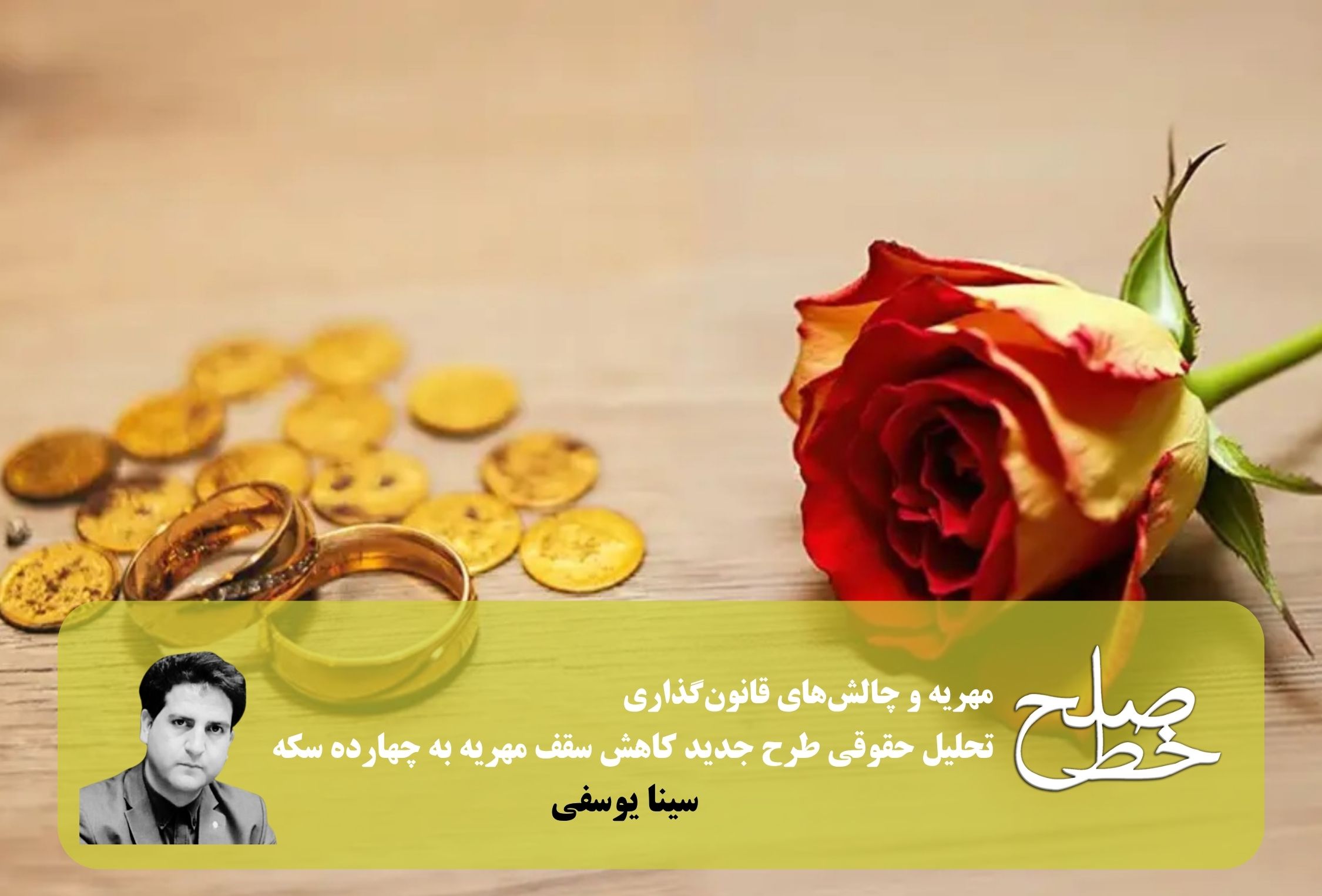
Legal Analysis of the New Proposal to Cap Dowry at Fourteen Gold Coins/ Sina Yousefi
In recent years, the issue of dowry-related imprisonment has become one of the significant challenges facing Iran’s legal and judicial system. On one hand, it concerns the rights and human dignity of men indebted for dowries; on the other hand, within the framework of Iran’s family law, dowry has become the only effective tool for […]...
Read More
Created By:
Sina Yousefi June 22, 2025
From Profiteers to Victims of Dowry: Law, Poverty, Culture, and Media/ Mahtab Alinezhad
What is a dowry? In Islamic culture and jurisprudence, a dowry is property that the husband commits to the wife at the time of concluding a marriage contract, which he must pay her upon her demand. This property can be cash, coins, gold, real estate, or even non-material items like Quranic education or arranging a […]...
Read More
Created By:
Mahtab Alinezhad June 22, 2025
The Necessity of Publicizing Arrests in the Islamic Republic/ Oveis Balouchi
In a land where the prison walls rise higher than the voice of truth, silence can be deadlier than torture. Every year, dozens of citizens in deprived regions—particularly in provinces like Sistan and Baluchestan, Khuzestan, Kurdistan, and others—are arrested on security-related charges without a single mention of their names in the media. These individuals, often […]...
Read More
Created By:
Oveis Balouchi June 22, 2025
