


Censorship
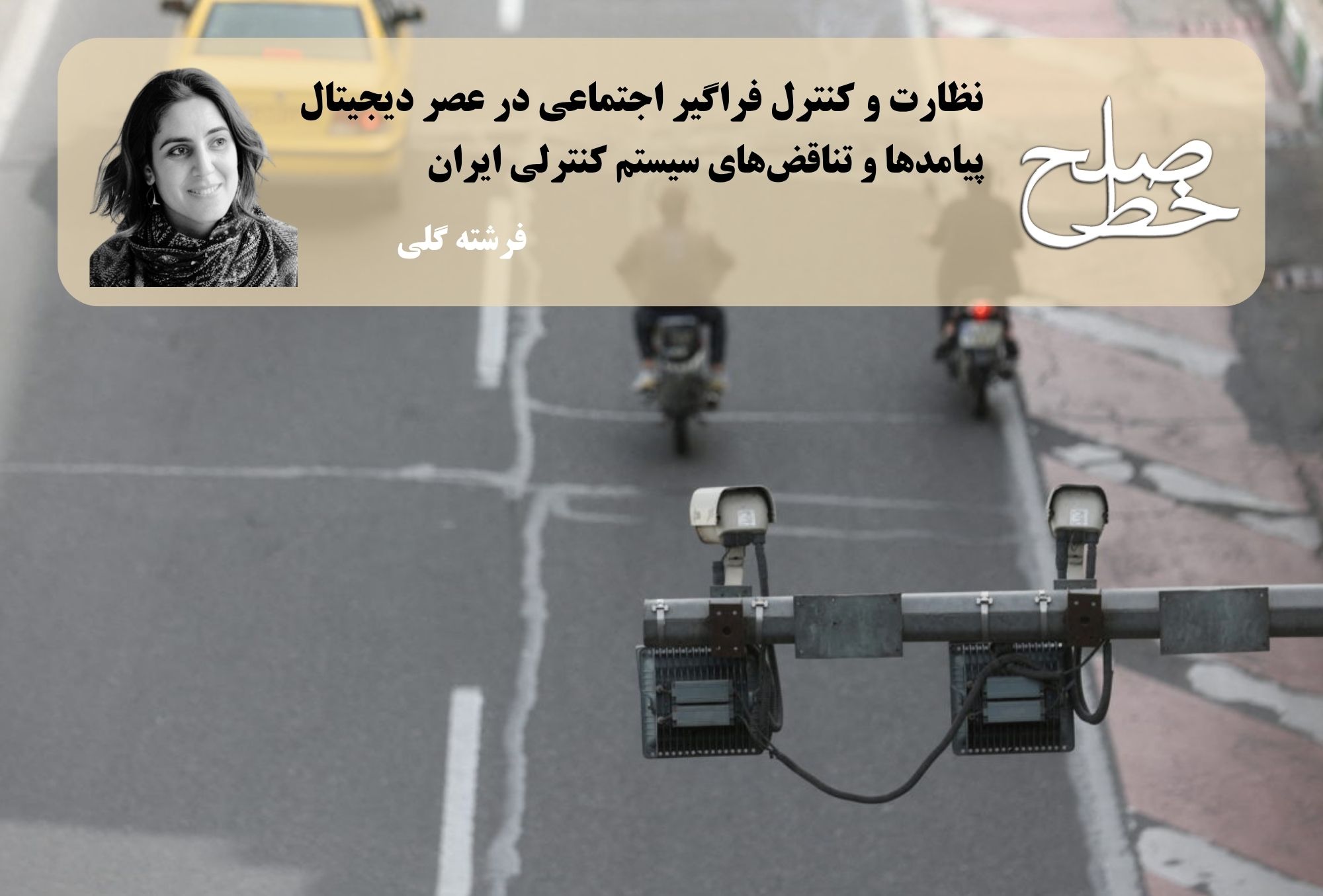
Pervasive Social Surveillance and Control in the Digital Age/ Fereshteh Goli
In recent years, the Islamic Republic has taken major steps in using new technologies for social surveillance and control. This trend, rooted in global developments and what the government regards as domestic needs, has been pursued at different speeds during different periods, but what has turned it into a prominent issue is the increasing acceleration […]...
Read More Created By:
Fereshteh Goli
Created By:
Fereshteh Goli August 23, 2026
Legal Examination of the Shift in Criminal Policy Toward Seizure and Confiscation of Property; Conversation with Hassan Asadi Zeydabadi/ Ali Kalaei
The tense developments and the war of the United States and Israel with Iran have brought about noticeable changes in the country’s domestic environment. These changes have not been limited merely to the security and political spheres, but their effects are also clearly observable in the legal and judicial arena. Reports have emerged of the […]...
Read More
Created By:
Ali Kalaei April 21, 2026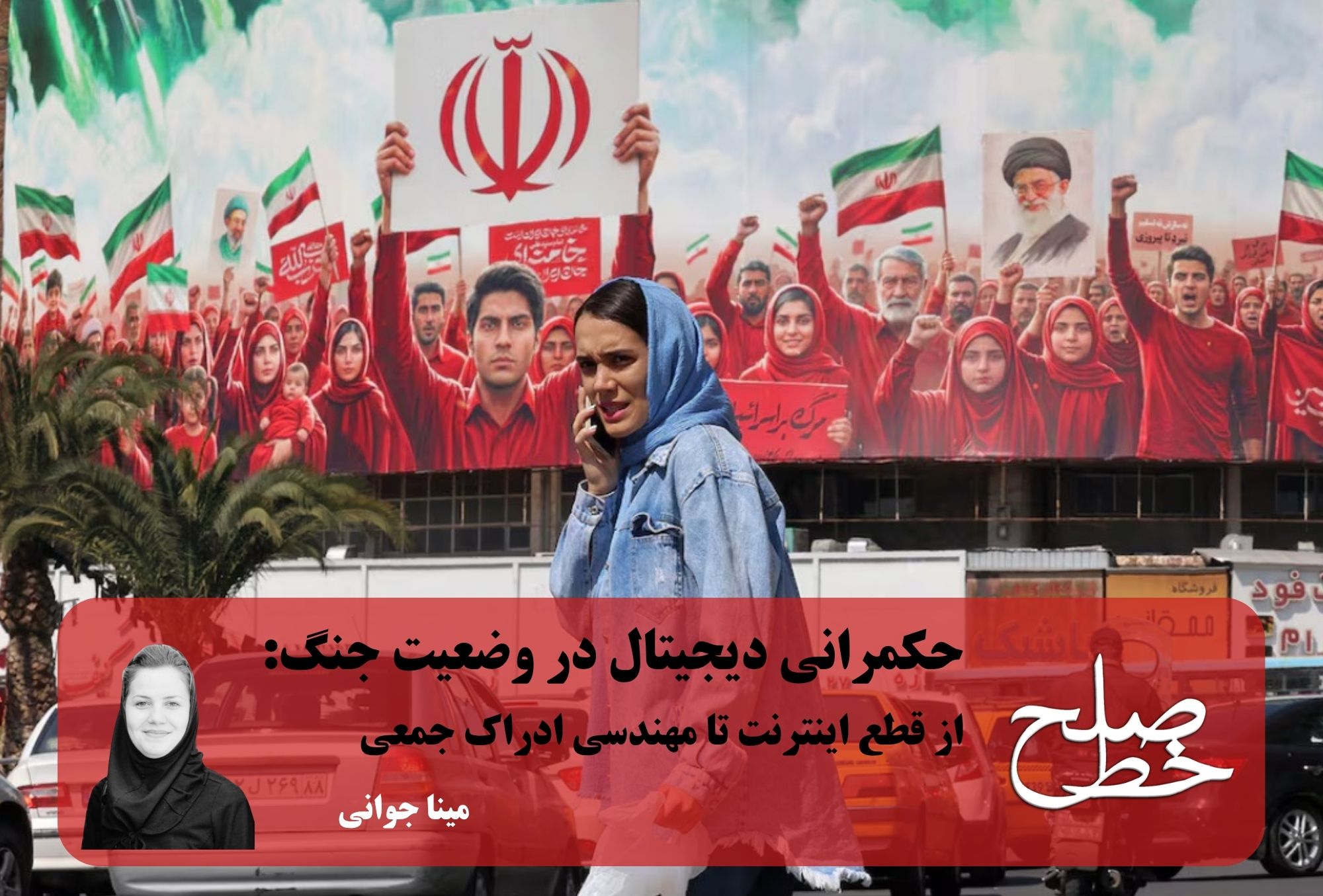
Digital Governance in a State of War: From Internet Shutdowns to the Engineering of Collective Perception/ Mina Javani
Sometimes, in the midst of war, what disappears is not only sounds and images, but access to reality itself. The internet, this seemingly obvious and always-available platform, suddenly goes dark in such moments and plunges society into a state of informational rupture; a condition in which the boundary between what is happening and what is […]...
Read More
Created By:
Mina Javani April 21, 2026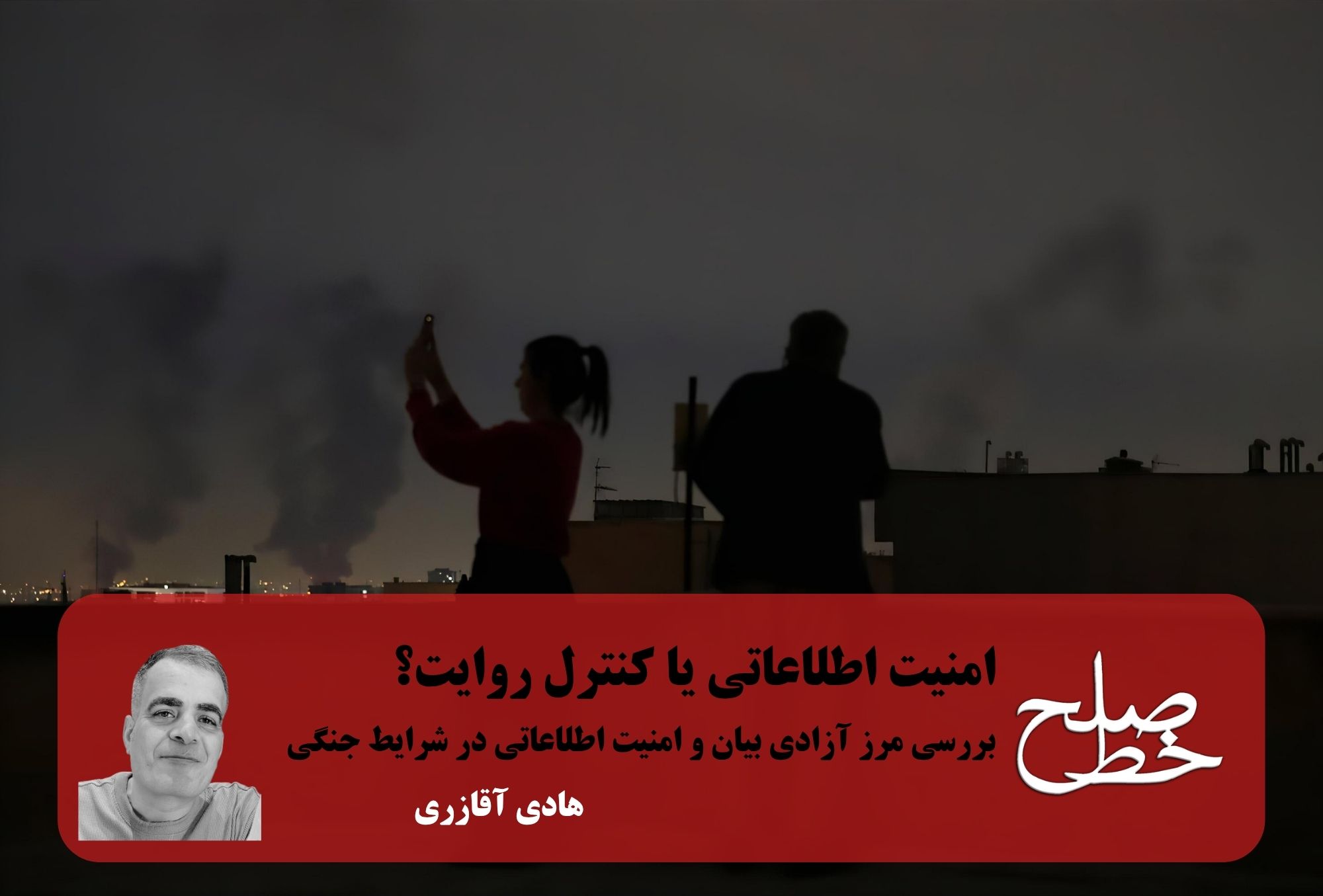
Information Security or Narrative Control?/ Hadi Aghazari
This article is being written at a time when more than one thousand hours have passed since the widespread internet shutdown in Iran, justified on the grounds of maintaining security. During this period, communication between Iranians inside and outside the country has been seriously disrupted, and access for those inside the country to the outside […]...
Read More
Created By:
Hadi Aghazari April 21, 2026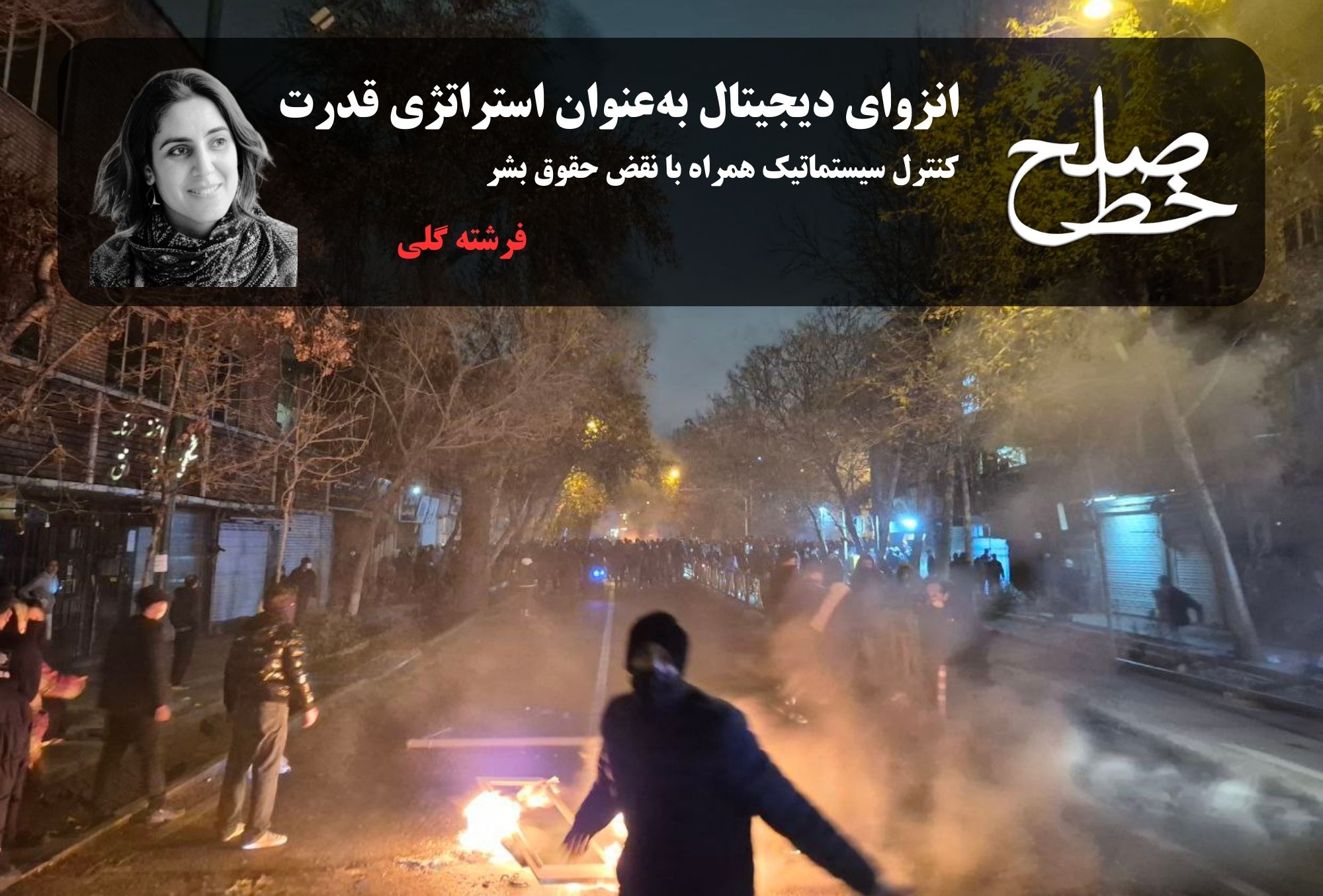
Digital Isolation as a Power Strategy/Fereshte Goli
…and suddenly, total darkness and a heavy silence of ignorance about what had happened on the streets of Iran. Everything was a sign of a disaster. All communication and information channels had been cut off. News was passed around, with a multitude of worrying and frightening speculations broadcast from satellite news networks. On January 18, […]...
Read More
Created By:
Fereshteh Goli February 20, 2026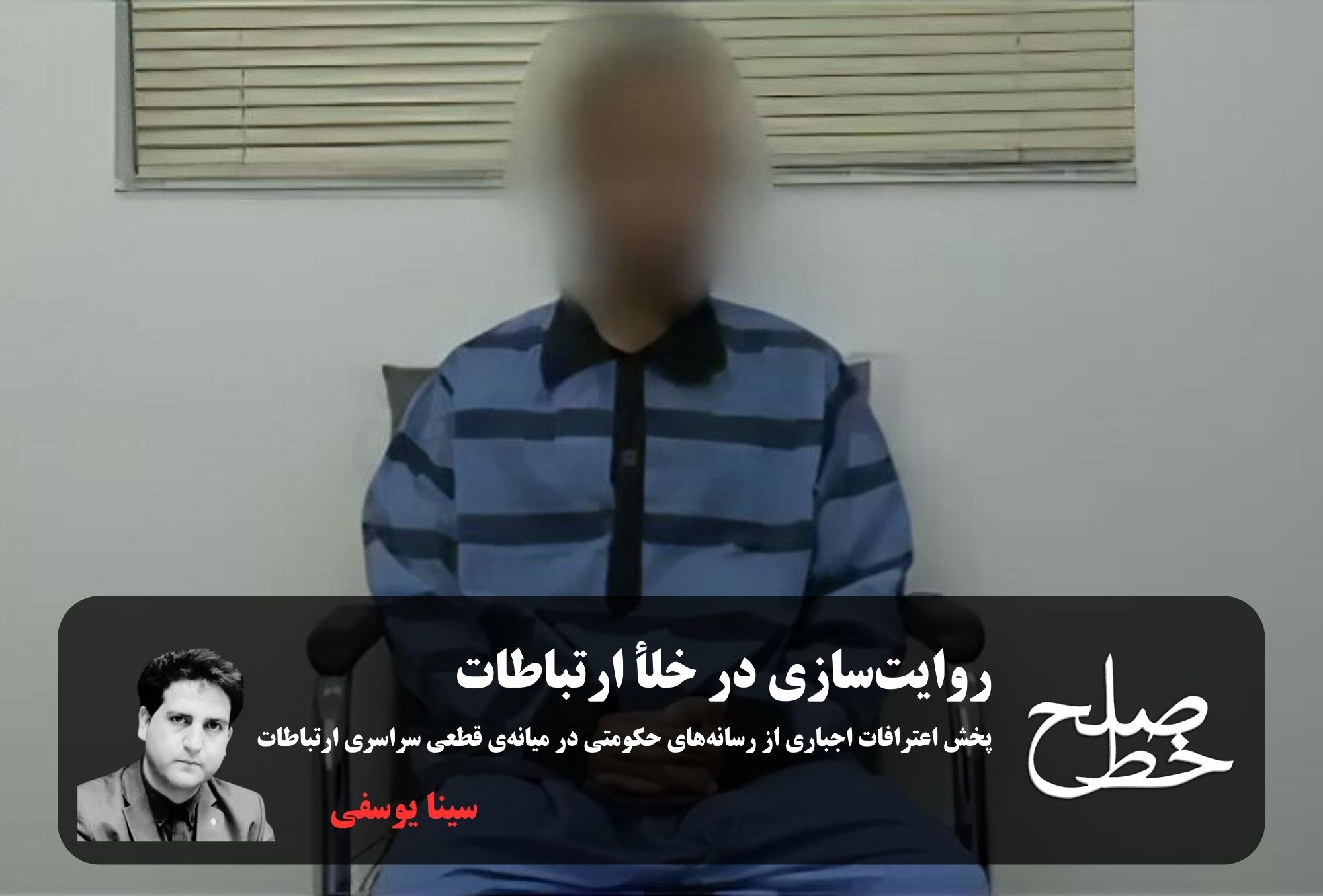
Narrative Creation in the Communication Void/Sina Yousefi
The recent protests in Iran, accompanied by widespread, violent and unprecedented repression, have once again exposed the established patterns of human rights violations by the government. Along with the killing of protesters, mass arrests and the imposition of severe security restrictions, the broadcast of forced confessions by state media has become a central tool for […]...
Read More
Created By:
Sina Yousefi February 20, 2026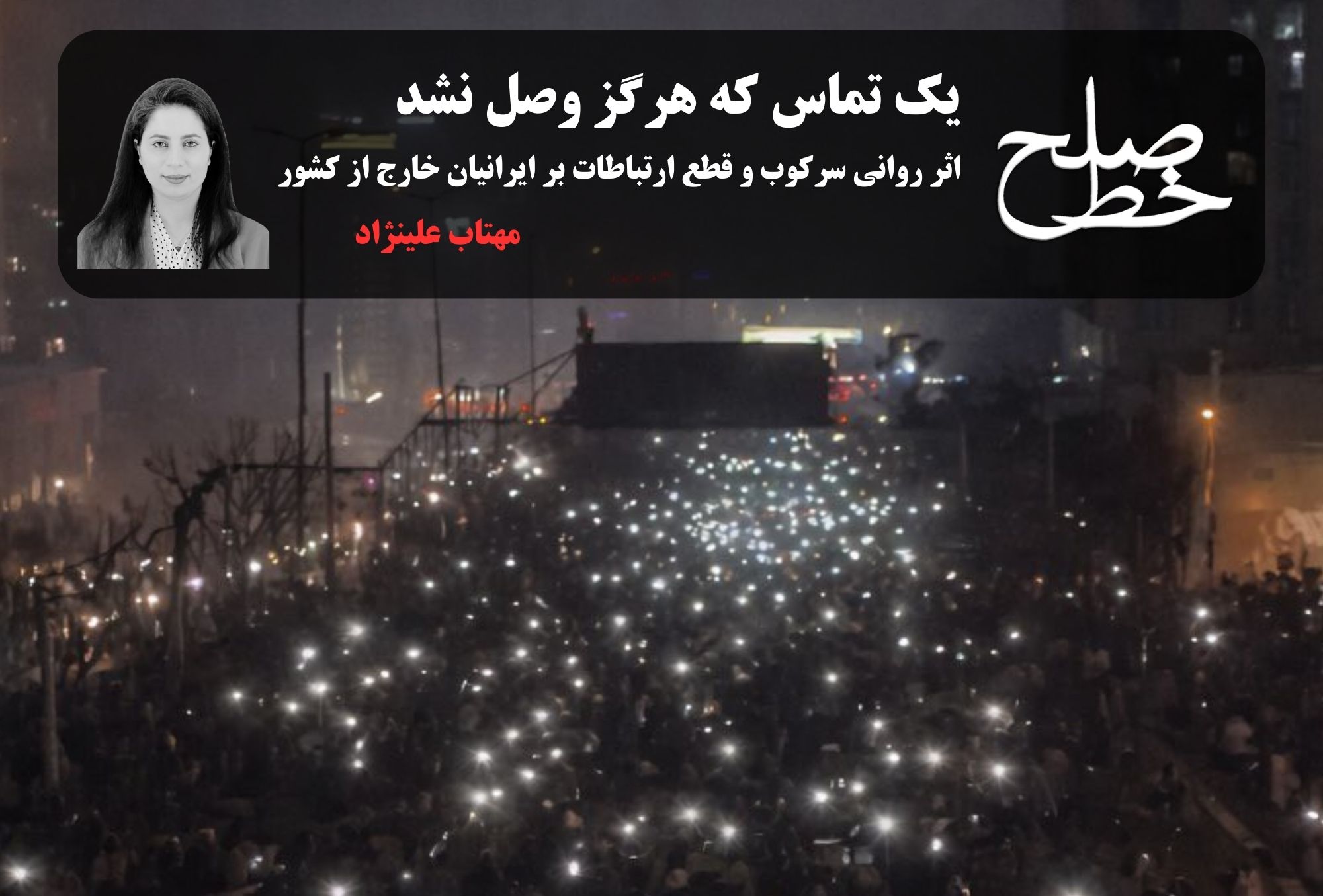
A call that never connected/ Mahtab Alinejad
It’s almost three in the morning. The cold light of a mobile phone illuminates the room, and the hands of a young girl in a European city restlessly glide across the screen. She dials her mother’s number for the umpteenth time. It beeps, then hangs up. Again. No messages are exchanged. The internet is down […]...
Read More
Created By:
Mahtab Alinezhad February 20, 2026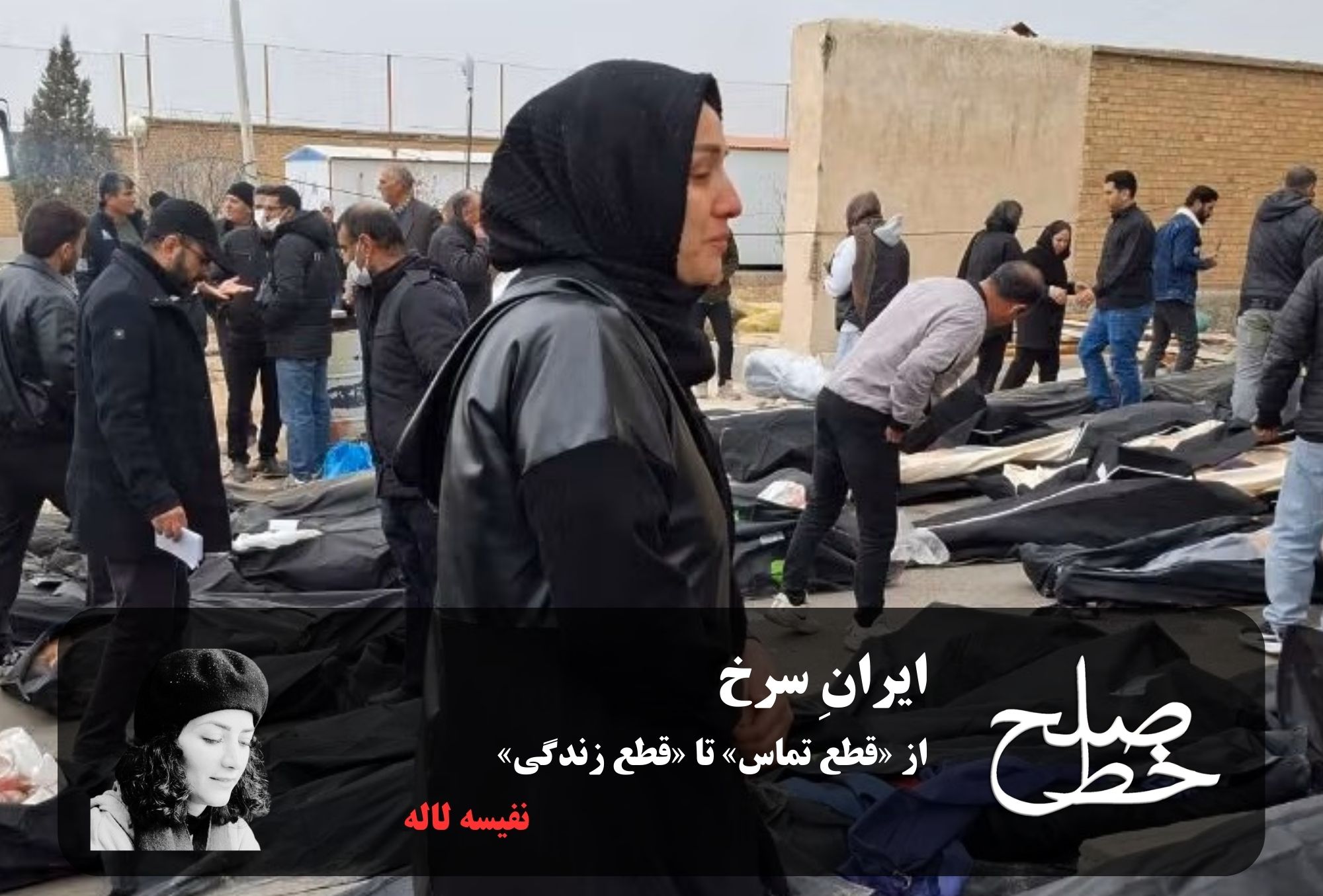
Red Iran; From “Disconnection of Contact” to “Disconnection of Life”/ Nafiseh Laleh
Tehran, evening of January 18, 1404, around 8:00 PM His excited voice echoes in the echo of the desperate voices of the street and my heart skips a beat. The call is cut off around the first minute and remains cut off for the following days and weeks; like ourselves, from life. We do not […]...
Read More
Created By:
Nafiseh Laleh February 20, 2026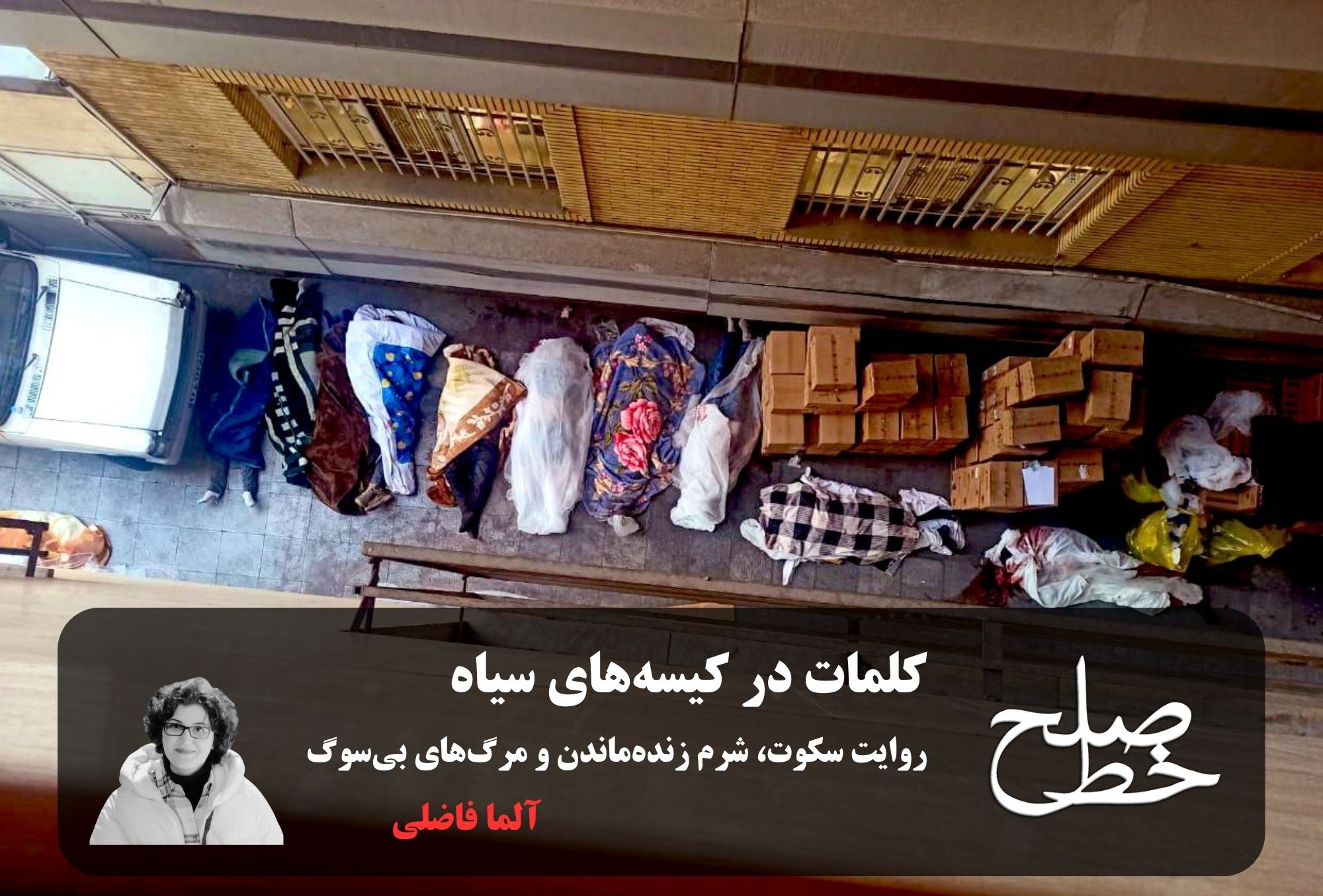
Words in Black Bags/Alma Fazeli
It has been more than sixteen years since the first image of Neda Agha Soltan’s last look was released, and about forty days since the first film of the pile of black bags for human corpses was released. Let me not go back any further, because to write about the experience of these days, I […]...
Read More
Created By:
Alma Fazeli February 20, 2026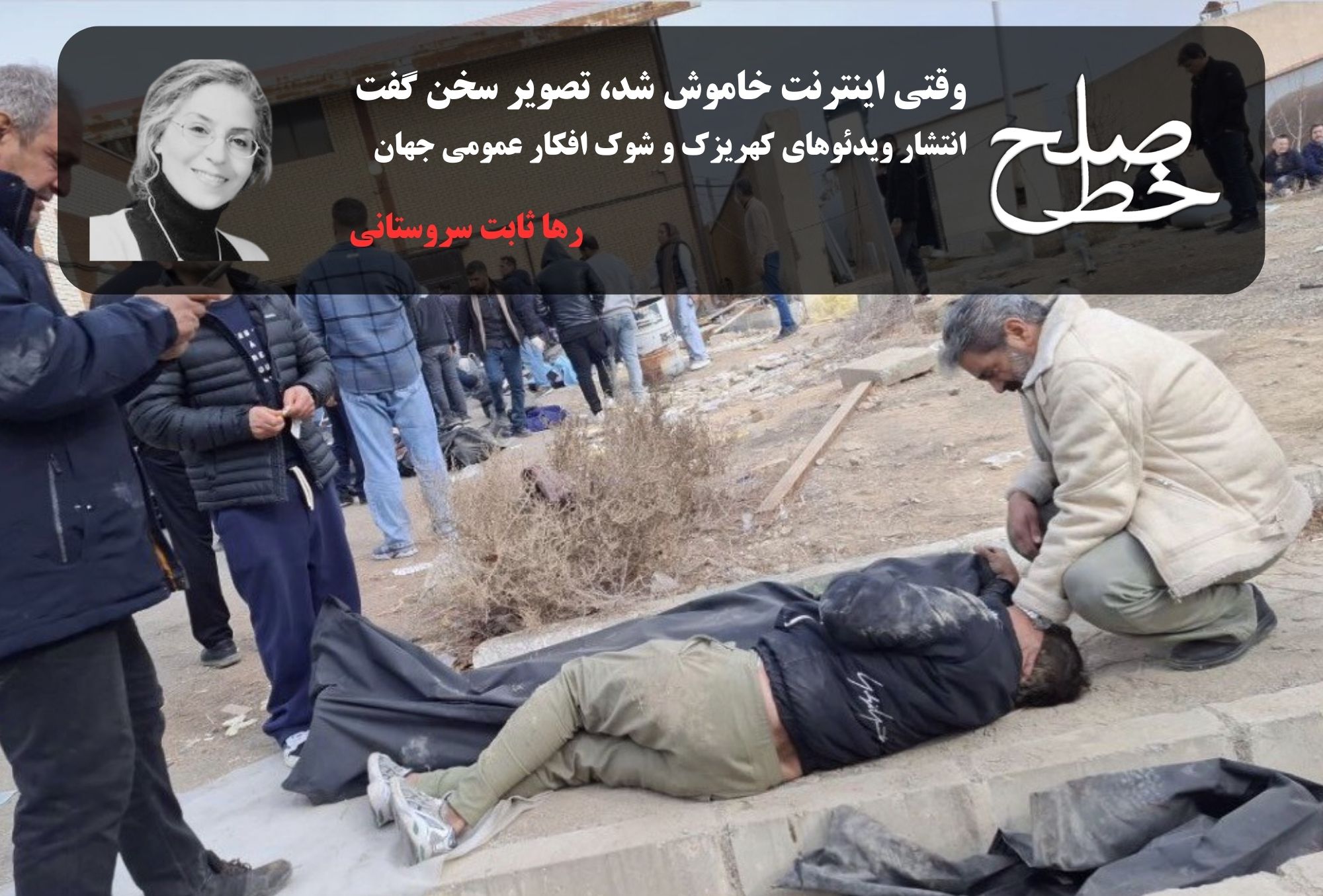
When the Internet Was Shut Down, the Image Spoke/ Raha Sabet Sarvestani
The release of videos related to the events of Kahrizak, at a time when the internet was widely shut down inside Iran, triggered a wave of shock and reaction among public opinion abroad—particularly among the Iranian diaspora, international observers, politicians, and human rights activists. This phenomenon cannot be regarded merely as a media event; rather, […]...
Read More
Created By:
Raha Sabet Sarvestani February 20, 2026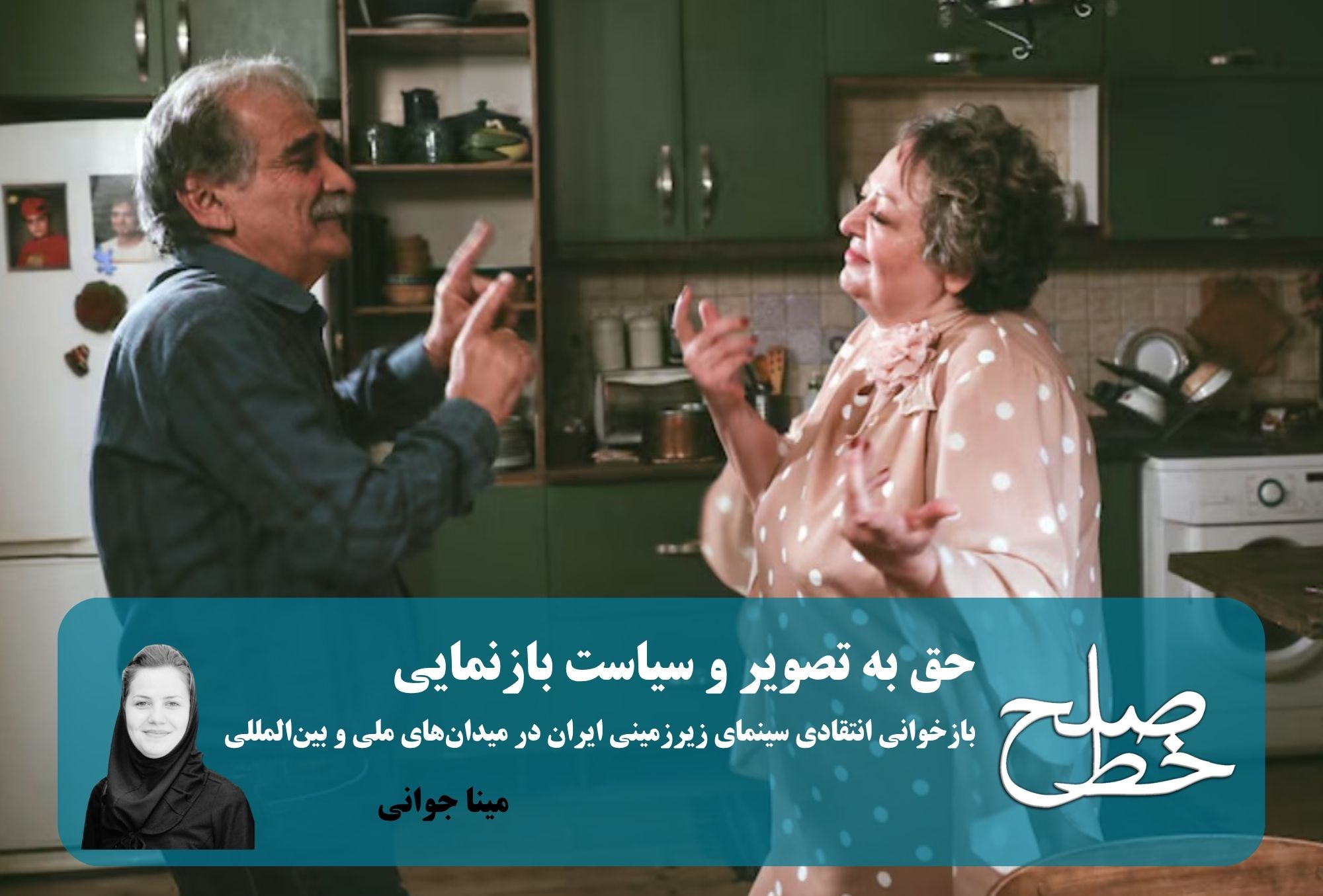
The Right to Image and the Politics of Representation/ Mina Javani
Iran’s underground cinema, as a semi-independent and often marginal sector of the country’s film production, has consistently navigated the intersection of legal restrictions, cultural pressures, and media representations. These films, produced outside the official mechanisms of Iranian cinema, not only provide a platform for expressing real social and ecological experiences, but also serve as vehicles […]...
Read More
Created By:
Mina Javani October 23, 2025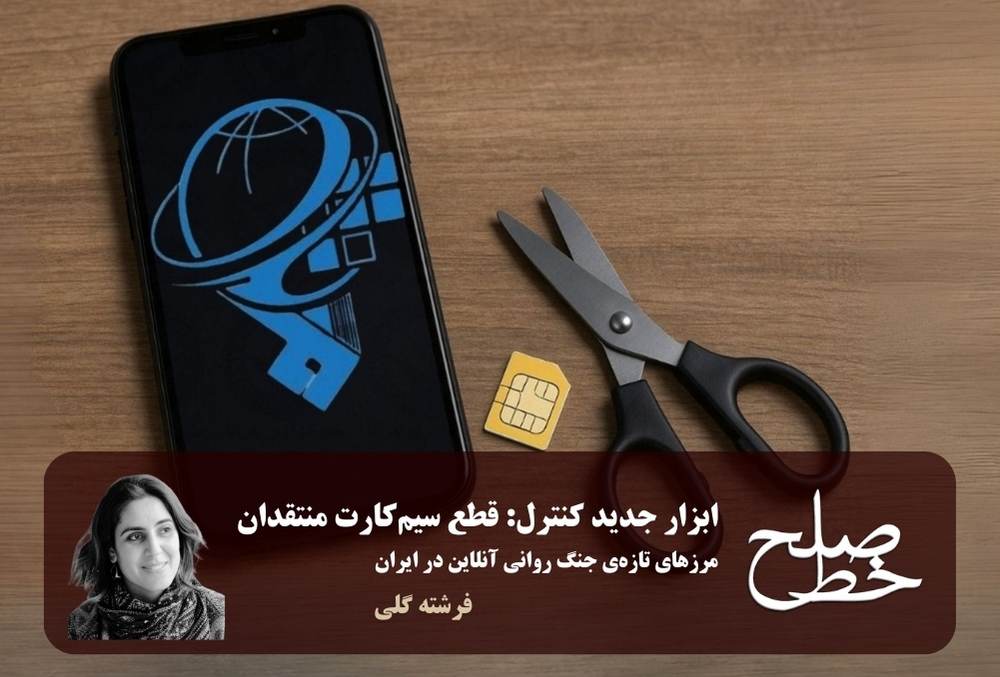
New Control Tool: Critics’ SIM Card Disconnect/ Fereshteh Goli
Nowadays, having a SIM card is one of the necessities of life in the digital and virtual world, and any deprivation of this right for anyone can be considered a tragedy. The International Telecommunication Union (ITU) has emphasized the importance of access to communication tools as a human right in several official documents, especially in […]...
Read More
Created By:
Fereshteh Goli August 23, 2025
