


فساد
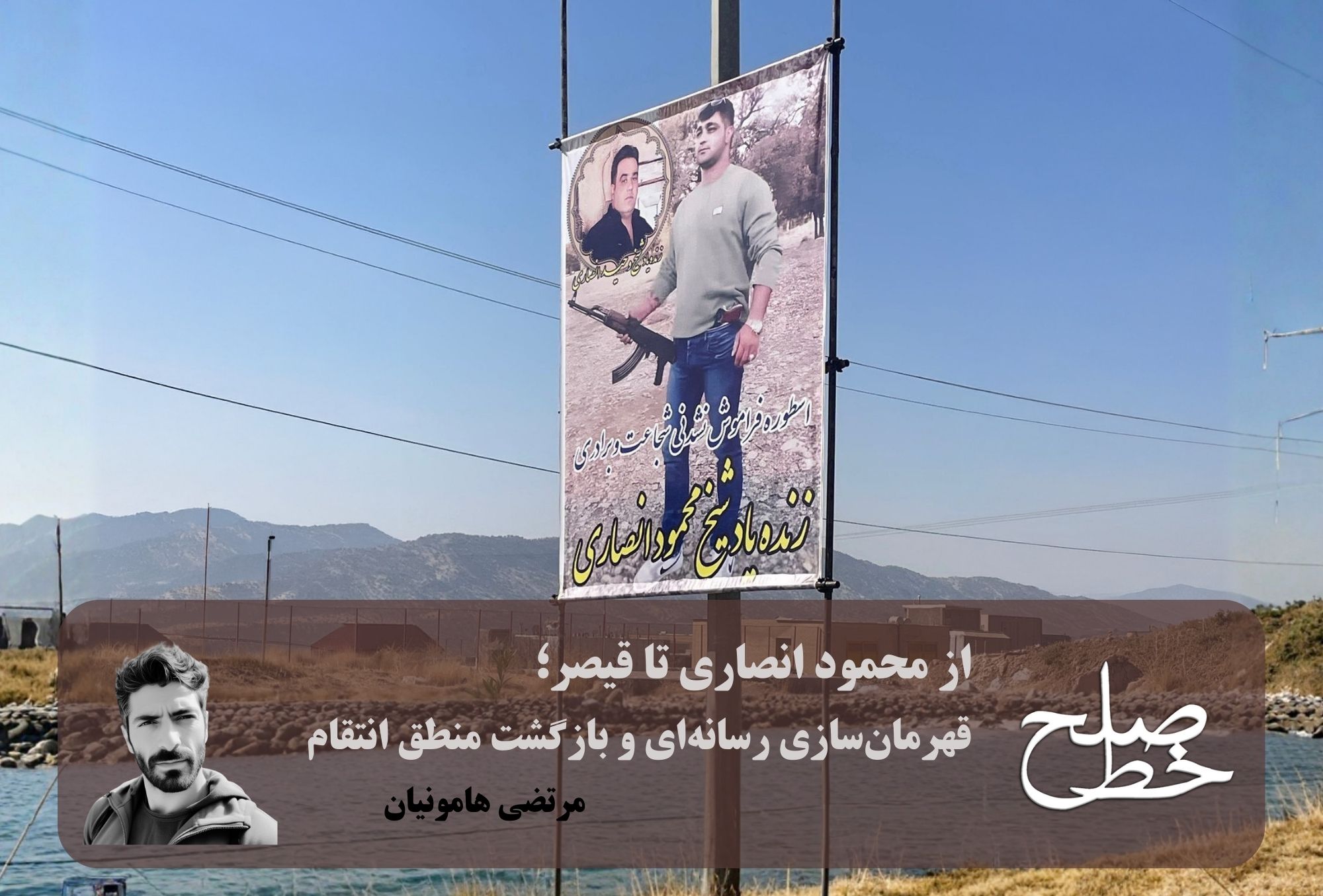
From Mahmoud Ansari to Qaisar; Media Heroism and the Return of the Logic of Revenge / Morteza Hamounian
In Yasuj, the capital of Kohgiluyeh and Boyer-Ahmad province, a doctor is murdered. The accused of the murder says that this doctor (Masoud Davoudi) is to blame for his brother’s death and that he committed medical negligence. So he takes action and kills the doctor. The accused of the murder is sentenced to self-retribution by […]...
Read More Created By:
Morteza Hamounian
Created By:
Morteza Hamounian December 22, 2025
The Child Left Between Rape and Revenge/Fereshteh Goli
Lost in the chaos of Iranian news, a story with catastrophic depth was the story of an old man raping a boy in Tabriz, which led to personal revenge by the boy’s family, who sent the old man to the hospital and into surgery; revenge whose instrument was a wooden sofa leg. In this note, […]...
Read More
Created By:
Fereshteh Goli December 22, 2025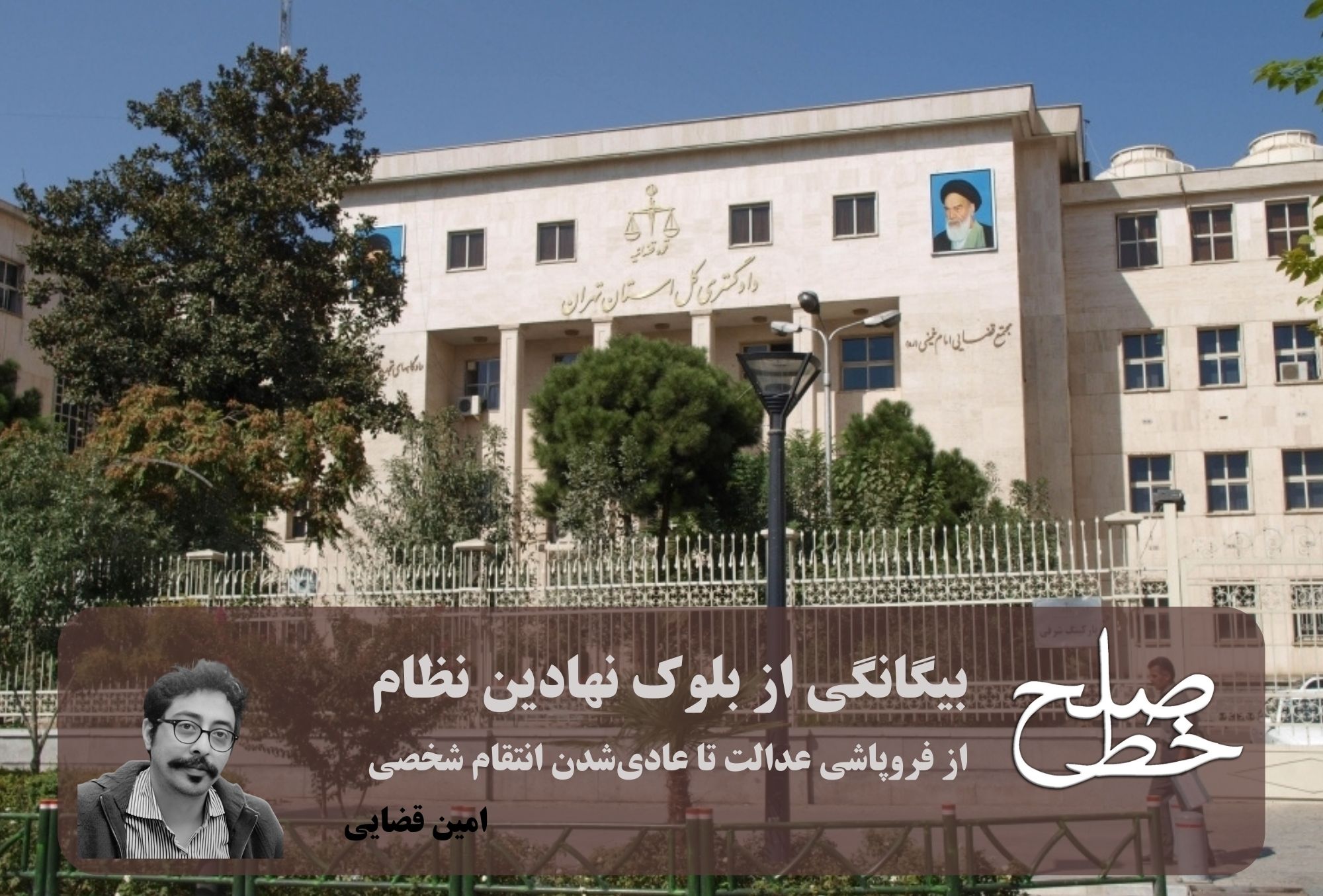
Alienation from the institutional bloc of the system/Judicial trustee
Administrative corruption is usually defined as the abuse of power and authority for personal gain. In the case of the judiciary, clients who witness such corruption distrust law enforcement institutions (police and judiciary) and may, as a result, engage in personal vigilantism in response to attacks on their lives and property. Simply put, when people […]...
Read More
Created By:
Amin Ghazaie December 22, 2025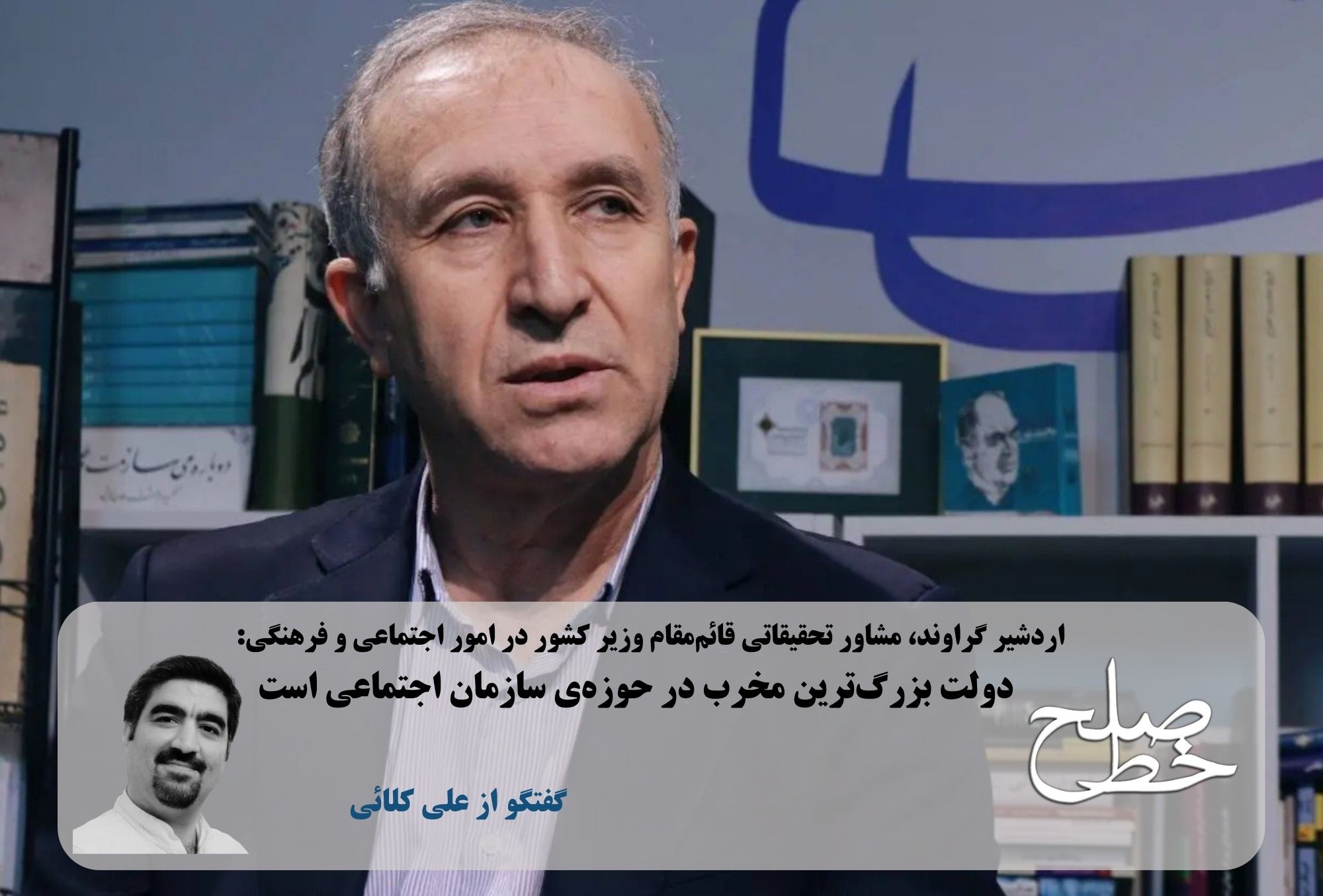
Ardeshir Garavand: The government is the greatest destroyer in the field of social organization/Ali Kalai
In Iran today, inequality is no longer limited to the gap in income or lifestyle, but rather this inequality and class differences have taken on new dimensions and found new practices. The question is: how have these gaps formed and in what direction are they taking Iranian society? Are we still faced with traditional patterns […]...
Read More
Created By:
Ali Kalaei November 22, 2025
Deepening Class Divides Through Inequality in Affordability and Access/ Amin Ghazaei
The deepening of class divisions is structurally rooted in the cycle of production within the capitalist system. Since the minimum wage of the working class is always determined by the minimum required to reproduce labor power, while on the other hand, the wealth of capitalists accumulates through cycles of investment and production, class disparity continuously […]...
Read More
Created By:
Amin Ghazaie November 22, 2025
The Squandering of a Milestone: When Preconditions for Democracy Are Not Enough/ Majid Shieh-Ali
Many political researchers who study political transformations, comparative political systems, and topics such as revolutions, democratization, and similar subjects tend to have a relative theoretical consensus regarding the types of revolutions that can lead to democracy. They consider elements such as global political developments in different periods, the level of industrialization and development in society, […]...
Read More
Created By:
Majid Shia’ali November 22, 2025
On the Necessity of Historical Vigilance Against the Destructive Wave of Nouveau Riche Culture/ Marziyeh Mohebbbi
They do not know what to do with their windfall fortunes, nor how to convince their peers, friends, acquaintances, and the general public that they have swiftly ascended the ladders of prosperity, civilization, and wealth—so rapidly, in fact, that they now count themselves among the legendary elite and aristocracy. Sometimes, they showcase their financial power […]...
Read More
Created By:
Marziye Mohebbi November 22, 2025
Serious Economy/ Ahmad Alavi
Ramali and falgiri, as part of the informal economy, have deep roots in many developing societies, including Iran. This phenomenon, which thrives in a context of economic, social, and cultural crises, not only leads to the withdrawal of capital – both financial, human, and social – from the productive and formal economic cycle, but also […]...
Read More
Created By:
Ahmad Alavi March 21, 2025
The Supreme Council of Cyberspace Acting Against National Security An Interview with Alireza Bozorgmehri/ Pedram Tahsini
Alireza Bozorgmehri, a former member of the Digital Economy Working Group at the Ministry of Economy, spoke with Peace Mark Monthly Magazine about the filtering environment in Iran and the obstacles to its removal. According to Bozorgmehri, until the composition of the Supreme Council of Cyberspace changes, there is little hope for the acceleration of […]...
Read More
Created By:
Padram Tahsini January 20, 2025
Will Telegram and X Be Unblocked? An Interview with Keyvan Noghrehkar/ Ali Kalaei
The issue of filtering and removing restrictions on various internet platforms has been a highly debated topic in Iran over the past few years. While the Minister of Communications has stated that lifting the ban on all platforms is on the government’s agenda—and recently, WhatsApp and Google Play were unblocked—public opinion and observers are left […]...
Read More
Created By:
Ali Kalaei January 20, 2025
An Interview with Citizens on the Daily Impacts of Internet Filtering/ Dina Ghalibaf
Internet filtering in Iran has become one of the most complex and serious social and economic issues. This policy has not only affected citizens’ daily lives but also challenged public perceptions of trust and transparency in governance. In this report, we visited Enghelab Street, one of the busiest areas in Tehran, to speak with various […]...
Read More
Created By:
Dina Ghalibaf January 20, 2025
The Lights of the “Economy” Are Out/ Omid Aghdami
Power outages: both a cause and a consequence of crises Let’s begin the story of power outages with Syria. For those who have not followed developments there, the recent events might seem unexpected. However, anyone who has monitored Syria’s situation since the internal conflicts would inevitably ask: Why haven’t the Syrian people brought this to […]...
Read More
Created By:
Omid Aghdami December 21, 2024
