


Filtering
From the Filtering of Telegram to “Pro Internet” / Amir Aghaei
The Islamic Republic is breaking many negative records in the field of digital repression. Iranians, during perhaps one of the most turbulent periods in their history — from the start of the 12-day war to the Dey protests and after that the 40-day war, which it is still not clear has completely ended or not […]...
Read more By:
Amir Aghayi
 May 22, 2026
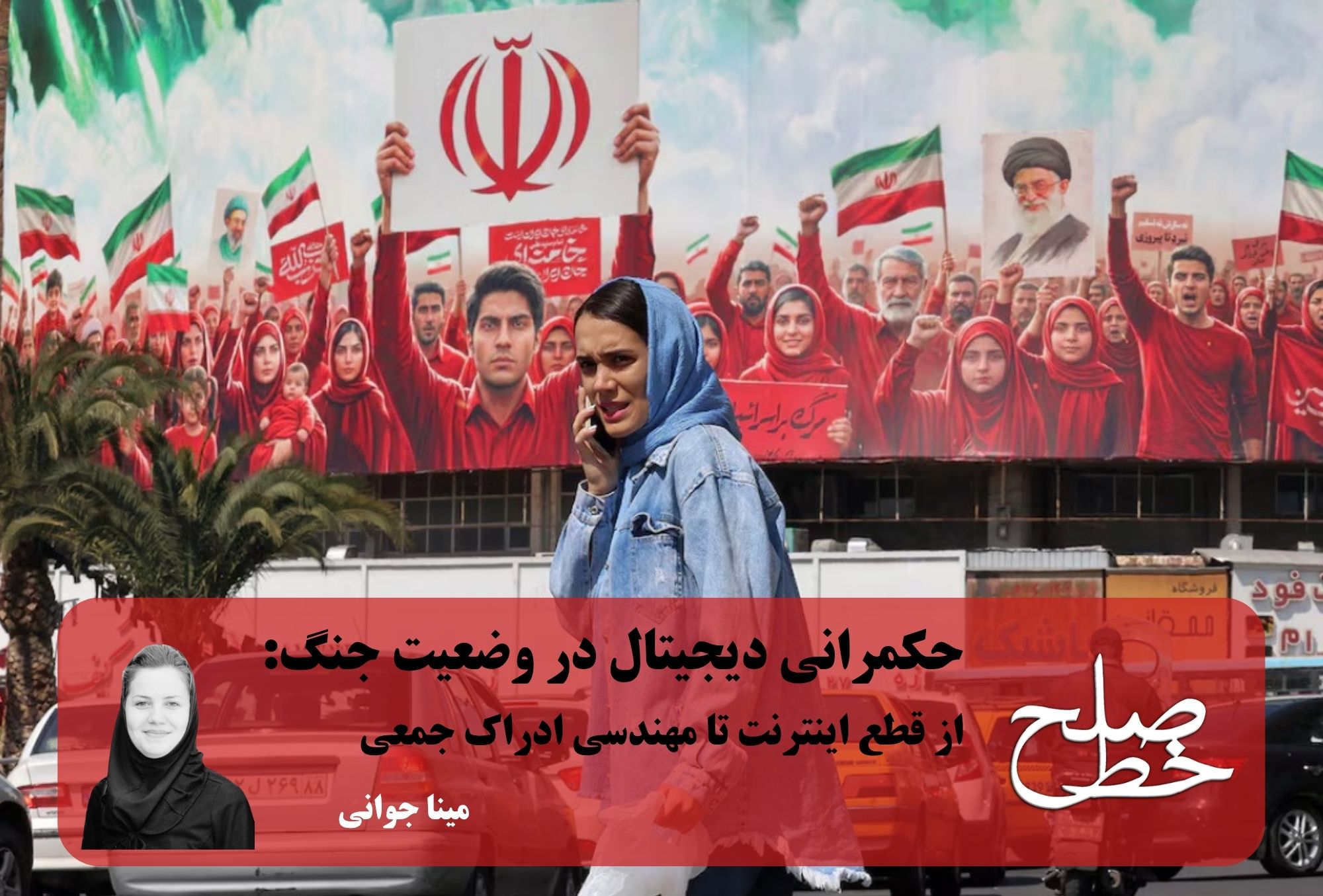
Digital Governance in a State of War: From Internet Shutdowns to the Engineering of Collective Perception/ Mina Javani
Sometimes, in the midst of war, what disappears is not only sounds and images, but access to reality itself. The internet, this seemingly obvious and always-available platform, suddenly goes dark in such moments and plunges society into a state of informational rupture; a condition in which the boundary between what is happening and what is […]...
Read more
By:
Mina Javani April 21, 2026
Iran in a State of Information Blockade / Maryam Shirin Sokhan
These days, Iran is undergoing an unprecedented experience: weeks of widespread internet shutdowns, severe restrictions on media, and the concentration of narratives within a single official channel. For more than two months, access to the internet in Iran has been completely cut off. Although limited access has recently been granted to certain individuals and professional […]...
Read more
By:
Maryam Shirin Sokhan April 21, 2026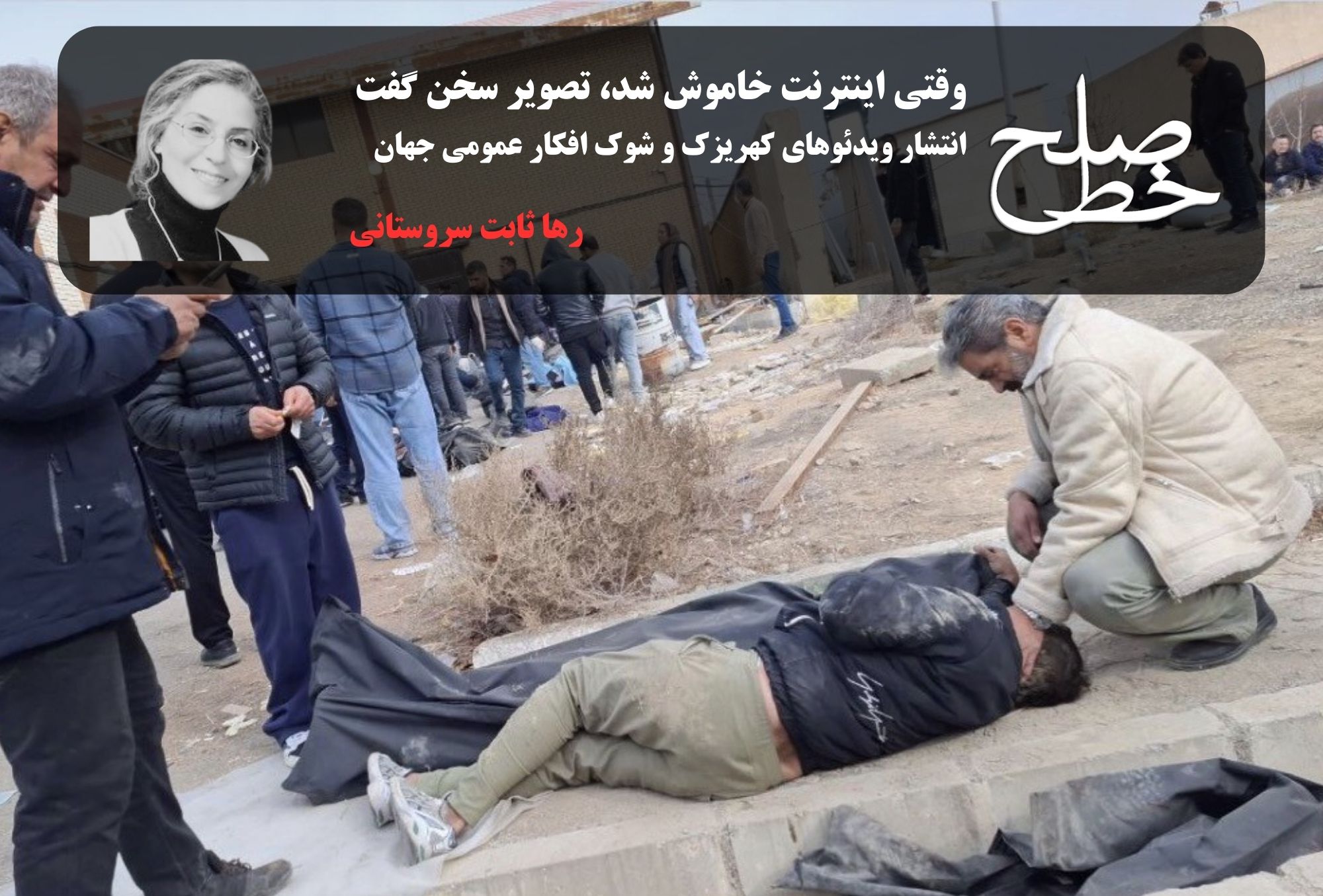
When the Internet Was Shut Down, the Image Spoke/ Raha Sabet Sarvestani
The release of videos related to the events of Kahrizak, at a time when the internet was widely shut down inside Iran, triggered a wave of shock and reaction among public opinion abroad—particularly among the Iranian diaspora, international observers, politicians, and human rights activists. This phenomenon cannot be regarded merely as a media event; rather, […]...
Read more
By:
Raha Sabet Sarvestani February 20, 2026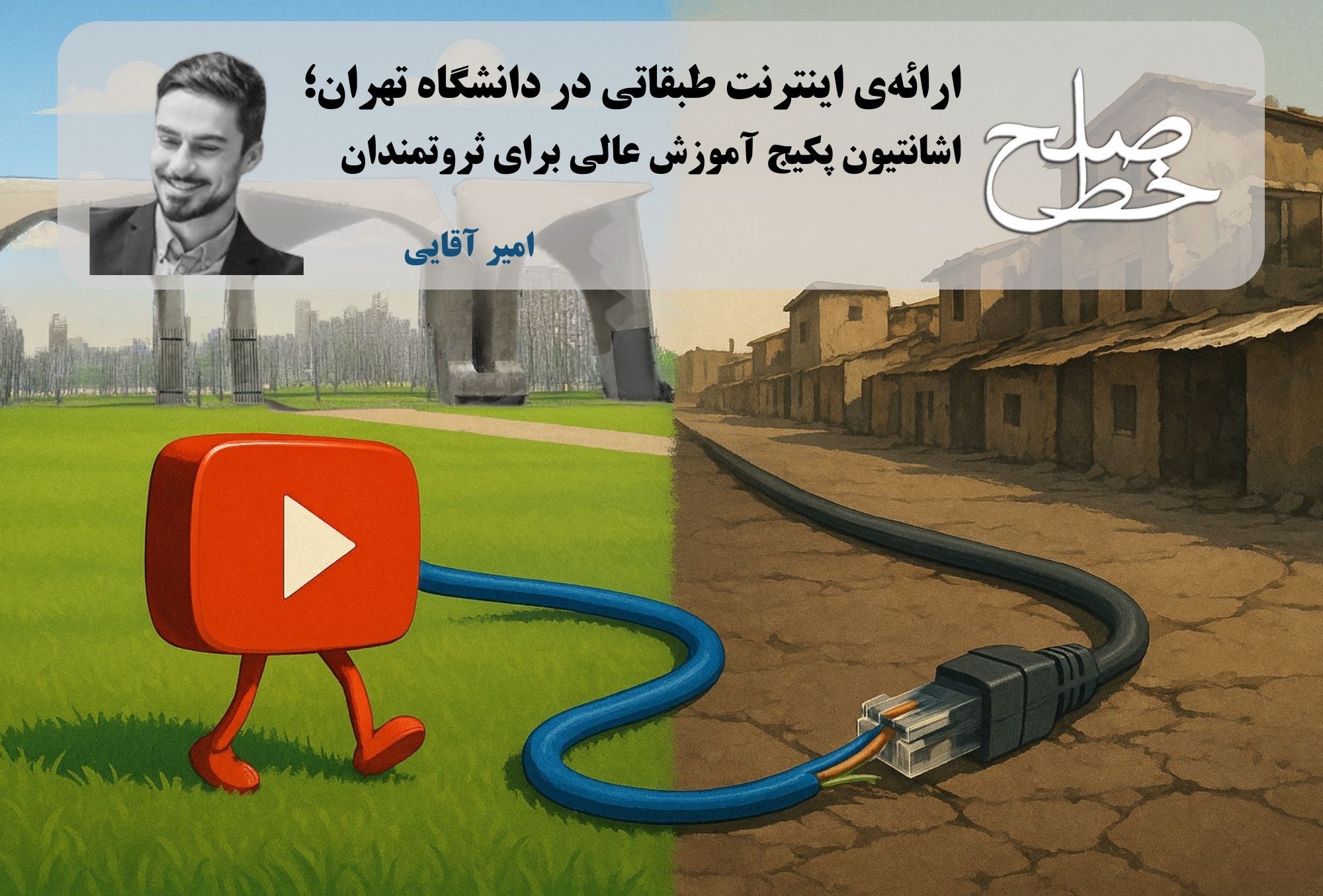
The Rollout of Tiered Internet Access at the University of Tehran/ Amir Aghaei
If you flip through any glossary of specialized terminology, you won’t find the term “class-based internet” or a precise definition of it. However, by implementing this project over the past 20 years, the rulers of the Islamic Republic have compelled Iranian internet users to adopt a term to describe it. Class-based internet refers to the […]...
Read more
By:
Amir Aghayi November 22, 2025
The right to access the internet is suspended/ Mohammad Hadi Jafarpour
A few days before the start of the twelve-day war, the issue of internet classification caused some political and civil activists to criticize the decision, referring to the president’s promise to remove filtering. Such restrictions on citizens’ rights are being imposed while in the country’s political-judicial structure, various rules and laws have been formulated and […]...
Read more
By:
Mohammad Hadi Jafarpour August 23, 2025
When the Twelve-Day War Reached the Internet/ Fereshteh Goli
In today’s world, the internet has a clear meaning: a tool for fast, direct, and uncensored communication among people, with access to firsthand news and information—even if that information is sometimes incorrect or misleading. In any case, the right to access the internet is recognized in international law as part of fundamental human rights and […]...
Read more
By:
Fereshteh Goli July 23, 2025
Will Telegram and X Be Unblocked? An Interview with Keyvan Noghrehkar/ Ali Kalaei
The issue of filtering and removing restrictions on various internet platforms has been a highly debated topic in Iran over the past few years. While the Minister of Communications has stated that lifting the ban on all platforms is on the government’s agenda—and recently, WhatsApp and Google Play were unblocked—public opinion and observers are left […]...
Read more
By:
Ali Kalaei January 20, 2025
An Interview with Citizens on the Daily Impacts of Internet Filtering/ Dina Ghalibaf
Internet filtering in Iran has become one of the most complex and serious social and economic issues. This policy has not only affected citizens’ daily lives but also challenged public perceptions of trust and transparency in governance. In this report, we visited Enghelab Street, one of the busiest areas in Tehran, to speak with various […]...
Read more
By:
Dina Ghalibaf January 20, 2025
From Financial Gains to Security Policies: Filtering and the VPN Sales Mafia in Iran/ Seyed Mohammad Sohofi
Unofficial reports suggest that the financial turnover from VPN sales in Iran is remarkably high due to the widespread use of these tools and the lack of transparency in this market. With the sharp rise in demand for VPNs following the widespread filtering of social media platforms such as Instagram, WhatsApp, X (formerly Twitter), Telegram, […]...
Read more
By:
Seyed Mohammad Sohofi January 20, 2025
The Mafia of Filtering or VPNs: Which Side Does the Government Listen to in Its Fight Against a Free Internet?/ Amir Aghaei
Radical members of parliament, the spokesperson for the Pezeshkian administration, Mahmoud Ahmadinejad, members of the Supreme Council of Cyberspace, Mohammad Javad Azari Jahromi, and many other names—while differing significantly in their political approaches and perspectives on managing the internet in Iran, they all share one thing in common: beating the drum of the VPN mafia. […]...
Read more
By:
Amir Aghayi January 20, 2025
Stress and Psychological Impacts of Communication Restrictions on Users/ Alireza Goodarzi
To have a simple voice or video call with friends living outside Iran, I sometimes have to open and close several apps before one finally connects us for a few minutes. They can’t access domestic platforms, and we can’t use most international apps. I have to try multiple VPNs to find one that works. One […]...
Read more
By:
Alireza Goodarzi January 20, 2025
